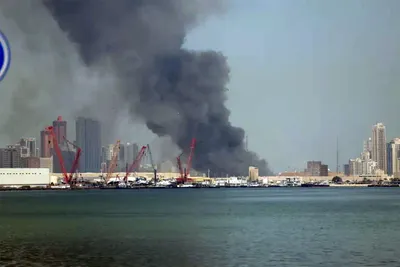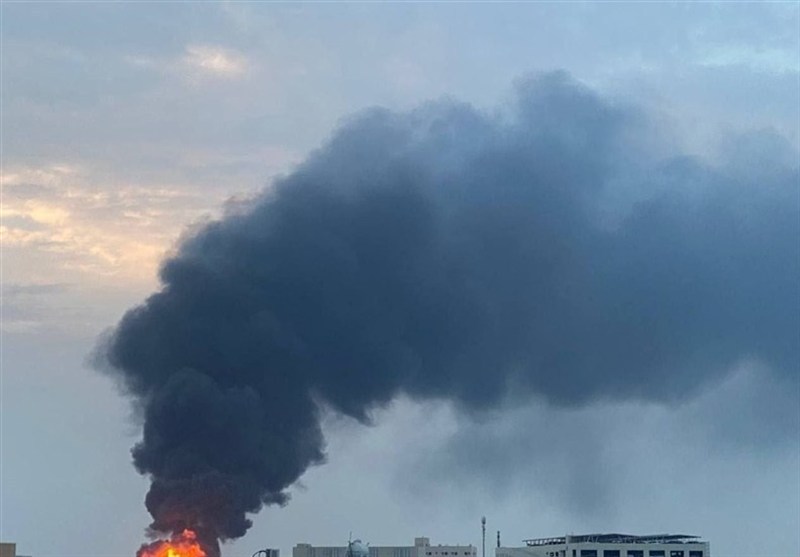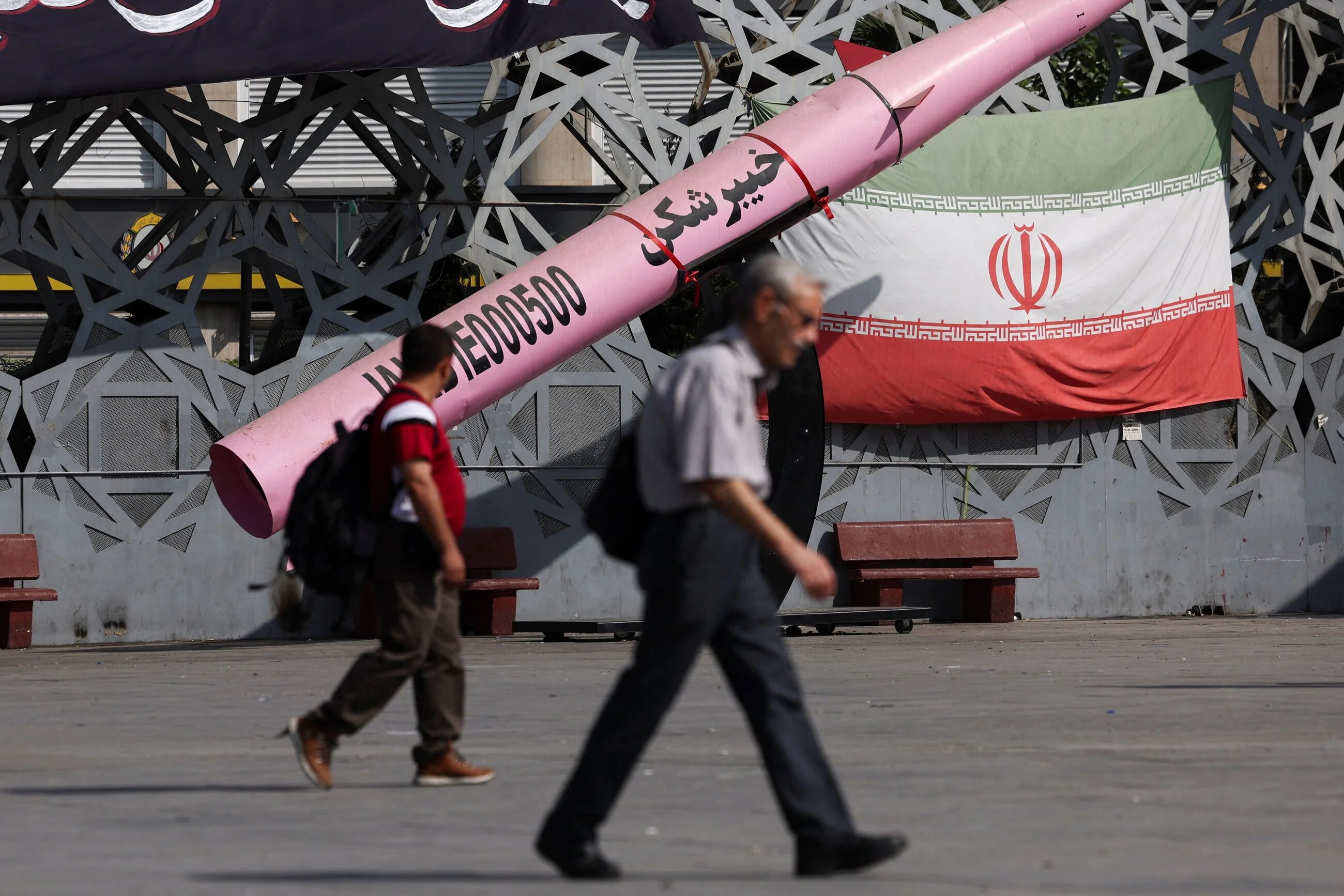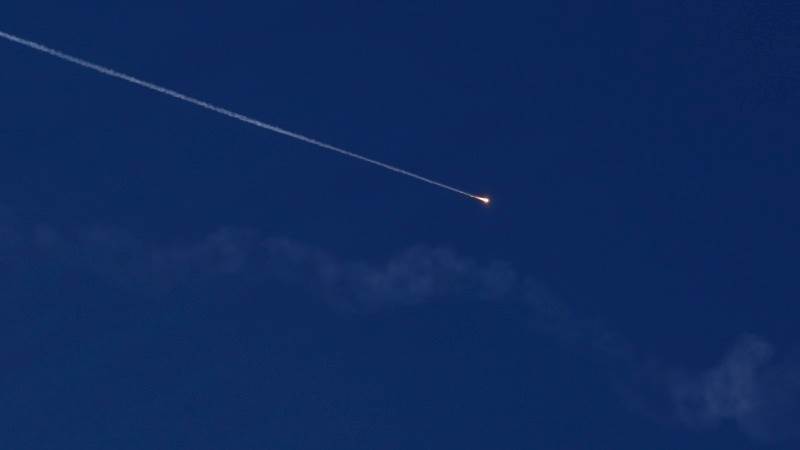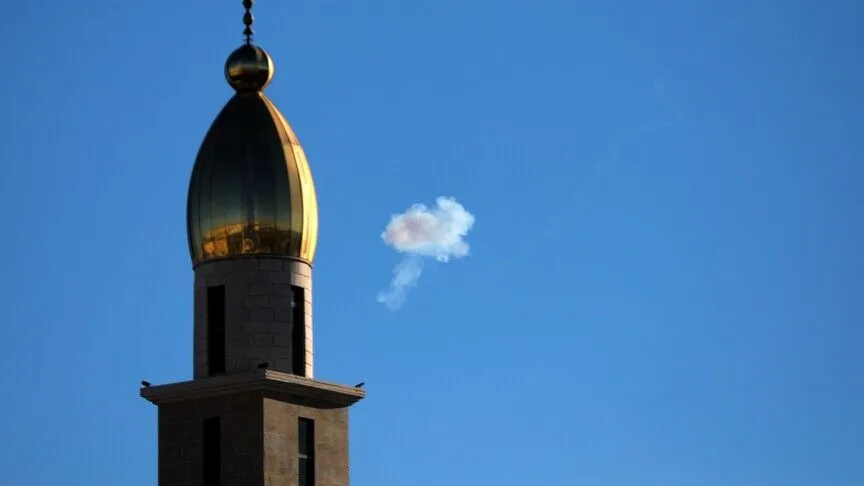
Air raid sirens were activated across Bahrain early Monday as Iran announced it had struck targets within the Gulf country. The sirens, heard by residents throughout the Kingdom of Bahrain, coincided with reports of Iranian military action. Iran later confirmed its forces had conducted strikes aimed at specific locations in Bahrain, though details regarding the nature of these targets were not immediately provided. The incident marks a significant development in regional tensions, drawing attention to the broader security landscape in the Gulf. This activation of air raid sirens across Bahrain early Monday prompted immediate concern among the populace.
Iran Claims Gulf Strikes
Iran announced on Sunday it had launched attacks against US military sites located in Kuwait, Bahrain, Qatar, Jordan, and Oman. The move was described by Tehran as retaliation for earlier US attacks on Iranian targets. This declaration by Iran detailed a coordinated series of strikes against various American military installations across the Gulf region. The Iranian government explicitly stated that these actions were a direct response to preceding US military operations targeting Iranian assets. The targeting of multiple countries shows the widespread nature of the current escalation.
Following these developments, US Central Command (CENTCOM) confirmed it had completed a new series of offensive strikes against Iran. CENTCOM stated that the operation successfully struck "dozens of targets at multiple locations with precision munitions." These strikes by US forces were part of an ongoing response to regional aggressions. CENTCOM further elaborated that these latest strikes were intended to further degrade Iran’s capability to attack civilian mariners and commercial vessels transiting the Strait of Hormuz. The precision of these munitions aimed to minimize collateral damage while maximizing the impact on Iran's operational capacity.
Regional Impact and Reactions
Bahrain's Interior Ministry activated a nationwide alarm, urging residents to take shelter amid the unfolding situation. The Ministry issued a directive stating, "The alarm siren has been activated. We urge citizens and residents to remain calm, head to the nearest safe location, and follow updates through official channels." The activation of the alarm system coincided with reports of Iranian strikes in the region, signaling a heightened state of alert across the Kingdom. This full alert system was put into effect across the entire nation, emphasizing the seriousness of the perceived threat. Residents were specifically instructed to seek immediate shelter and to rely solely on official government channels for further information and guidance.
Separately, several flight-tracking services and reports circulating on social media indicated that Jordan suspended flights. This suspension followed missile attacks, although specific details regarding the nature or source of these attacks were not immediately available. The halt in air traffic in Jordan suggests broader regional implications of the ongoing strikes, affecting air travel and potentially other critical infrastructure across the Middle East. The disruption to aerial operations in Jordan notes the broad consequences of the escalating military actions.
Context of Escalation
The US Central Command (CENTCOM) described its latest strikes as intended to degrade Iran's capability to target civilian mariners and commercial vessels navigating the Strait of Hormuz. This articulation from CENTCOM specifies the strategic objective behind their military actions. The Strait of Hormuz is a critical maritime choke point for global oil shipments. CENTCOM's statement directly links their operations to the protection of international shipping in this vital waterway, indicating a focus on maritime security. The ongoing military engagements between the US and Iran have centered on various targets, with the stated aim of preventing further disruptions to commercial shipping lanes. The US military has consistently emphasized its role in ensuring safe passage through the region's key waterways, a mission that has become increasingly challenged by recent escalations. These actions are part of a broader strategy to maintain stability in a key global trade route.