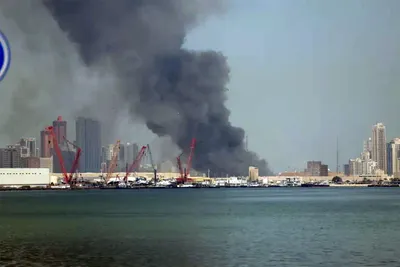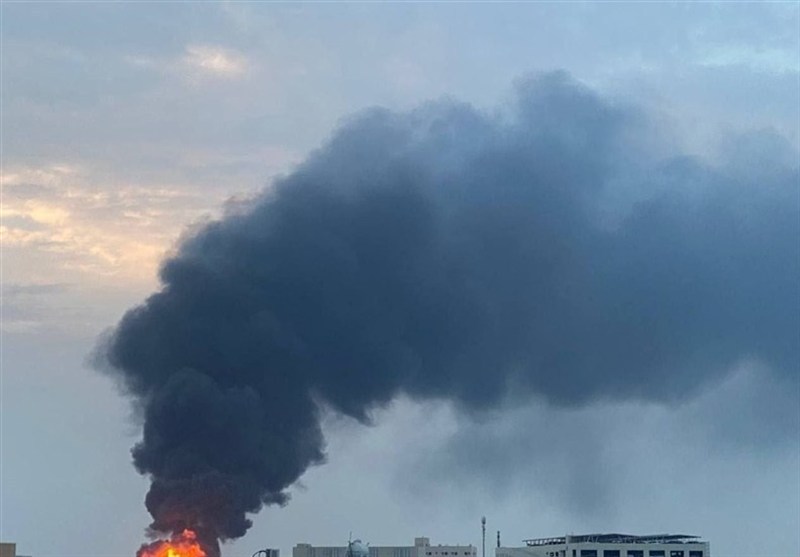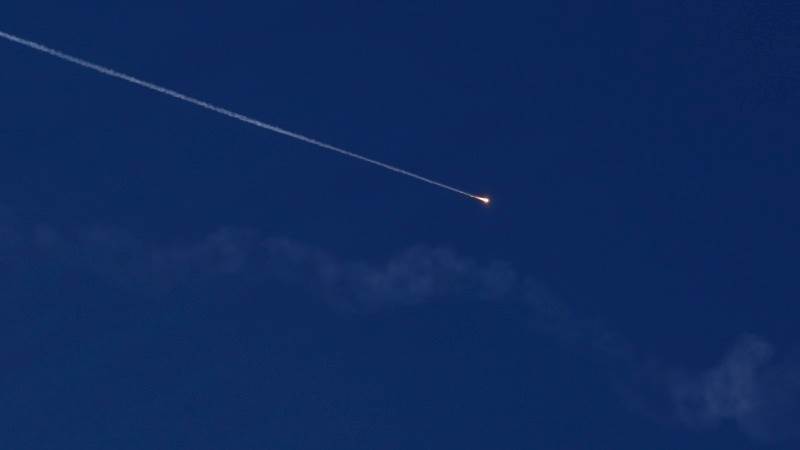
Iran claimed on Sunday that it had destroyed a US military drone fleet stationed in Bahrain. The claim of an American drone fleet in Bahrain being destroyed could not be independently verified, adding a layer of uncertainty to the escalating tensions in the region. Tehran has also accused the United States of undermining diplomatic efforts through its latest military actions, suggesting a significant setback for any potential de-escalation efforts. This accusation points to a deeper deterioration in the already strained relations between the two nations.
Iranian Claims and Counterclaims
Iran's state-run IRNA news agency reported that Iranian drone operations against US military facilities in the region were continuing, indicating an ongoing campaign of military action. Iranian media further claimed "destructive drone" attacks on US military positions in Kuwait, specifically targeting defence systems, missile installations, bunkers, and support facilities. These reports detailed the nature and scope of the alleged Iranian operations. The Islamic Revolutionary Guard Corps (IRGC) asserted responsibility for strikes on Kuwait’s Ali Salem and Ahmad Al-Jaber bases, providing a clear attribution for these alleged attacks. These claims, if substantiated, would represent a significant escalation in regional hostilities.
Separately, Iranian authorities stated that a US strike on an agricultural water pumping station in Mahshahr resulted in the death of at least one person and left four others wounded. This report notes the human cost of the ongoing conflict and provides a specific incident from the Iranian perspective. Concerning diplomatic efforts, Iranian authorities commented, "Tehran said the latest attacks had effectively nullified months of diplomatic engagement, signalling a further deterioration in already strained relations." This statement shows Iran's view that recent military actions by the United States have severely damaged prospects for diplomatic resolution and de-escalation. The Iranian government's position suggests that the window for diplomatic engagement has narrowed considerably due to these military interventions.
US Military Operations Detailed
The US Central Command (CENTCOM) reported that American forces struck "dozens of targets at multiple locations with precision munitions" in response to regional incidents. The stated objective of the US operation was to weaken Iran’s ability to carry out attacks on international shipping moving through the Strait of Hormuz, a critical global choke point for maritime trade. US military targets included Iranian air defense systems, coastal radar sites, missile and drone capabilities, and small naval vessels, indicating a full effort to degrade various aspects of Iran's military infrastructure.
The operation involved a combination of assets, including fighter aircraft, naval vessels, one-way attack aerial drones, and one-way attack sea drones, showcasing a multi-domain approach to the strikes. This deployment of diverse military assets shows the scale and sophistication of the US response. The US military stated that these strikes followed an alleged attack by Iran’s Islamic Revolutionary Guard Corps (IRGC) on a commercial vessel attempting to transit the strategic waterway. This alleged IRGC attack served as the primary justification for the American military intervention, framing the US actions as a direct response to Iranian aggression against international shipping. The precise nature of the targets and the assets deployed reflect a deliberate strategy aimed at deterring further Iranian actions in the vital shipping lane.
Diplomatic Fallout and Broader Conflict
Hostilities between Washington and Tehran intensified following a fresh round of American strikes on Iranian targets. These strikes were linked to ongoing tensions in the strategically vital Strait of Hormuz, a key international shipping lane through which a significant portion of the world's oil supply passes. The United States launched these operations in response to prior incidents in the region, which it attributed to Iranian actions. The continuous back-and-forth between the two nations indicates a volatile security environment in the Middle East.
Iranian authorities stated that the latest attacks had effectively nullified months of diplomatic engagement, signaling a further deterioration in already strained relations between the two countries. "Tehran said the latest attacks had effectively nullified months of diplomatic engagement, signalling a further deterioration in already strained relations," Iranian authorities commented, reiterating their position on the diplomatic impact. This assessment suggests a significant setback for any potential de-escalation efforts, indicating that recent military actions have undermined diplomatic progress and made future negotiations considerably more challenging. The current trajectory suggests a deepening of the long-standing animosity between the United States and Iran, with military actions overshadowing any previous attempts at dialogue.