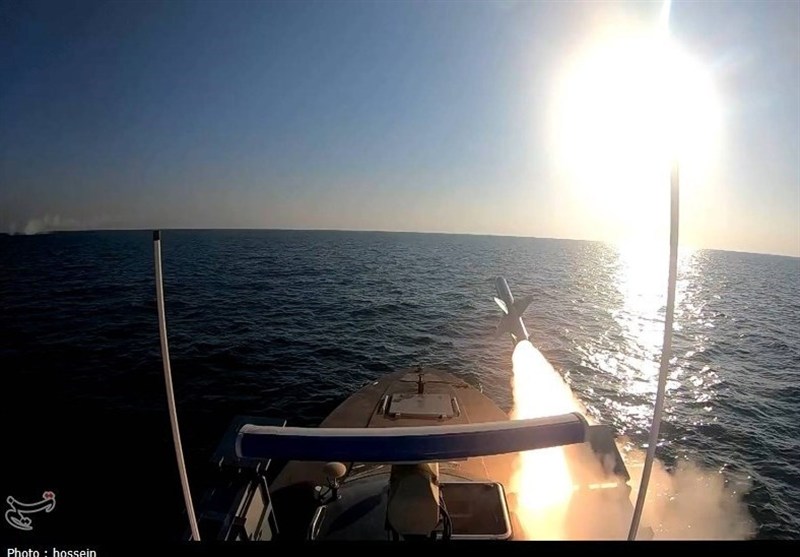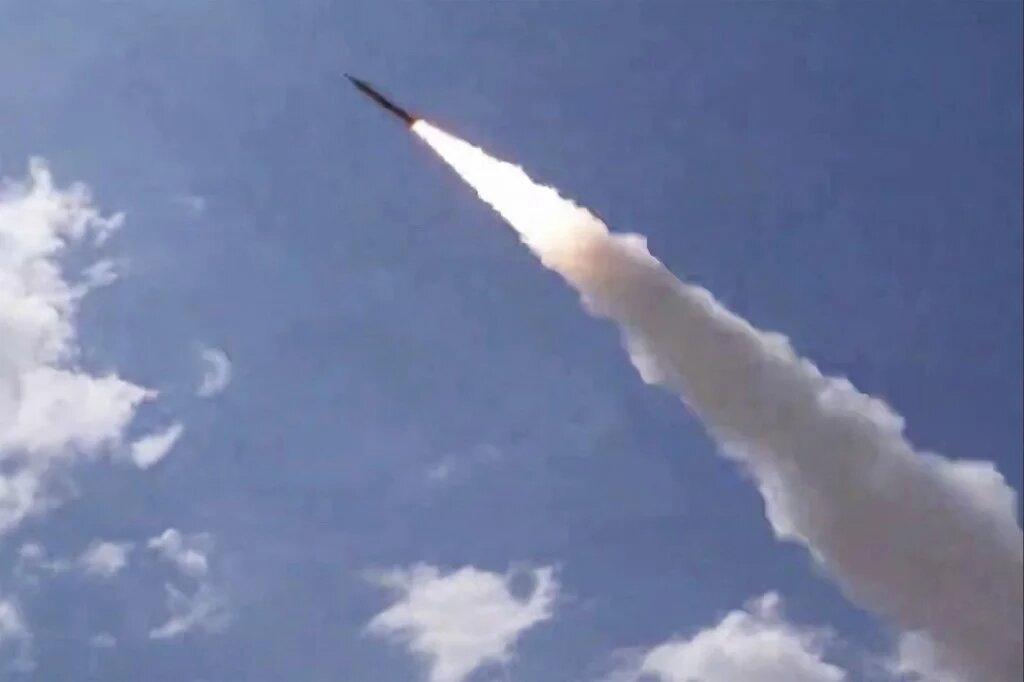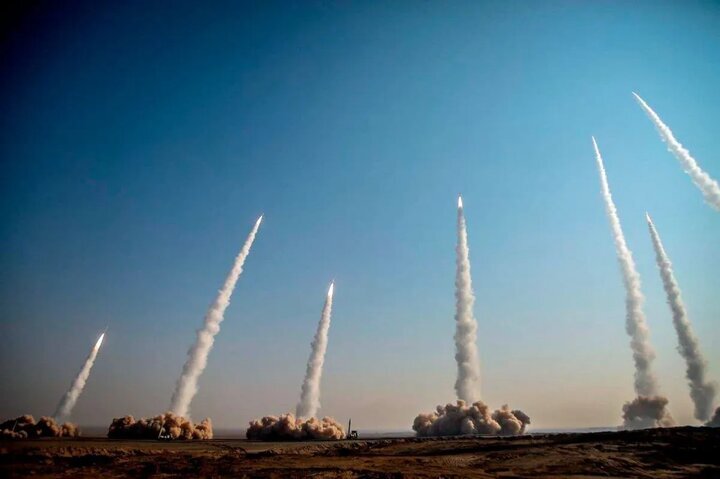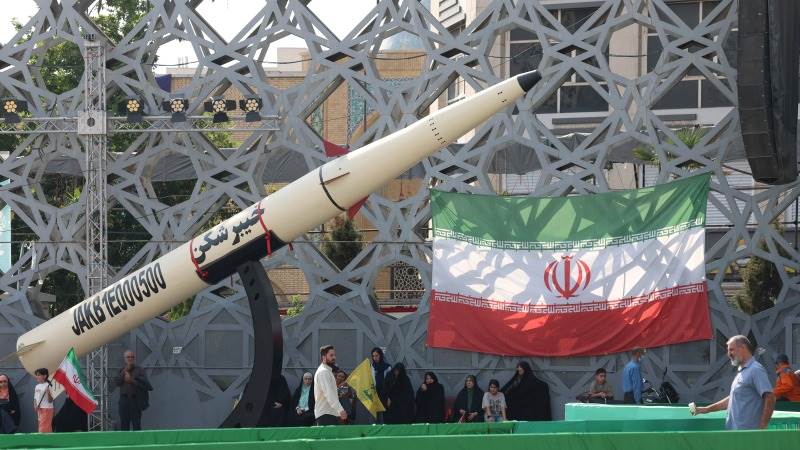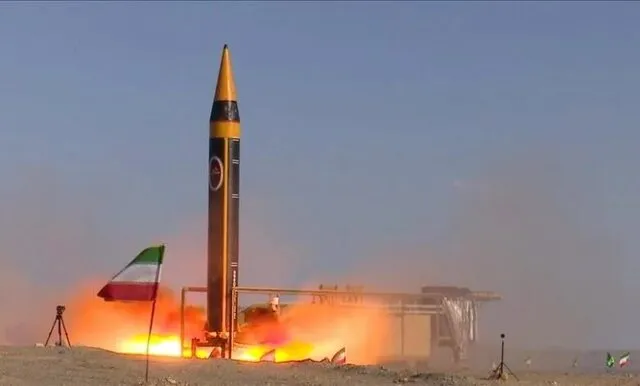
Iran's Islamic Revolutionary Guard Corps (IRGC) announced it has launched heavy drone and missile strikes targeting multiple strategic U.S. Military assets, intelligence facilities, and artificial intelligence centers. These full attacks, utilizing both drones and missiles, were directed against various U.S. Installations across the Persian Gulf region. The reported strikes occurred in both Bahrain and Kuwait, signifying a broad operational scope. The IRGC stated that these actions were a direct response to potential threats against Iranian infrastructure, emphasizing a retaliatory posture. "If the U.S. Regime strikes our bridges and transportation infrastructure, we will crush the most vital industrial, information technology, and AI assets of U.S.-shareholder companies across the region," the IRGC asserted in its statement regarding the attacks, showing its commitment to a strong and targeted response.
Targets in Bahrain Detailed
The attacks, identified as Waves 17 and 19 of "Operation Nasr 2," encompassed specific targets in each nation. During Wave 17, the Islamic Revolutionary Guard Corps (IRGC) Navy and Aerospace Forces reportedly targeted a major depot of U.S. Unmanned Surface Vessels (USVs) in Bahrain. This operation aimed to cripple a key component of U.S. Naval capabilities in the region. The IRGC also claimed to have completely destroyed a primary U.S.-linked artificial intelligence center located in the country, noting its focus on advanced technological assets. Additionally, IRGC forces targeted a U.S. Military aircraft staging area at the Shaikh Isa Air Base, a critical operational hub for U.S. Air power. The "Batelco" data and intelligence center in Bahrain was also reportedly crushed during the strikes, further demonstrating the IRGC's intent to disrupt U.S. Information and intelligence gathering capabilities. The IRGC had previously stated, "If the U.S. Regime strikes our bridges and transportation infrastructure, we will crush the most vital industrial, information technology, and AI assets of U.S.-shareholder companies across the region." This information is identified with News ID: 5832.
Kuwait Operations Unveiled
During Wave 19, Iran's Islamic Revolutionary Guard Corps (IRGC) naval units expanded their strike operations into Kuwait, marking a significant extension of their reach. These operations reportedly neutralized a critical fuel support pier in the Al-Ahmadi area, which was utilized by the U.S. Navy. The destruction of this pier would significantly impact the logistical support for U.S. Naval operations. Additionally, the IRGC claimed to have neutralized a U.S. Signals and communications intelligence center located within Kuwaiti territory. This target shows the IRGC's intent to degrade U.S. Surveillance and communication networks. The strikes in Kuwait form part of a broader series of actions announced by the IRGC targeting U.S. Assets in the region, following their earlier reported operations in Bahrain. The coordinated nature of these attacks across multiple locations indicates a planned and full response.
Retaliation for Civilian Infrastructure Attacks
The Islamic Revolutionary Guard Corps (IRGC) stated that its recent operations were conducted in direct retaliation for previous U.S. Military strikes. These U.S. Actions reportedly targeted civilian infrastructure, including bridges within Iran, causing significant damage and disruption. The IRGC asserted that these earlier strikes had resulted in civilian casualties, providing a strong justification for their retaliatory measures. The recent drone and missile attacks on U.S. Assets in Bahrain and Kuwait, therefore, represent a retaliatory measure for those specific incidents, aiming to deter further U.S. Actions against Iranian domestic targets. The IRGC has consistently warned against any attacks on Iranian infrastructure, indicating that such actions would provoke a strong response against U.S. Interests in the region, affecting vital military, intelligence, and technological assets.
IRGC's Stated Justification
The Islamic Revolutionary Guard Corps (IRGC) identified the recent attacks as part of "Operation Nasr 2." Specifically, the operations were designated as Waves 17 and 19 of this ongoing effort, indicating a phased and continuous campaign. The IRGC's public statements consistently frame these actions as necessary and proportionate responses to perceived aggressions against Iranian sovereignty and its civilian population.