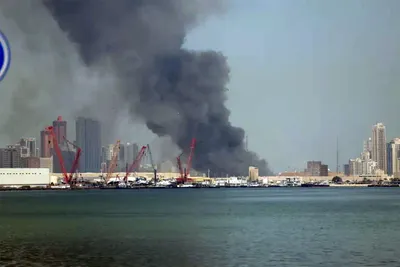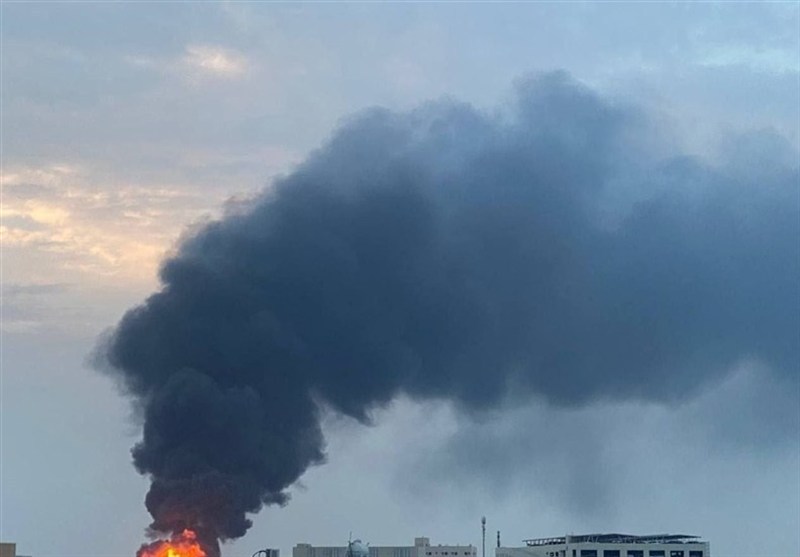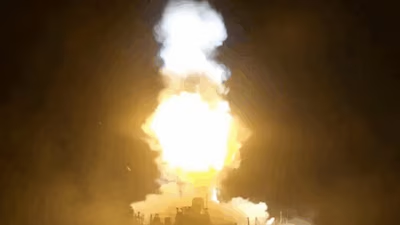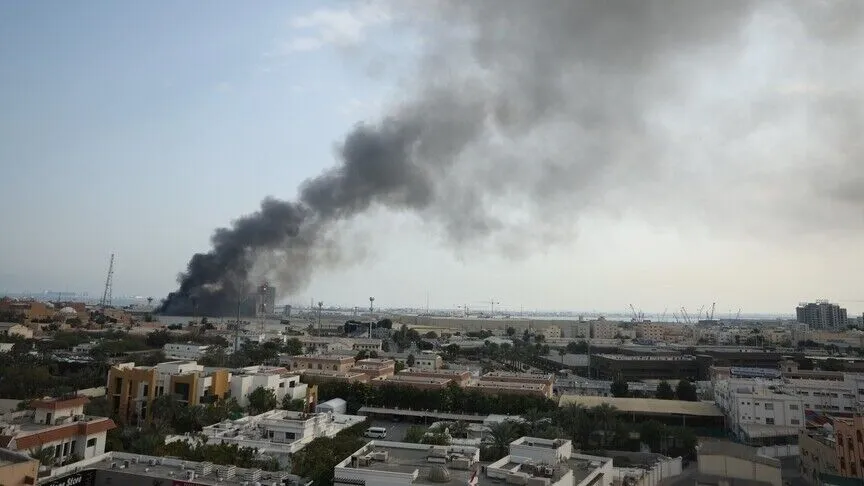
Iran's Islamic Revolutionary Guard Corps (IRGC) announced Monday it had targeted U.S. Military facilities in Bahrain and radar systems in neighboring Oman. Iran's state broadcaster IRIB reported the claims, which the IRGC stated marked the beginning of "greater incidents." The IRGC indicated that these actions would continue "until further notice." The alleged strikes, though not independently verified, were aimed at American installations in the region, including those in Bahrain and radar systems located in Oman. The IRGC's statements were disseminated through Iran's state broadcaster IRIB, which served as the primary source for these claims.
Details of Attacks
According to Iran's state broadcaster IRIB, the alleged attacks involved missile and drone strikes. These strikes were reportedly directed against U.S. Military infrastructure in Juffair, Bahrain. The IRIB report further indicated that long-range air surveillance and maritime surveillance radar systems in Oman were also targeted in these operations. These specific claims regarding the nature and targets of the strikes were made by the Islamic Revolutionary Guard Corps (IRGC).
Separately, Bahrain's Interior Ministry confirmed that air raid sirens had sounded across the country for a second time. The ministry issued an advisory urging citizens and residents to remain calm and seek shelter in the nearest safe location, emphasizing the importance of public safety amidst the reported incidents. The sounding of air raid sirens, which occurred again across the country, prompted the ministry to issue a public advisory. This advisory specifically instructed citizens and residents to maintain calm and proceed to the nearest safe place, showing the potential for ongoing security concerns in the region.
IRGC's Demands and Threats
The Islamic Revolutionary Guard Corps (IRGC) declared that the Strait of Hormuz would only reopen to maritime traffic if the United States ceased its military interference in the strategic waterway and respected the sovereignty of coastal states. This ultimatum from the IRGC outlines clear conditions for the resumption of normal shipping through the vital chokepoint. The IRGC warned that ongoing U.S. Military activities in the Strait of Hormuz could trigger "greater incidents" that would impact the global oil and gas sector. This stark warning notes the potential for wider economic repercussions should tensions escalate further. This comes as U.S. President Donald Trump announced that the memorandum of understanding with Iran was "over," indicating a significant shift in diplomatic relations. The IRGC previously stated that its actions would continue "until further notice," suggesting an open-ended period of potential military action.
Escalating Tensions Context
On Sunday, the Islamic Revolutionary Guard Corps (IRGC) announced the closure of the Strait of Hormuz to maritime traffic "until further notice." This unilateral declaration immediately raised concerns about global oil supplies and international shipping. The claims by the IRGC emerged amid escalating military exchanges between Iran and the United States, following a series of attacks on commercial vessels in the strategic waterway. These attacks on commercial vessels have contributed significantly to the heightened tensions in the region. Last month, Iran and the U.S. Had signed a memorandum of understanding, mediated by Pakistan, which aimed to conclude their military conflict and achieve a lasting peace agreement. This memorandum of understanding, brokered with the assistance of Pakistan, had offered a glimmer of hope for de-escalation. The IRGC's recent actions signal a potential reversal of that effort, casting doubt on the future of the peace agreement. The group had previously warned of "greater incidents" and stated its actions would continue "until further notice," showing their resolve in the face of ongoing disputes. These developments indicate a precarious and rapidly evolving security situation in the Middle East.