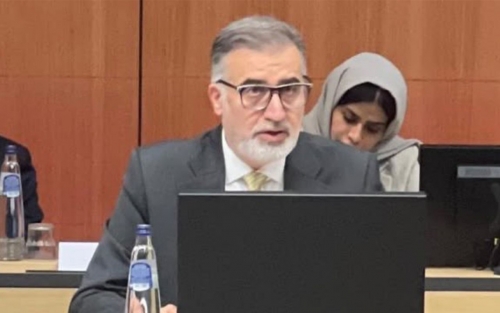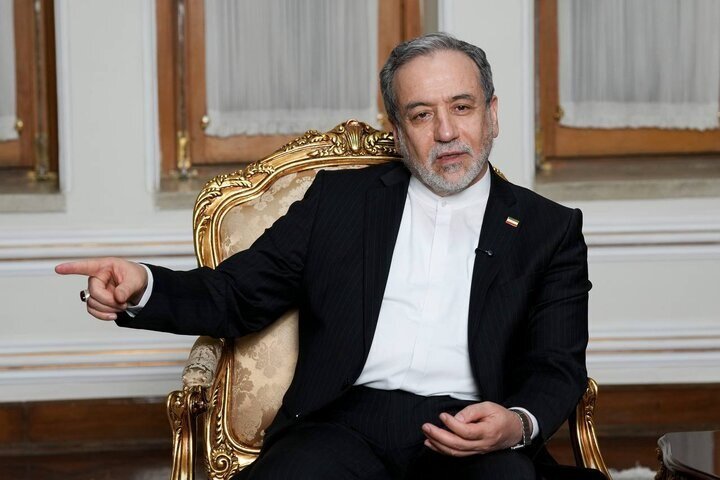
Iranian Foreign Minister Abbas Araghchi on September 11, 2026, referenced remarks by Acting US Navy Secretary Hung Cao regarding significant damage to US facilities in Bahrain, linking the destruction to the costs of Israel's wars. Araghchi stated, "We appreciate the candor of Acting Navy Secretary Hung Cao. Our powerful Armed Forces did indeed ‘blow the hell out of the 5th Fleet HQ in Bahrain,’ as well as other bases supporting US aggression." He further asserted, "The American people deserve better than footing the bill for Israel’s wars." Cao had previously described the damage, saying Iranian forces "blew the hell out of Bahrain" and left "no place for them to pull in." The Iranian Foreign Minister's comments show a direct connection between the military actions and the financial burden placed on the United States.
US Navy Acknowledges Damage
Acting US Navy Secretary Hung Cao acknowledged extensive damage to US naval facilities in Bahrain during a September 9 interview with The Epoch Times. Cao confirmed that Iranian attacks "blew the hell out of Bahrain," causing significant destruction. Naval Support Activity Bahrain, which serves as the headquarters for the US Fifth Fleet, was among the facilities that sustained damage. This key naval installation, critical for regional operations, suffered substantial impacts from the Iranian actions. Cao described the extent of the impact, stating there was "no place for them to pull in" following the attacks, noting the severe operational disruption. His remarks provided insight into the condition of the strategic US military installations in the Gulf nation, confirming the severity of the damage inflicted by Iranian forces. The acknowledgment from such a senior US Navy official lends significant weight to the reports of widespread destruction.
Iranian Minister's Reaction
Open-source and satellite imagery indicated substantial damage at US facilities in Bahrain during the initial phase of US-Israeli aggression against Iran. This aggression commenced on February 28, with visual evidence suggesting significant impacts on the installations. The imagery corroborated reports of destruction at key American military sites in the Gulf nation, providing independent verification of the damage. Observers noted the visible alterations to infrastructure, which aligned with earlier statements regarding the extent of the damage. The visual data provided an independent assessment of the situation on the ground, pointing to widespread disruption at the affected sites. These observations contributed to the broader understanding of the operational challenges faced by US forces in the region following the onset of hostilities, reinforcing the claims made by Iranian officials regarding the effectiveness of their military actions. The nature of the damage suggested targeted and effective strikes against critical infrastructure.
Broader Implications for US
The damage sustained by US facilities in Bahrain significantly disrupted operations involving the USS Abraham Lincoln aircraft carrier. The disruption affected the carrier's ability to utilize the strategic naval hub, which is a key logistical point for US naval forces in the Middle East. The inability to access and operate from this facility has broad consequences for naval deployments and readiness in the region. Admiral Daryl Caudle, Commander of US Fleet Forces Command, subsequently indicated that the US Navy would not be able to return to the Bahrain facility "anytime soon." This statement noted the severity and extensive nature of the damage, suggesting a prolonged period before the naval base could resume full operational capacity. The inability to use the facility impacts naval logistics and deployment in the region, forcing the US Navy to seek alternative arrangements for its operations and support. The long-term implications for US military posture in the Gulf remain a significant concern following these events.