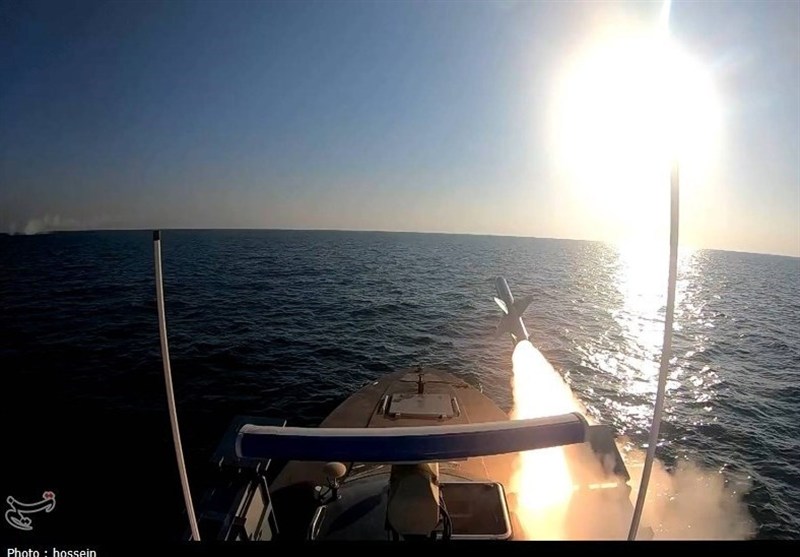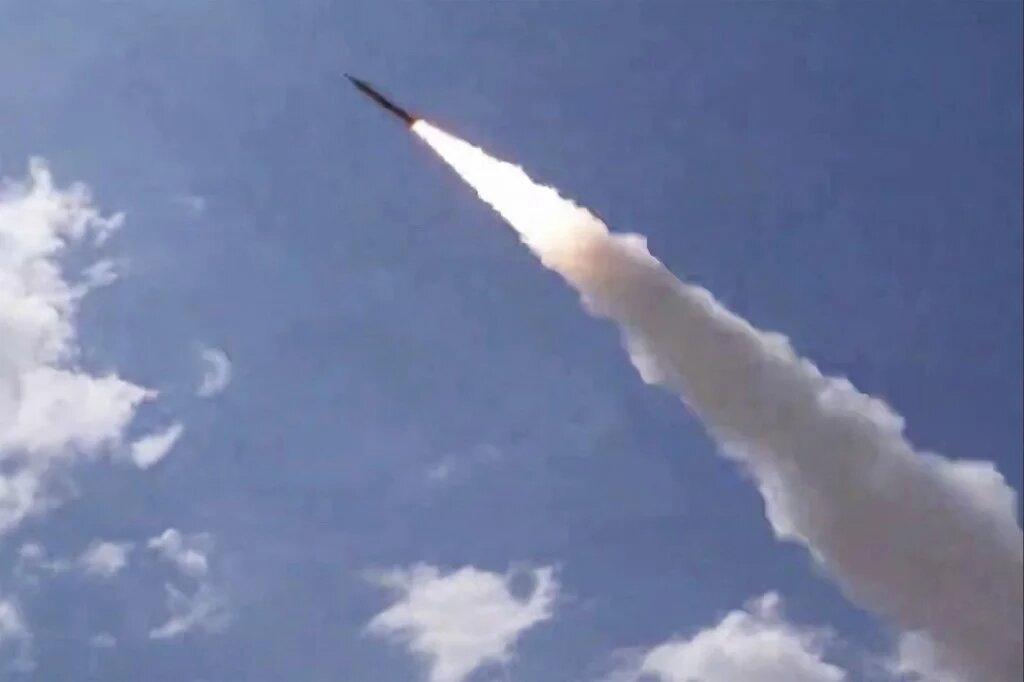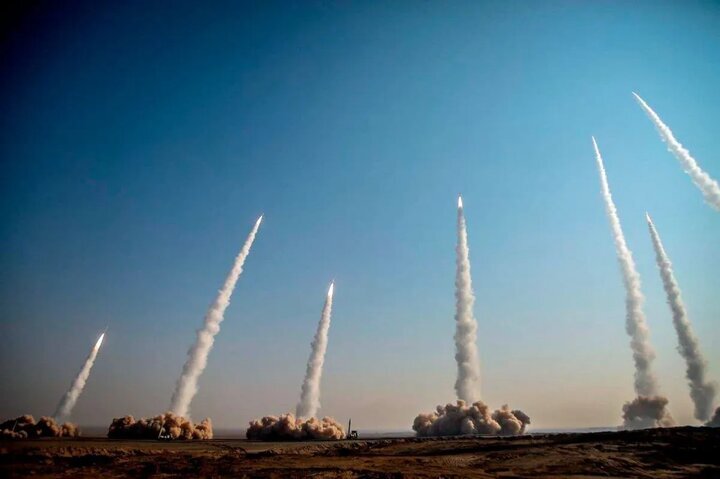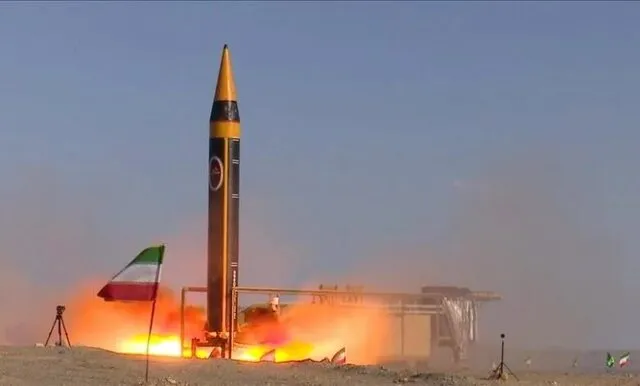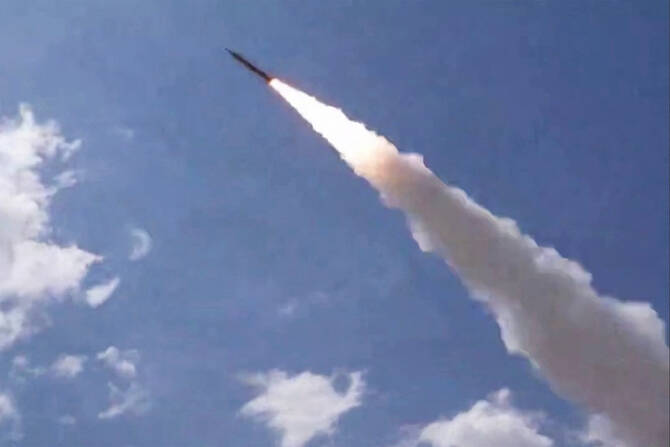
Iran renewed attacks on US military targets and its regional allies on Monday, July 20, 2026, triggering security alerts and an oil price surge. The latest hostilities represent a significant escalation in the ongoing conflict, drawing international attention to the volatile Middle East. Iran’s Revolutionary Guards stated they launched a "surprise attack" on an enemy special operations command center in the Al-Tanf region of Syria. This declaration showed the deliberate nature of the Iranian actions. The Revolutionary Guards’ statement claimed the strike was aimed at military assets of unnamed regional adversaries, a broad categorization that encompasses various actors in the region. Following these developments, Brent crude futures rose more than 3 percent on Monday, trading above $90 a barrel. This increase reflects market concerns over potential disruptions to oil supplies in the Gulf region, a critical area for global energy markets. The immediate impact on oil prices noted the perceived instability and the potential for wider economic repercussions stemming from the renewed conflict.
Frontline Engagements and Casualties
Iran claimed it had struck a command center near the Al-Tanf base in Syria. The Al-Tanf garrison is strategically located near Syria’s borders with Iraq and Jordan, making it a key point for regional military operations and a frequent target in previous conflicts. In the Gulf region, Bahrain’s military reported that its air defenses had intercepted and destroyed several Iranian aerial attacks. These interceptions signify a strong defensive posture by Bahraini forces against incoming threats. Kuwait and Bahrain, both hosts to significant US military installations, have borne the brunt of Iranian attacks on US allies in the Gulf since fighting resumed this month, indicating a concerted effort by Iran to target nations allied with the United States.
The US military reported that two American service members had been killed in Jordan while defending against Iranian ballistic missile and drone attacks. This tragic loss of life shows the direct threat posed by these sophisticated attacks. Another US service member was reported missing during the same incidents, prompting immediate search and rescue efforts and adding to the gravity of the situation. This marks a direct escalation in casualties for US forces in the region, a development that is likely to draw a strong response from Washington. The incidents in Jordan highlight the expanded geographical scope of the conflict, reaching beyond traditional battlegrounds.
Separately, a US service member later died in northern Iraq. The casualty occurred during the controlled detonation of unexploded ordnance from a downed Iranian drone, noting the ongoing risks associated with the aftermath of these aerial assaults, even after the immediate threat has passed. This incident brings the total confirmed US military fatalities since the war began on February 28, 2026, to 17, a somber tally reflecting the intensity of the hostilities. The danger posed by unexploded ordnance is a persistent concern in conflict zones, often leading to further casualties long after active combat has ceased.
Regional Impact and Strategic Chokepoints
Bahrain sounded air raid sirens as the latest escalation sent oil prices above $90 a barrel. The Interior Ministry in Bahrain confirmed air raid sirens sounded overnight from Sunday into Monday, prompting residents to seek shelter and showing the immediate threat faced by the civilian population. Bahrain hosts the US Navy’s Fifth Fleet, a key strategic asset in the region responsible for maritime security and counter-terrorism operations, making it a prime target for Iranian aggression. Separately, Kuwait’s electricity ministry reported that a power and water plant was attacked for a second consecutive day, causing a fire. This attack on critical infrastructure demonstrates Iran's willingness to disrupt essential services and inflict economic damage on its adversaries. US West Texas Intermediate crude also gained more than 3 percent amid the rising tensions, mirroring the increase in Brent crude and indicating a broad market reaction to the instability. The attacks on critical infrastructure in Kuwait show the vulnerability of essential services to military actions in the region.
The Strait of Hormuz, a waterway through which a significant share of the world’s oil and gas shipments normally passes, has become a focal point of these developments. Its strategic importance cannot be overstated, as disruptions here have global economic ramifications. On Sunday, the Revolutionary Guards said they had stopped two ships attempting to transit the Strait of Hormuz, an act of maritime interdiction that immediately raised concerns about freedom of navigation. Iran previously closed the Strait of Hormuz after the war broke out, disrupting international shipping lanes and demonstrating its capacity to wield significant influence over global energy supplies. The repeated threats and actions related to the Strait of Hormuz highlight Iran's leverage in the conflict and its potential to cause widespread economic disruption. The global community closely monitors any developments concerning this vital waterway due to its immense importance for international trade and energy security.
Diplomatic Fallout and Nuclear Concerns
Jordan reported on Sunday, July 19, 2026, that its air defenses had intercepted missiles following an Iranian attack. This interception by Jordanian forces demonstrates their readiness to defend national airspace against hostile incursions. Israeli and Jordanian forces worked together to intercept an Iranian missile that was headed toward the Jordanian port city of Aqaba, showcasing a rare instance of cross-border military cooperation in defense against a common threat. The US Embassy in Amman had previously issued a warning to its citizens about a "specific and credible threat" targeting both Aqaba's port and airport, indicating prior intelligence about potential attacks and advising caution. In response to these incidents, Jordan summoned Iran’s charge d’affaires to formally protest Iranian acts of aggression, a diplomatic move intended to convey strong condemnation and demand accountability for the attacks. The coordinated interception and the diplomatic protest show the seriousness with which Jordan views Iran's actions.
Separately, the Atomic Energy Organization of Iran stated that the United States had attacked the unfinished Darkhovin nuclear power plant, located in southwestern Iran. This claim, if substantiated, would represent a dangerous new dimension to the conflict, directly targeting nuclear facilities. The International Atomic Energy Agency (IAEA) announced it was examining the report concerning the Darkhovin nuclear power plant, signaling international concern and the need for independent verification of such serious allegations. IAEA Director Rafael Grossi renewed his call for military restraint around all nuclear-related sites, emphasizing the criticality of avoiding any actions that could impact such facilities and potentially lead to a nuclear disaster. Amid the escalating tensions, Washington has reimposed its own blockade on Iranian ports, adding another layer to the diplomatic and economic pressures on Iran. This blockade aims to further isolate Iran economically and restrict its ability to project power or fund its military operations. The international community watches closely, aware that any damage to nuclear facilities could have catastrophic consequences for the region and beyond.
Broader Conflict Context and Retaliation
US Central Command reported it had conducted an eighth consecutive night of strikes against Iran, aiming to "swiftly punish Islamic Revolutionary Guard Corps forces who launched attacks against American service members." These retaliatory strikes demonstrate the US commitment to defending its personnel and interests in the region and signal a sustained campaign against Iranian military assets. The United States has confirmed 17 military fatalities since the war began on February 28, 2026, a stark reminder of the human cost of the protracted conflict. Iran’s health ministry, in turn, reported that 50 people were killed and more than 500 wounded in the recent fighting, indicating significant casualties on the Iranian side as well. These figures from both sides show the severe impact of the ongoing hostilities on military personnel and the civilian population. The exchange of attacks and counter-attacks has created a dangerous cycle of violence, with both sides demonstrating a willingness to escalate their military actions. The broader conflict continues to destabilize the region, with no immediate signs of de-escalation from either party.