Iran's Islamic Revolutionary Guard Corps (IRGC) claimed missile and drone attacks on a U.S. Air and helicopter base in a neighboring country, along with an assault on the U.S. Fifth Fleet's headquarters in Bahrain. The IRGC asserted these actions were a direct response to a U.S. Attack targeting a communications tower situated south of Qeshm Island. Reports also indicated that a U.S. Attack on an Iranian tanker resulted in damage to the vessel's engine room.
Targeting Specifics and Retaliation Claims
Iran claimed it attacked American targets, including the Panaya ship, in retaliation for a U.S. Strike on an Iranian oil tanker and other Islamic Revolutionary Guard Corps (IRGC) facilities. The IRGC navy specifically stated it targeted a vessel identified as Panaya with missiles, asserting the ship belonged to the 'American Zionist Enemy' and that this action responded to a U.S. Attack on an Iranian tanker near the Strait of Hormuz. The IRGC claimed that they launched missiles and drones at a U.S air and helicopter base in one of the neighbouring countries and also attacked the headquarters of the U.S Fifth Fleet in Bahrain. These claims by the IRGC were made in the context of what it described as retaliatory measures against perceived American aggression.
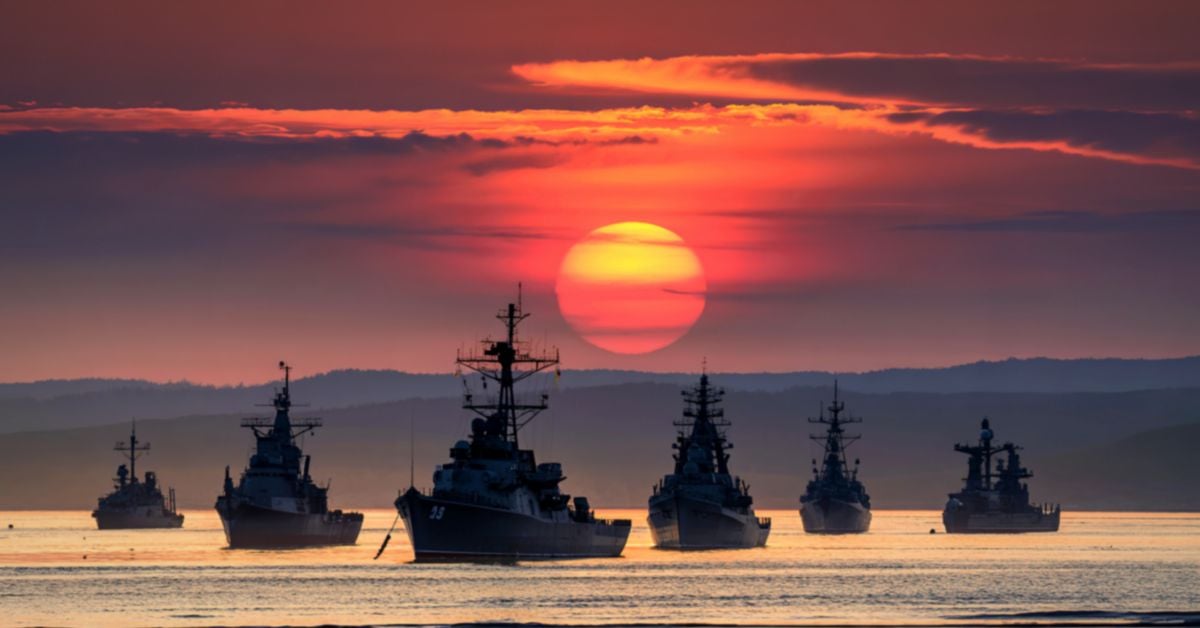
Reports indicated that Iran also claimed a successful attack on an American military vessel, described as a command and control center, in the Sea of Oman as it attempted to enter Iranian territorial waters. This alleged incident further escalated tensions in the region, with the IRGC asserting its right to defend its territorial integrity. Local media cited the IRGC, stating, "Disrupting the security of the Strait of Hormuz will carry a heavy price for the U.S. Military." The IRGC's statements concluded with repeated warnings, emphasizing that any actions against Iran or disruptions in the Strait of Hormuz would be met with a stricter response, and that the U.S. Would bear the cost of its actions. This stern warning showed the IRGC's resolve to counter any perceived threats to its national interests and regional security.
US Response and Disputed Incidents
The United States Central Command (CENTCOM) dismissed Iran's claims of targeting U.S. Navy assets, using the social media platform X to counter the assertions. CENTCOM stated, "CLAIM: Iran is now claiming it has targeted a US Navy destroyer in the Gulf of Oman." It immediately followed this with a denial, asserting, "TRUTH: Iran is lying. US military assets at sea continue to fly, sail, and operate safely and unimpeded." This direct rebuttal from CENTCOM aimed to discredit the Iranian claims and reassure allies of the continued operational freedom of U.S. Forces in the region. The dismissal by CENTCOM noted a significant divergence in the narratives presented by the two sides concerning military engagements in the Gulf.
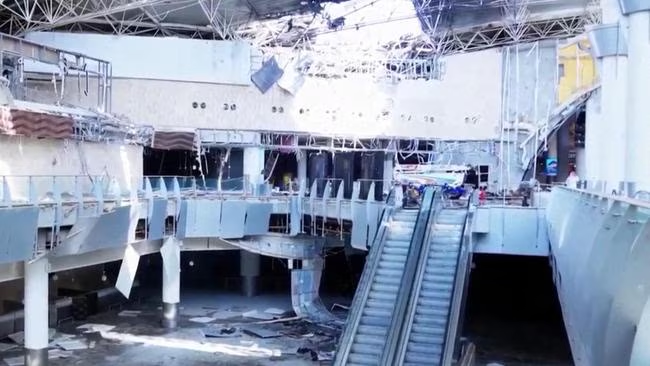
Separately, an attack resulted in damage to the Kuwait International Airport, and an Indian citizen was killed during the incident. Although many missiles reportedly fell in residential areas, the Islamic Revolutionary Guard Corps (IRGC) denied any involvement in the airfield bombardment. This denial came despite the broader context of regional tensions and reciprocal accusations of military actions. The damage to civilian infrastructure and the loss of life at Kuwait International Airport showed the volatile nature of the situation, even as the IRGC sought to distance itself from this specific incident. The development was reported hours after Iran fired missiles and drones at American military facilities across Kuwait and Bahrain, adding to the complexity of attributing responsibility for all reported incidents.
Amidst these claims and counter-claims, the shipping company MSC released a statement regarding its status. MSC described itself as a ‘neutral international carrier,’ distancing itself from the military actions and regional tensions. This declaration by MSC aimed to protect its commercial operations and maintain its impartial stance in a highly charged environment, emphasizing its role as a global shipping entity rather than a participant in geopolitical conflicts.
Regional Accusations and Calls for Unity
Tehran has accused Kuwait and Bahrain of assisting U.S. Forces in military actions against an Iranian oil tanker and Qeshm Island. Iran has consistently justified its operations against Gulf neighbors by citing their alleged role in American attacks on Iranian facilities launched from their territory. These accusations emerged hours after Iran reportedly launched missiles and drones at American military facilities located in Kuwait and Bahrain. Iran has repeatedly defended its operations against Gulf neighbours by mentioning their role in American attacks against Iranian facilities from their soil. This consistent narrative from Tehran frames its actions as defensive responses to what it perceives as collaboration between its neighbors and the United States.
The Iranian government's claims of U.S. Attacks on a communications tower south of Qeshm Island and an Iranian oil tanker near the Strait of Hormuz have been central to its justification for retaliatory measures. The U.S. Attack on the Iranian tanker reportedly damaged its engine room, providing a tangible element to Iran's grievances. Tehran has also blamed Kuwait and Bahrain for assisting U.S forces to execute military action against an Iranian oil tanker and Qeshm Island, further deepening the diplomatic rift in the Gulf. Amidst these regional tensions, former Qatari Prime Minister Sheikh Hamad bin Jassim bin Jaber Al Thani suggested that Gulf countries should form a coalition to maintain a unified regional stance against what he described as Iranian acts of aggression. His call for unity noted concerns among some regional leaders about the escalating situation and the need for a concerted effort to address the challenges posed by the ongoing disputes. The intricate web of claims, denials, and retaliatory actions shows the precarious security landscape in the Middle East, with significant implications for international shipping and regional stability.