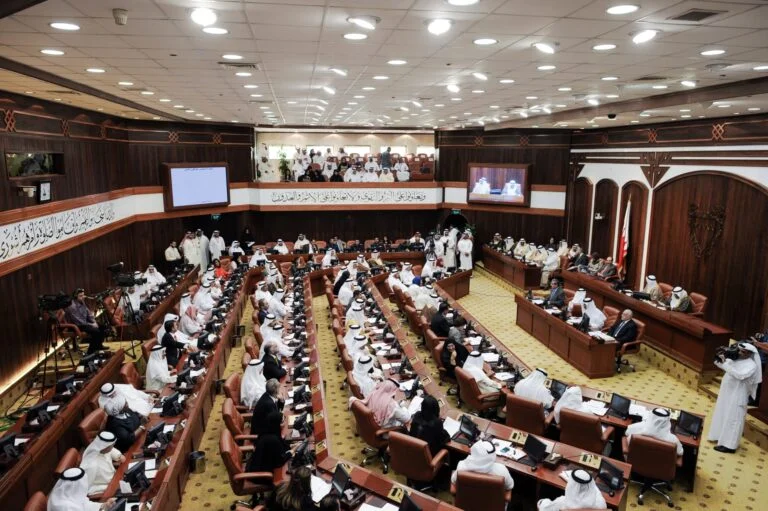
Bahrain's House of Representatives unanimously voted to expel three of its members, Abdulnabi Salman, Mahdi Al-Shuwaikh, and Mamdouh Al-Saleh, on Tuesday. The legislative body's decision follows a vote regarding their stance on citizenship issues, specifically their public opposition to a key government policy. The expulsion means the three Members of Parliament will lose their parliamentary seats with immediate effect, necessitating by-elections to fill the vacancies in their respective constituencies and ensure continued representation. This rare legislative action shows the seriousness with which the House of Representatives views matters pertaining to national security and the King's prerogatives.
Vote Details and Process
The motion to revoke the memberships of Abdulnabi Salman, Mahdi Al-Shuwaikh, and Mamdouh Al-Saleh received unanimous approval from the members present during the parliamentary session. This decisive vote, held on Tuesday, solidified a consensus that had been building within the legislative body. Prior to the session's vote, the initiative to remove the three MPs had already drew significant support, having secured the signatures of 37 members of the House of Representatives. This substantial level of pre-session backing indicated a broad agreement within the legislative body regarding the proposed expulsions, signalling a unified front on the issue. The unanimous final vote further solidified this position, leading to the immediate removal of the three individuals from their parliamentary roles and marking a significant moment in Bahraini parliamentary procedure. The process noted the legislative body's capacity to act decisively on matters it deems critical to national interests and the functioning of the state.
Background to the Expulsion
The expulsion of the three Members of Parliament stemmed directly from their public opposition to a decision made by the King of Bahrain. The King's decision involved revoking the citizenship of individuals accused of supporting Iranian agendas or threatening national security. This firm stance from Abdulnabi Salman, Mahdi Al-Shuwaikh, and Mamdouh Al-Saleh placed them at odds with the government's established policy regarding national security and the protection of state interests. Their public disapproval of these revocations was perceived as a challenge to the sovereign's authority and a misalignment with the legislative body's overall direction. The parliamentary action against them reflects the House of Representatives' alignment with the King's directive and its perceived importance for the Kingdom's stability and internal security.
The issue of citizenship revocation, particularly concerning alleged ties to foreign agendas or activities deemed harmful to the state, has been a sensitive and key topic within Bahraini politics. The MPs' public disapproval of these revocations was seen as a breach of parliamentary conduct and a direct challenge to a policy deemed essential for national cohesion and defence against external influences. This led to the parliamentary move to remove them from their seats, indicating a firm stance by the House of Representatives on matters deemed critical to national interests and the preservation of state sovereignty. The unanimous vote shows the gravity of the members' perceived transgression and the strong parliamentary support for the King's decisions on national security.
Next Steps for Vacant Seats
Following the unanimous vote by Bahrain's House of Representatives to expel Abdulnabi Salman, Mahdi Al-Shuwaikh, and Mamdouh Al-Saleh, the Independent High Electoral Commission is anticipated to initiate procedures to formally declare the three parliamentary seats vacant. This key administrative step will pave the way for the subsequent electoral process. Once the seats are officially declared vacant by the Commission, it will then be responsible for setting a clear timeline and making all necessary arrangements for by-elections to fill these positions. These by-elections will allow the constituents previously represented by the expelled MPs to elect new representatives to the legislature, ensuring that their voices continue to be heard in the national assembly. The swift transition aims to maintain the continuity of parliamentary functions and uphold the democratic process in the Kingdom, ensuring that the legislative body remains fully constituted and operational.