The United Arab Emirates and Bahrain have unequivocally condemned recent attacks targeting the UAE, including critical civilian infrastructure, and are urging immediate action from the United Nations to address these grave violations. The attacks, which transpired on Monday, May 4, 2026, mark a significant escalation, representing the first time the UAE has been targeted since Iran and the United States reached a ceasefire agreement on April 8, 2026. This new wave of aggression has drawn widespread international concern and condemnation, noting the fragile nature of regional stability.
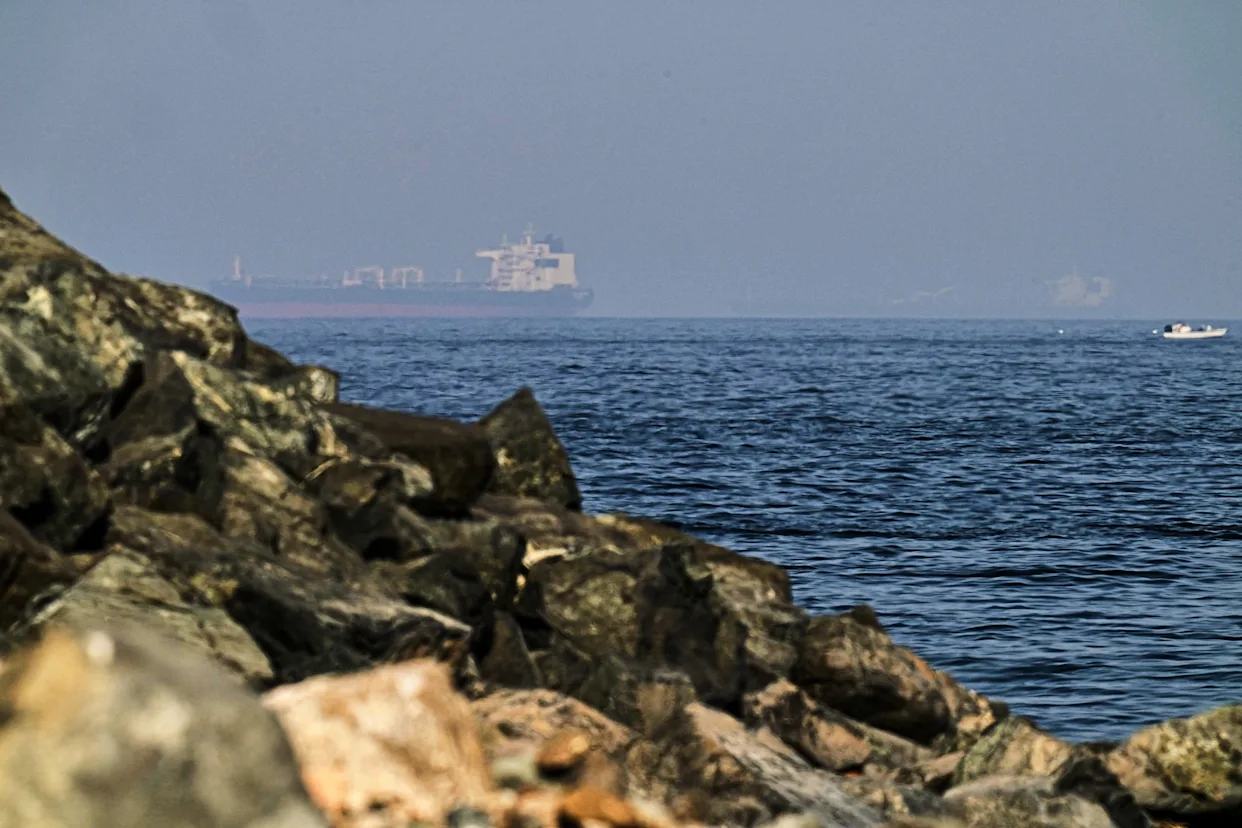
UAE authorities reported that one drone attack specifically ignited a “large” fire at the Fujairah Petroleum Industries Zone, a vital hub for energy infrastructure. This incident resulted in injuries to three Indian nationals, showing the human cost of such hostilities. The targeting of this key industrial zone signals a direct threat to economic stability and global energy supplies. An empty crude oil tanker owned by an Emirati company was attacked while attempting to navigate the strategically key Strait of Hormuz. This maritime incident, which posed a significant risk to international shipping and trade, drew swift condemnation from Kuwait and the Gulf Cooperation Council, both of whom expressed deep concern over the targeting of commercial vessels in international waters. The nature and location of these attacks suggest a deliberate attempt to disrupt both land-based infrastructure and vital maritime routes, impacting not only the UAE but also the broader global economy.
International Condemnation Mounts
International condemnation of the Iranian strikes targeting the UAE has been widespread and emphatic, with several nations urging immediate de-escalation and a return to diplomatic engagement. Jordanian Minister of Foreign Affairs Ayman Safadi held discussions with his Emirati counterpart, Abdullah bin Zayed Al Nahyan, during which he strongly condemned the renewed Iranian attacks on the UAE. Safadi reiterated Jordan’s "absolute solidarity" with the UAE "in confronting these attacks," describing the strikes as "a dangerous escalation and a threat to the UAE’s security, stability, territorial integrity and the safety of its citizens and residents, as well as a blatant violation of international law and the UN charter." This strong statement from a key regional ally shows the perceived severity of the Iranian actions and the unified stance among Arab nations against such aggression.
German Chancellor Friedrich Merz strongly condemned Iran’s attacks and expressed profound solidarity with the people of the UAE. Merz stated unequivocally that "Tehran must return to the negotiating table and stop holding the region and the world hostage: The blockade of the Strait of Hormuz must end. Tehran must not acquire a nuclear weapon. There must be no further threats or attacks against our partners." His remarks highlight Germany's concern not only for the immediate attacks but also for broader Iranian actions and ambitions that threaten global security and economic stability, particularly concerning maritime freedom and nuclear proliferation.
French President Emmanuel Macron also condemned Iran’s strikes on the UAE, describing them as "unjustified and unacceptable." Macron pledged continued French support for allies in the region, noting, "“As it has done since the start of the conflict, France will continue to support its allies in the Emirates and in the region for the defence of their territory,”" This commitment from France, a permanent member of the UN Security Council, signals a strong European stance against the attacks and an assurance of ongoing partnership with the UAE. The French emphasis on territorial defense shows the seriousness with which these attacks are viewed by European powers.
UK Prime Minister Keir Starmer condemned the attacks and called for Iran to engage in talks to prevent any further escalation. Starmer affirmed, "“We stand in solidarity with the UAE and will continue to support the defence of our partners in the Gulf. This escalation must cease. Iran needs to engage meaningfully in negotiations to ensure the ceasefire in the Middle East endures, and a long-term diplomatic solution is achieved,”" The UK’s position aligns with a broader international call for diplomatic resolution and a reinforced ceasefire, emphasizing the need to prevent further destabilization in an already volatile region. The continued support for Gulf partners notes the enduring strategic alliances in the area.
Canada also strongly condemned Iran’s unprovoked missile and drone strikes on the United Arab Emirates. The UAE reported intercepting a significant number of incoming projectiles, specifically 15 missiles and four drones, which were fired from Iran during the attacks. The Office of Canadian Prime Minister Mark Carney stated that "Canada strongly condemns Iran’s unprovoked missile and drone strikes on the United Arab Emirates and stands in solidarity with its people." This condemnation from North America adds to the growing chorus of international voices demanding accountability and an end to aggressive actions. The explicit mention of the strikes being "unprovoked" further emphasizes the perceived lack of justification for Iran's actions.
Iran Denies Involvement
Despite the overwhelming international outcry and the specific claims made by Emirati authorities, Iran has denied the United Arab Emirates’ accusations regarding its involvement in the recent attacks. Tehran has maintained its stance that it was not responsible for the incidents, even as the UAE attributed the missile and drone strikes directly to Iran. This claim by Iran directly contradicts the assertions made by Emirati authorities, who reported intercepting 15 missiles and four drones fired from Iranian territory, providing what they consider clear evidence of culpability. The denial comes amidst widespread international condemnation of the attacks, which targeted critical civilian infrastructure in the UAE and an Emirati-owned crude oil tanker, further complicating efforts to de-escalate tensions. The dispute over culpability adds a significant layer of complexity to the ongoing regional tensions, particularly following the ceasefire agreement between Iran and the United States in early April, raising questions about the future of regional peace efforts.
Regional Stability and Future Response
The Saudi Ministry of Foreign Affairs condemned and denounced the Iranian targeting of civilian and economic facilities in the United Arab Emirates, along with a vessel belonging to an Emirati company. "The kingdom affirms its solidarity with the brotherly United Arab Emirates in the measures it takes to preserve its sovereignty, security and territorial integrity, and calls on the Islamic Republic of Iran to cease these attacks," the Saudi Ministry of Foreign Affairs stated, emphasizing the unified Gulf stance against these acts of aggression. Qatar also strongly condemned the renewed Iranian attacks, describing the strikes as a “blatant violation of the UAE’s sovereignty and a serious threat to the security and stability of the region.” Qatar further affirmed its “full solidarity” with the UAE and said it supported “all measures taken by the UAE to preserve its sovereignty, security, and territorial integrity,” echoing the sentiment of regional unity and the right to self-defense.
Bahrain’s Ministry of Foreign Affairs denounced what it termed “Iranian terrorist attacks,” stating unequivocally that it considered the strikes “a dangerous escalation that threatens the security and stability of the region.” It also expressed strong support for the UAE in any retaliatory measures it chooses to take and explicitly called on the United Nations Security Council “to take firm and deterrent positions and measures against these repeated and unjustified Iranian attacks.” This appeal to the UN Security Council notes the gravity with which Bahrain views the situation and its belief that international intervention is necessary to curb Iranian aggression. EU Commissioner Ursula von der Leyen also denounced the attacks and extended her full solidarity to UAE President Sheikh Mohamed bin Zayed Al Nahyan and the Emirati people. Von der Leyen stated, “These attacks are unacceptable and constitute a clear violation of sovereignty and international law. Security in the region has direct consequences for Europe.” She added, “So we will keep working closely with our partners on de-escalation and diplomatic resolution, to bring an end to the Iranian regime’s brutal actions, both against its neighbours and its own people.” The strong European stance, articulated by the head of the EU Commission, shows the global implications of the attacks and the commitment to diplomatic solutions. The UAE, for its part, issued a clear warning that it reserves the right to respond to the attacks, signaling its resolve to protect its sovereignty and national interests against any further aggression.