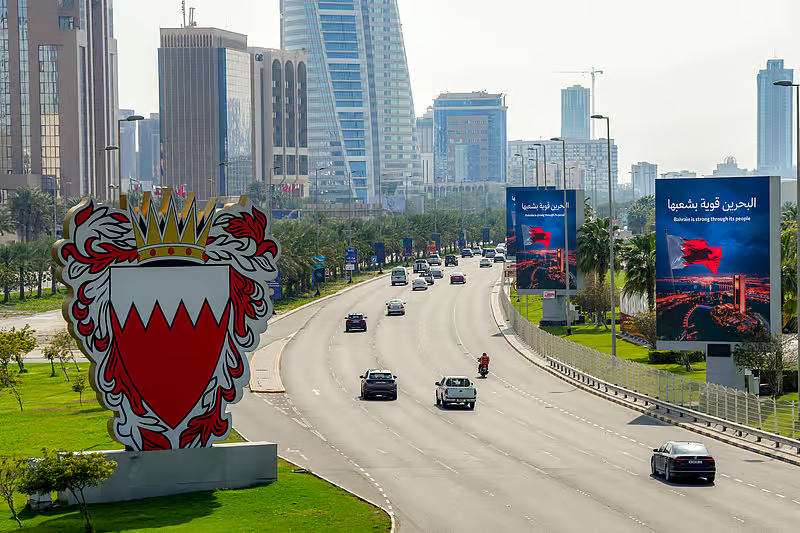
Bahrain faces scorching temperatures from mid-May through August, with mercury typically peaking at 40 degrees Celsius, according to a recent analysis published on May 04, 2026. The extreme heat underlines the critical need for Bahrain to implement a strong, tech-driven sustainability strategy. This urgency is particularly pronounced as the summer months approach, bringing with them a significant increase in energy consumption and environmental challenges that demand innovative solutions. The persistent high temperatures not only stress infrastructure and human health but also exacerbate ecological vulnerabilities across the nation.
The Escalating Heat Crisis
Climate change continues to intensify annually, resulting in escalating temperatures. This global phenomenon is acutely felt in Bahrain, where the local conditions amplify its effects. Bahrain's desert topography exacerbates this warming effect, as desert regions absorb and radiate heat more rapidly than other landscapes. This inherent characteristic of desert environments means that the land heats up quickly during the day and retains heat for longer periods, contributing to the overall rise in ambient temperatures. This phenomenon contributes to the swift aridification of numerous geographical areas that were once verdant. The escalating heat has profound ecological consequences, impacting the delicate balance of desert ecosystems.
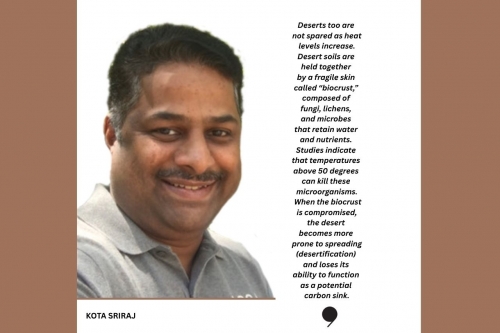
Elevated temperatures also impede the ability of microbes to convert nutrients and diminish nitrogen availability in the soil, which in turn reduces vegetation growth. This disruption to the microbial ecosystem is a critical concern, as these microorganisms play a vital role in soil fertility and plant sustenance. Specifically, temperatures exceeding 50 degrees Celsius are capable of eliminating microorganisms present in desert biocrusts. These biocrusts, essential for soil stability and nutrient cycling, are highly vulnerable to extreme heat. When this biocrust is compromised, the desert's susceptibility to desertification increases, and its capacity to function as a potential carbon sink is diminished. The loss of these carbon sinks further contributes to climate change, creating a dangerous feedback loop that intensifies the heat crisis. Addressing these environmental impacts requires a full and technologically advanced approach to sustainability.
Technological Solutions for Resilience
Bahrain must leverage technology-driven environmental innovations to prioritize sustainability and resource efficiency in its efforts to combat extreme summer heat effectively. These initiatives can include the planting of drought-resistant trees, which are better suited to the local climate, and implementing measures to protect biocrusts from erosion. Drought-resistant trees require less water and can thrive in arid conditions, offering shade and contributing to localized cooling without straining precious water resources. Preserving these biological soil crusts helps maintain soil stability and ecosystem health, preventing further desertification and supporting biodiversity.
The nation can also explore using seawater for evaporative cooling and humidification within large-scale greenhouses. This method offers a sustainable way to regulate temperatures and humidity for agricultural purposes, reducing reliance on freshwater resources. By harnessing the abundant seawater, Bahrain can create controlled environments that are conducive to plant growth, even in the harshest summer conditions. Such an approach could enable year-round cultivation of crops despite harsh external conditions, bolstering food security and reducing dependence on imports. This innovative application of seawater could transform agricultural practices in the region.
This strategy can be combined with a satellite data-guided groundwater aquifer replenishment program. Satellite imagery can monitor water levels, identify potential recharge zones, and track the impact of replenishment efforts, ensuring a more efficient and targeted approach to water resource management. By integrating real-time data, authorities can optimize water distribution and conservation efforts, safeguarding this vital resource for future generations. Integrating these technological solutions offers a multi-faceted approach to enhancing Bahrain's environmental resilience, creating a strong defense against the escalating impacts of climate change.
Prioritizing Sustainability and Resource Efficiency
Bahrain can adopt measures such as regenerative agriculture and biocrust restoration initiatives to enhance environmental resilience. Regenerative agriculture focuses on improving soil health, increasing biodiversity, and sequestering carbon, offering a sustainable path for food production. An atmospheric water generation strategy, deploying technologies to generate potable water from humidity, particularly in coastal areas, could also address water scarcity. Given Bahrain's coastal geography, this technology presents a promising avenue for supplementing its freshwater supply without relying on desalination, which is energy-intensive. Additionally, agri-productivity can be accelerated by applying artificial intelligence-led technology in drip irrigation. This method would involve an algorithm accounting for dynamic soil moisture and triggering water flows based on real-time data, optimizing water usage in agricultural settings. This precision agriculture approach minimizes water waste, ensuring that every drop is utilized efficiently, which is critical in a water-stressed region. By embracing these advanced technological solutions, Bahrain can build a more sustainable and resilient future, effectively mitigating the challenges posed by extreme summer heat and securing its environmental resources.