Gulf states have pledged their full solidarity with Bahrain, backing its security measures following accusations of Iranian interference and aggression, with a Bahraini court sentencing five individuals to life in prison for plotting "terrorist and hostile acts" with Iran. This pledge of full solidarity from the Gulf states shows a unified stance in the face of perceived external threats. The backing of Bahrain's security measures comes after a period of heightened tensions and specific allegations of Iranian involvement in internal affairs. Simultaneously, the kingdom revoked the citizenship of 69 people accused of sympathizing with Tehran, according to reports. This significant action against dozens of individuals notes the severity with which Bahrain views the alleged collaboration and hostile acts. The revocations were carried out amidst a broader context of regional security concerns and accusations against Iran.
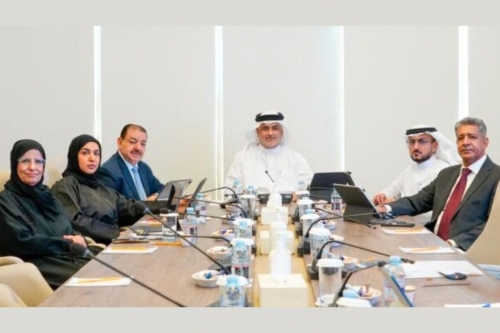
GCC Secretary General Jasem Mohamed Albudaiwi stated that Bahrain's security is "an integral part" of the collective security of GCC member states. His remarks emphasize the interconnectedness of security interests among the Gulf Cooperation Council nations. He added that the bloc stands in "full solidarity" with Bahrain in all actions taken to protect its stability and the safety of its citizens. This declaration of unwavering support from the GCC provides a strong diplomatic and political shield for Bahrain's actions. The collective security framework means that an attack or threat against one member state is considered a threat to all, necessitating a coordinated response and unified support. The solidarity extends to all measures Bahrain deems necessary to safeguard its internal order and protect its population from external interference.
The citizenship revocations were based on Article 10/3 of the Bahraini Nationality Law, which cites "causing harm to the interests of the Kingdom or acting in a manner that contradicts the duty of loyalty to it." This specific article provides the legal framework for the government's actions, outlining the conditions under which citizenship can be rescinded. The stated reason for these revocations was sympathy with Iran's hostile acts and collaboration with foreign entities. This justification directly links the individuals' actions to perceived threats emanating from Iran and its alleged proxies. Bahrain has accused Iran of backing militant networks and unrest within the kingdom, asserting that these networks aim to destabilize the country. Reports indicated that Iran fired at targets in Bahrain and other Gulf Arab states after the U.S. And Israel launched a war against Iran on February 28. This event marked a significant escalation in regional hostilities, directly impacting Bahrain and its neighbors. The targeting of multiple Gulf Arab states during Iran's retaliation campaign showed the widespread nature of the conflict and the direct threats faced by these nations.
Bahrain's Security Measures Detailed
Bahrain's air defenses reportedly intercepted 194 Iranian missiles and 523 drones before a ceasefire took effect on April 8. This substantial number of intercepted projectiles notes the intensity of the attacks faced by Bahrain and the effectiveness of its defensive capabilities. The successful interception of such a large volume of aerial threats was critical in protecting the kingdom's infrastructure and population. In addition to the five individuals previously sentenced to life imprisonment, another 25 people were jailed for up to 10 years for supporting Iranian attacks. These sentences reflect the government's firm stance against those implicated in aiding foreign aggression. The judicial actions are part of a broader effort to counter perceived Iranian influence and destabilization attempts within Bahrain. Further reports indicated that in March, Bahrain charged 14 individuals with spying for Iran's Islamic Revolutionary Guard Corps. This specific charge points to concerns about intelligence gathering and clandestine operations orchestrated by foreign entities within Bahraini territory. The identification and charging of these individuals signal an ongoing effort by Bahraini authorities to dismantle alleged espionage networks.
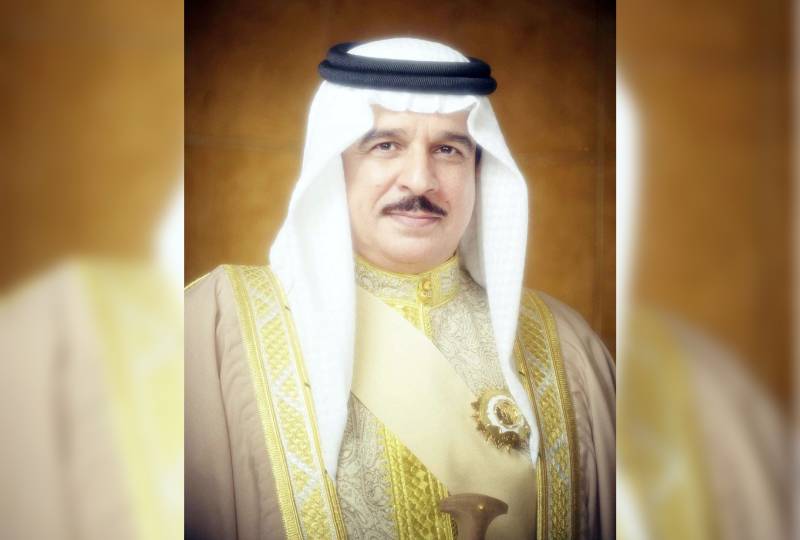
The citizenship revocations, which affected 69 people, included both accused individuals and their family members, according to reports. This aspect of the revocations, extending beyond the primary accused, has drawn particular attention and concern from various observers. These revocations were carried out in accordance with royal directives issued by King Hamad bin Isa Al Khalifa. The direct involvement of the monarch in issuing these directives shows the high-level political will behind these actions and their perceived importance for national security. Article 10/3 of the Bahraini Nationality Law provides the legal basis for such actions, allowing for the revocation of citizenship in cases of 'causing harm to the interests of the Kingdom or acting in a manner that contradicts the duty of loyalty to it.' This clause gives the state considerable power to act against individuals deemed disloyal or detrimental to national interests. The application of this law in the current context notes the government's interpretation of loyalty and national interest in relation to alleged foreign interference.
The interior ministry stated that competent authorities are 'continuing to study and review' who deserves Bahraini citizenship. This ongoing review suggests a systematic approach to assessing citizenship status, potentially leading to further revocations in the future. Days earlier, Bahrain’s King Hamad bin Isa Al Khalifa had issued a directive ordering officials to act against those who 'betrayed the nation' or undermined security and stability. This royal directive set the tone for the subsequent crackdown and provided a clear mandate for authorities to take decisive action. King Hamad described such actions as a "betrayal that cannot be forgiven." His strong language emphasizes the gravity with which the monarchy views these alleged acts of disloyalty and collaboration with foreign powers. Authorities have linked this crackdown to a wider campaign against Iran-backed influence operations. This connection frames the revocations and arrests as part of a broader strategy to counter what Bahrain perceives as persistent attempts by Iran to exert undue influence and destabilize the region. The campaign aims to neutralize any domestic elements believed to be working in concert with these external forces.
Regional Solidarity and Context
All six Gulf Cooperation Council (GCC) countries were attacked during Iran's retaliation campaign, launched in response to US and Israeli strikes in late February, reports indicated. This widespread targeting of GCC members shows the collective threat faced by these nations and provides a compelling reason for their unified solidarity with Bahrain. The attacks noted the vulnerability of the entire region to escalating conflicts. At a GCC summit held last week in Jeddah, leaders emphasized the importance of increasing military integration and accelerating the completion of a joint early warning system designed to counter ballistic missiles. The summit discussions directly addressed the recent security challenges, pushing for enhanced defense capabilities and closer cooperation among member states. The development of a joint early warning system is a strategic response to the missile and drone attacks experienced by the region, aiming to improve detection and response times against future threats. This initiative reflects a shared understanding among GCC leaders of the need for a more strong and integrated regional defense architecture.
The 69 individuals whose citizenship was revoked were all of non-Bahraini origin, according to reports. This detail provides insight into the demographic profile of those affected by the revocations, suggesting a focus on individuals who may have naturalized or whose families originated from outside Bahrain. Bahrain also serves as host to the U.S. Navy's Fifth Fleet, a key American military presence in the region. The presence of the Fifth Fleet shows Bahrain's strategic importance and its role in regional security alliances, particularly concerning maritime security and counter-terrorism operations. This military presence also adds another layer of complexity to the regional dynamics, given the U.S.'s own tensions with Iran. Bahrain and Iran severed diplomatic ties in 2016, marking a significant downturn in their bilateral relations. This diplomatic rupture further illustrates the deep-seated animosity and mistrust that characterize the relationship between the two nations, providing a historical context for the current tensions. Despite this, Bahrain is home to a substantial community of citizens of Iranian descent, estimated to number in the hundreds of thousands, reports indicated. This demographic reality adds a sensitive internal dimension to the government's actions against alleged Iranian influence, as it involves a significant portion of the population with historical and cultural ties to Iran.
Rights Group Condemns Revocations
Sayed Ahmed Alwadaei, Advocacy Director at the Britain-based Bahrain Institute for Rights and Democracy (BIRD), condemned the recent citizenship revocations, calling the move "the beginning of a dangerous era of repression." His strong statement reflects deep concern from human rights organizations regarding the implications of these government actions. Alwadaei further stated that these revocations were "imposed without legal safeguards or any right of appeal." This accusation notes concerns about due process and the lack of judicial recourse for those affected, suggesting potential violations of international human rights standards. The absence of clear legal avenues for appeal raises questions about the fairness and transparency of the revocation process.
BIRD noted that this marked the first instance of citizenship revocation in Bahrain since 2019. This cessation of revocations for several years, followed by the current large-scale action, indicates a significant shift in government policy or a response to new perceived threats. The human rights organization also reported that between 2012 and 2019, Bahrain revoked the nationality of at least 990 individuals. This historical data provided by BIRD places the current revocations within a broader pattern of the Bahraini government utilizing citizenship stripping as a tool. These past actions, like the current ones, have drawn criticism from international rights groups concerned about due process and human rights. The consistent concerns raised by such organizations highlight an ongoing debate about the balance between national security and individual rights in Bahrain.
Relatedly, Kuwait has also undertaken significant citizenship revocations, with reports indicating that more than 70,000 people have had their nationality revoked since 2024. This staggering number from a neighboring Gulf state demonstrates that the use of citizenship revocation is not isolated to Bahrain but is a broader trend in the region. These widespread revocations in the Gulf region highlight a growing trend of states utilizing citizenship laws to address perceived threats to national security or loyalty. The sheer scale of these actions across multiple countries suggests a concerted regional approach to managing internal and external challenges through legal and administrative means. The Bahraini government has maintained that its measures are necessary to safeguard national interests and stability against foreign interference. This official stance consistently frames the revocations as a defensive measure, essential for maintaining the sovereignty and security of the kingdom in a volatile regional environment.