The Bahrain Authority for Culture and Antiquities (BACA) has officially classified 855 properties within the Capital Governorate’s second constituency as archaeological and heritage sites. This full classification effort shows BACA's dedication to safeguarding the nation's rich historical assets. The classification aims to preserve significant historical landmarks across Bahrain's capital, ensuring their protection for future generations. This initiative by BACA identifies structures and areas of cultural importance, ensuring their protection and integration into the national heritage framework. The designation covers a wide range of properties, showing the authority's commitment to safeguarding Bahrain's rich historical legacy and preventing the loss of valuable cultural assets. This proactive measure by BACA is a key step in formalizing the recognition and protection of these invaluable sites.
Scope of Heritage Classification
Of the 855 properties classified, 724 are already listed in the National Heritage Register. This existing listing provides a foundation for their continued preservation and recognition. The remaining 131 properties are currently under review for potential inclusion in the register, according to the Bahrain Authority for Culture and Antiquities (BACA). This process aims to formally recognize and protect a wider array of historical structures, ensuring that their historical and cultural value is officially acknowledged. The inclusion in the National Heritage Register provides a legal framework for their protection against unauthorized alteration or demolition, reinforcing their status as integral parts of Bahrain's heritage.
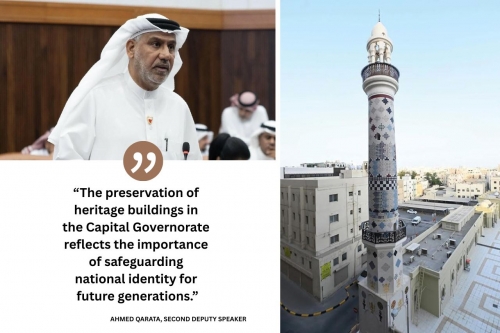
Key landmarks in Manama are among the sites noted by BACA as part of this extensive classification. These include Bab Al Bahrain, an iconic historical building that serves as a gateway to the old Manama souq, symbolizing the city's rich trading past. The Manama Post Office, which has been meticulously restored and now functions as a museum, is also a prominent classified site, offering insight into the evolution of communication in the region. Additionally, Al Fadhel Mosque, a significant religious site that has undergone restoration efforts to maintain its architectural integrity and spiritual importance, is also part of the classified heritage. These specific examples illustrate the diverse nature of the properties being protected.
Preservation Goals and Methods
The Bahrain Authority for Culture and Antiquities (BACA) stated its efforts are guided by national heritage laws to preserve historic buildings. This strong legal framework provides the necessary mandate for BACA's activities. This framework aims to allow regulated development while safeguarding Bahrain’s cultural identity, ensuring that modernization does not come at the expense of historical preservation. BACA emphasized that a key objective is to encourage the sustainable reuse of heritage sites, promoting adaptive solutions that integrate historical structures into contemporary life. The classification process supports the long-term protection of these properties, ensuring their historical significance is maintained within the modern urban landscape. This approach seeks to balance the demands of growth with the imperative to conserve the nation's architectural legacy. By integrating heritage considerations into urban planning, BACA intends to foster a deeper connection to the past for future generations, enhancing cultural awareness and appreciation. The initiative also seeks to prevent the uncontrolled demolition or alteration of structures deemed vital to the country's historical narrative. The authority’s work ensures that designated sites contribute meaningfully to the cultural and economic fabric of the Capital Governorate, becoming active components of its future.
Future of Heritage Sites
The ongoing classification work by the Bahrain Authority for Culture and Antiquities (BACA) in the Capital Governorate is expected to shape future urban development. This initiative shows a commitment to integrating historical preservation with modern growth, particularly in areas like Manama, where rapid development is common. The inclusion of sites such as Bab Al Bahrain and Al Fadhel Mosque within the classified properties signals a long-term vision for their continued protection and cultural relevance, ensuring they remain prominent features of the urban landscape.
The classification process, which has already listed 724 properties in the National Heritage Register and is reviewing an additional 131, aims to ensure that heritage sites contribute to the cultural and economic vitality of the Capital Governorate. BACA's efforts are designed to balance the demands of growth with the imperative to conserve the nation's architectural legacy, preventing uncontrolled demolition and promoting sustainable reuse. This structured approach is intended to safeguard Bahrain's historical narrative for future generations, preserving tangible links to its past.