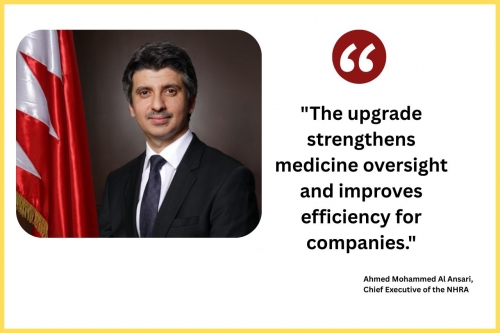
The National Health Regulatory Authority (NHRA) in Bahrain has significantly upgraded its system for processing alterations to registered medicines, according to recent announcements. This strategic enhancement aims to streamline the regulatory framework for pharmaceutical companies operating in the region, fostering a more efficient and responsive environment. Under the improved system, minor changes to registered medicines can now be approved within seven working days, marking a substantial reduction in processing time. This expedited process is specifically intended to improve efficiency and responsiveness in the medicine registration landscape, ensuring that essential updates to pharmaceutical products can be implemented swiftly. The NHRA's initiative reflects a commitment to modernising its operational procedures and supporting the pharmaceutical sector's dynamic needs.
Faster Approvals for Medicine Changes
The improvements extend to all categories of changes, including more complex modifications. Major changes to registered medicines will now be processed within 40 working days, a notable reduction from the previous 45 working days. This adjustment means pharmaceutical companies in Bahrain will face shorter waiting times to update registered medicines, according to the National Health Regulatory Authority's announcements. The reduction in processing time for both minor and major changes is a critical step towards enhancing operational agility within the pharmaceutical industry. The streamlined processing times are part of an ongoing effort by the NHRA to enhance the overall efficiency of medicine regulation across the country, ensuring that Bahrain's regulatory environment remains competitive and effective. This commitment to faster approvals helps facilitate quicker market access for updated medications and promotes a more dynamic pharmaceutical ecosystem.
Digital System Enhances Efficiency
A cornerstone of these enhancements is the digital transformation of the application process. Applications for changes to registered medicines can now be submitted electronically via the "Adwiyah" system. This digital platform facilitates a more efficient and accessible process for pharmaceutical companies operating in Bahrain, moving away from traditional paper-based submissions. The integration of electronic submissions is a key component of the National Health Regulatory Authority's (NHRA) strategy to modernise its regulatory framework and embrace digital solutions. This approach aims to significantly reduce manual processing, minimise administrative burdens, and accelerate the overall timeline for reviewing and approving modifications to registered medicines. The "Adwiyah" system provides a centralised point for companies to manage their applications, track their progress, and receive timely updates, aligning with broader efforts to enhance digital services within the health sector. The shift to electronic submission is expected to improve data accuracy, enhance record-keeping, and simplify compliance for pharmaceutical companies, making the entire process more transparent and user-friendly.
Impact on Pharmaceutical Sector
The improvements are meticulously designed to streamline procedures within the pharmaceutical sector by reducing approval layers, thereby cutting down on bureaucratic hurdles. This initiative also aims to standardise service information across all regulatory processes and significantly increase transparency across the registration process for medicines in Bahrain. Pharmaceutical companies are expected to benefit from a more predictable and efficient regulatory environment, which can foster greater investment and innovation within the sector. The National Health Regulatory Authority's (NHRA) objective is to foster an ecosystem where modifications to registered medicines can be processed with greater clarity and speed, ultimately benefiting both the industry and public health. This systematic overhaul is part of Bahrain’s broader strategy to enhance its regulatory framework, ensuring that the health sector remains responsive to industry needs while maintaining high standards of public health and patient safety. The NHRA's commitment to continuous improvement shows its role in supporting a strong and modern healthcare infrastructure in the Kingdom.