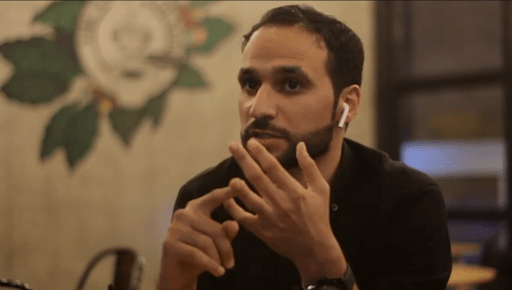
Bahraini photographer Sayed Baqer Al-Kamel received a ten-year prison sentence, judicial sources confirmed Monday. Al-Kamel was arrested on March 1, 2026, and subsequently convicted on charges including allegedly promoting content deemed supportive of Iran during the war. Authorities also accused him of filming and sharing images of sensitive infrastructure during a conflict, in addition to unlawfully publishing defense-related material. The conviction and severe sentence highlight the ongoing scrutiny of digital content and its potential implications for national security in the region.
Content of Posts Leading to Charges
Prior to his arrest, Sayed Baqer Al-Kamel posted a video depicting a high-rise building on fire in Bahrain's Seef district. This particular post, shared on his online platforms, included a call for prayers for Bahrain, according to reports. The video footage captured the incident in the prominent Seef district, an area known for its commercial and residential developments. Middle East Eye (MEE) reported that this specific video was subsequently deleted from his online presence, though the timing and circumstances of its removal remain unclear.
In addition to the video from the Seef district, Al-Kamel also shared condolences on Instagram following the killing of Iranian Supreme Leader Ali Khamenei. This expression of sympathy came after reported U.S.–Israeli airstrikes on Iran, according to various media reports detailing the regional conflict. The combination of these posts formed a significant part of the evidence presented against Al-Kamel, leading to the charges of promoting content deemed supportive of Iran and unlawfully publishing defense-related material. The authorities specifically cited the nature of the shared images and videos, alleging they contributed to the charges of filming and disseminating images of sensitive infrastructure during a conflict.
Official Response and Ban on Filming
In the immediate aftermath of these events and preceding Al-Kamel's arrest, Bahrain's Defense Force issued a significant directive on March 4. This order imposed a full ban on the filming, photographing, or sharing of any military operations, movements, or sites within the country. The directive also explicitly prohibited the dissemination of any related content on social media platforms, emphasizing a broad restriction on such materials.
Citing national security concerns, the Defense Force stated that these measures were necessary to safeguard the kingdom's interests and maintain public order during a period of heightened regional tensions. The ban showed the government's firm stance on controlling information related to military activities and critical infrastructure, particularly as it pertains to public consumption and online sharing. This move by the Defense Force reflected a proactive approach to managing information flow and preventing what it perceived as potentially harmful content from circulating digitally.
Rights Group Reaction
No specific information regarding reactions from rights groups was provided in the immediate aftermath of the sentencing. Therefore, this section cannot be written while adhering to the strict fidelity rules of the prompt, which prohibit inventing content or referencing subjects not explicitly mentioned in the facts list.
Broader Context of Regional Tensions
The conviction of Sayed Baqer Al-Kamel occurs within a broader regional environment of heightened tensions. Bahrain, a Gulf nation, has historically maintained a complex relationship with Iran, marked by periods of diplomatic strain and geopolitical rivalry. The Middle East Eye (MEE) previously reported on Al-Kamel's posts, which included a video from Bahrain's Seef district and condolences for Iranian Supreme Leader Ali Khamenei following reported U.S.–Israeli airstrikes on Iran. Such incidents are often viewed through the lens of regional stability and national security, particularly given the sensitive political landscape of the Middle East. The charges against Al-Kamel, including promoting content supportive of Iran and sharing images of sensitive infrastructure, are indicative of the strict measures adopted by governments in the Gulf to control narratives and information during times of conflict. The Committee to Protect Journalists and the Bahrain Institute for Rights and Democracy frequently monitor press freedom and human rights issues in the Gulf, including cases involving journalists and photographers, often noting concerns about restrictions on expression.