Bahrain on Thursday accused Iran of conducting a sustained campaign of attacks targeting civilian infrastructure across the Arabian Gulf. The Bahraini government stated that these actions represent a significant threat to regional security, imperiling vital facilities and disrupting the stability of the entire region. Among the incidents cited, a drone strike on the Barakah Nuclear Power Plant in the UAE caused a fire in an external electrical generator. This particular incident noted the potential for severe consequences, given the strategic importance of energy infrastructure. The accusation from Bahrain shows growing tensions and concerns about the nature and frequency of these alleged assaults.
Scale and Nature of Attacks
Bahrain has recorded a total of 808 attacks since February 28, according to official statements. These incidents, which Bahrain attributes to Iranian-backed groups, constitute a significant challenge to the region's stability and security. The full tally of attacks includes 203 ballistic missiles, demonstrating a notable escalation in the type of weaponry employed and the sophistication of the assaults. Additionally, the recorded data indicates 605 drone incursions, noting a widespread use of unmanned aerial vehicles in targeting civilian infrastructure. This extensive use of drones suggests a deliberate strategy to penetrate air defenses and strike various non-military targets. The Bahraini government noted that the combined scale and nature of these assaults show a deliberate and sustained campaign, designed to destabilize the region and threaten critical assets. This consistent pattern of aggression has prompted Bahrain to raise concerns about the broader implications for security across the Arabian Gulf, emphasizing the need for international attention and action.
Regional Security and Diplomacy
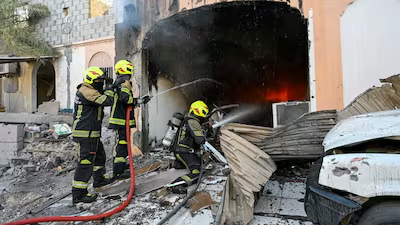
Some attacks attributed by Bahrain to Iranian-backed groups have struck a water desalination plant, residential neighborhoods, and other civilian sites, causing significant damage and posing direct threats to civilian populations. The targeting of essential infrastructure, such as desalination plants, could have severe humanitarian and economic repercussions for the affected areas. These incidents show broader concerns regarding maritime security in the region, particularly in critical waterways. China’s UN envoy, Fu Cong, called for shipping through the Strait of Hormuz to resume immediately, emphasizing the urgency of maintaining freedom of navigation. Cong stated that the Strait was a key international waterway and that its security and stability were vital for global energy supply and the stability of the international economy. He emphasized the importance of maintaining unimpeded navigation through the waterway, noting the global economic reliance on this passage. The Strait of Hormuz, a critical maritime choke point through which a substantial portion of the world's oil transits, has been the scene of past tensions involving commercial shipping, making its security a critical concern for international trade and energy markets.
Iran's Counter-Accusations and UN Response
Attacks attributed to Iranian-backed groups have also targeted Kuwait International Airport, disrupting air travel and demonstrating the wide geographical reach of these alleged operations. The targeting of an international airport further illustrates the intent to impact civilian life and critical infrastructure beyond specific strategic sites. In response to Bahrain's allegations, Iran's ambassador countered by accusing Bahrain and other Gulf states of enabling US-Israeli aggression within the region. The ambassador claimed that these nations were complicit in actions that threaten regional peace and stability, thereby deflecting the accusations leveled against Iran. This exchange of accusations notes the deeply entrenched geopolitical rivalries and the complex security landscape prevalent in the Arabian Gulf. The United Nations has consistently called for de-escalation from all parties involved, urging dialogue and diplomatic solutions to resolve the escalating tensions and ensure the safety of civilian populations and critical infrastructure. The international community continues to monitor the situation closely, advocating for measures that can prevent further conflict and safeguard maritime and regional security.