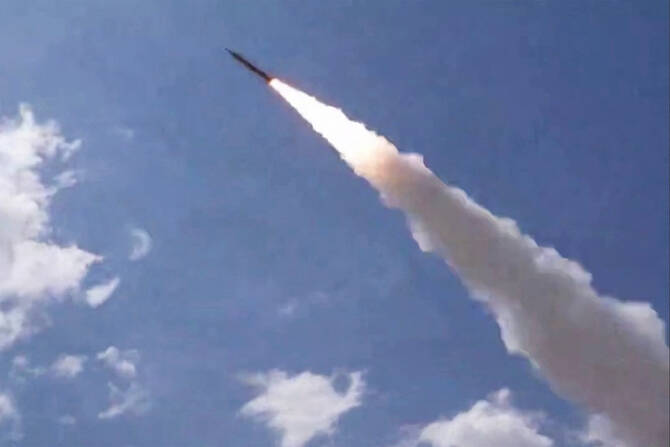
U.S. Forces conducted bombings in Iran's south and west on Tuesday as regional tensions escalated dramatically across the Middle East. The strikes followed a weekend during which U.S. Troop deaths increased to 17, marking a grim escalation in the ongoing conflict. Iranian state media reported that Iranian forces, in response, targeted accommodation facilities used by U.S. Military personnel at Bahrain's Sheikh Isa Air Base. The Guards also stated they attacked a U.S. Military site located in Jordan, further widening the scope of the confrontations. The series of events marks a significant increase in direct military exchanges between the United States and Iran, moving beyond proxy conflicts to direct retaliatory actions.
US Strikes Iranian Targets
The war between the United States and Iran commenced on February 28 with U.S.-Israeli attacks targeting Iran, setting the stage for the current wave of hostilities. In its most recent series of strikes on Tuesday, U.S. Central Command stated it had engaged Iranian military command centers, maritime capabilities, missile and drone launch sites, and air defense systems. This full targeting aimed to degrade Iran's military infrastructure and its ability to project power in the region. Explosions were reported around the city of Shiraz in southern Iran following these operations, indicating the precision and impact of the U.S. Assaults. State media indicated that additional locations also came under attack, showing the widespread nature of the U.S. Offensive. These included Konarak and Chabahar on the southern coast, both strategically important locations. Further west, the city of Khorramabad and a civilian site located outside the city of Abdanan were also targeted, according to Iranian state media, suggesting a broad geographic scope for the U.S. Military actions. The U.S. Central Command's detailed account of its targets notes the strategic nature of the strikes, focusing on key components of Iran's military and defensive capabilities.
Iran's Retaliatory Attacks
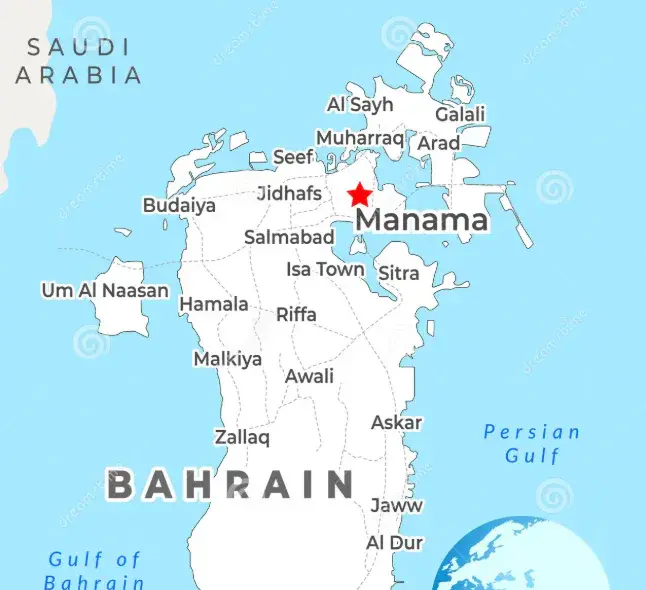
Iran responded swiftly, targeting U.S. Sites in Bahrain, Kuwait, and Jordan on Tuesday, according to official statements from Tehran. Iran's Revolutionary Guards stated they targeted infrastructure in Bahrain belonging to U.S. Tech company Amazon. This action was described as retaliation for what they called a U.S. Strike on the construction site of Iran's planned Darkhovin nuclear power plant, a critical piece of Iran's nuclear energy program. The Revolutionary Guards specifically claimed the Amazon facility was targeted due to its perceived connection to U.S. Interests in the region, following the alleged attack on Iranian nuclear infrastructure. This move signaled Iran's willingness to target not only military installations but also economic interests perceived as linked to its adversaries. Iranian state media reported that Iranian forces also targeted accommodation facilities used by U.S. Military personnel at Bahrain's Sheikh Isa Air Base, directly aiming at U.S. Military presence in the Gulf nation.
The Iranian army also announced it launched drone attacks against three U.S. Military bases in Kuwait on Tuesday. These drone operations were reported as part of Iran's broader response to the escalating tensions and U.S. Military actions in the region, demonstrating Iran's capability to deploy unmanned aerial vehicles for offensive purposes. The specific bases targeted in Kuwait were not detailed in the Iranian army's statement, but the claim indicated a coordinated effort to strike multiple U.S. Installations, aiming to inflict damage and send a clear message of deterrence. The Guards also stated they attacked a U.S. Military site located in Jordan, further extending the reach of Iran's retaliatory actions and indicating a multi-front response.
Jordanian forces, in turn, reported that they intercepted and destroyed five Iranian drones. This interception notes the regional spread of the recent hostilities, with Iranian drones attempting to penetrate Jordanian airspace, a country that shares a border with Iraq and Syria and hosts U.S. Military assets. The precise targets or intended routes of these drones were not immediately clear, but their destruction by Jordanian forces shows the heightened air defense measures in the area and the active role regional allies are playing in countering Iranian aggression.
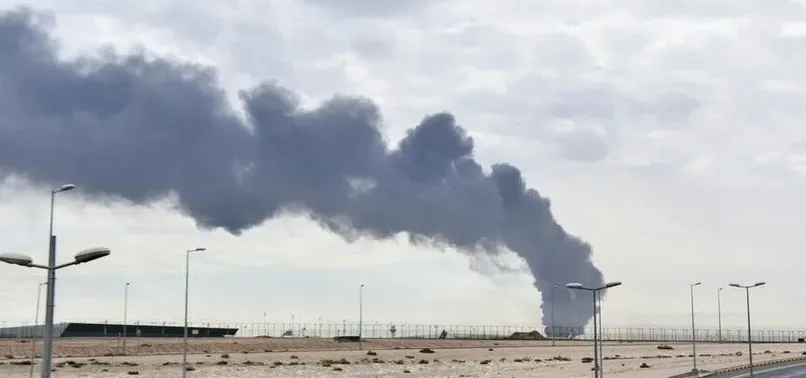
Separately, attacks on Kuwaiti power generation and water desalination plants on Monday caused fires. These critical infrastructure facilities are vital for Kuwait's energy and water supply. Authorities stated that these fires had been extinguished by Tuesday and repairs were underway, indicating a swift response to mitigate the damage. The nature of these attacks and their perpetrators were not immediately attributed in the provided information, but they occurred amidst the broader regional escalation, raising concerns about potential sabotage or indirect attacks on civilian infrastructure.
The ongoing conflict has resulted in the deaths of thousands of people, primarily in Iran and Lebanon. This casualty count reflects the severe human cost of the sustained hostilities in the Middle East, with civilian populations often bearing the brunt of the violence. The widespread loss of life shows the devastating impact of the escalating military engagements.
Strait of Hormuz and Shipping
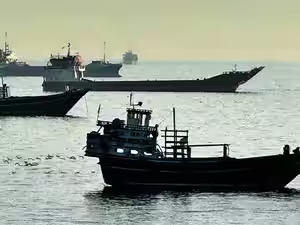
A tanker was struck in the Strait of Hormuz on Tuesday, prompting immediate concerns over maritime safety and the security of global energy supplies. The maritime security agency UKMTO reported on Tuesday that a tanker in the strategic waterway indicated it had been hit by an unidentified projectile. The crew subsequently abandoned the vessel, boarding a lifeboat for safety, noting the immediate danger posed by the attack. Iran's Revolutionary Guards claimed two oil tankers caught fire after explosions while attempting to traverse the southern route of the Strait of Hormuz, which is one of the world's most critical chokepoints for oil transit. This claim, if confirmed, would indicate a direct targeting of commercial shipping by Iranian forces, significantly raising the stakes in the maritime domain.
The incidents have coincided with a notable decrease in shipping traffic through the key chokepoint. Data from Kpler, a leading provider of commodity intelligence, showed that just four commodity vessels crossed the Strait of Hormuz on Monday, a significant reduction from seven the previous day. This slowdown shows the immediate impact of the escalating regional tensions on vital shipping lanes, as shipping companies assess the risks of operating in the increasingly volatile area. The Strait of Hormuz, linking the Persian Gulf with the open sea, is key for oil shipments, with a substantial portion of the world's seaborne oil passing through it daily. Any disruption there has significant international implications for global energy markets and supply chains.
Further complicating global maritime trade, a potential full closure of the Bab el-Mandeb strait, another critical waterway located between Yemen and Djibouti, could reduce global oil supply by 7%. This stark statistic notes the interconnectedness of maritime chokepoints and the potential for a cascading effect on global trade if tensions continue to escalate. The reported attacks and reduced transits in the Strait of Hormuz highlight the direct consequences of the ongoing hostilities on energy markets and global supply chains, leading to increased insurance premiums and operational costs for shipping companies.
Broader Context and Warnings
In the diplomatic sphere, Lebanese President Joseph Aoun is scheduled to meet with Donald Trump at the White House on Tuesday. This high-level meeting suggests an effort to engage with regional leaders amidst the escalating crisis, potentially to discuss de-escalation or regional stability. Meanwhile, a senior Iranian official informed Reuters on Monday that Tehran had received a proposal from mediators for a 10-day ceasefire, indicating that despite the military clashes, channels for negotiation might still be open. This proposal could offer a temporary reprieve and an opportunity for de-escalation, though its acceptance and implementation remain uncertain.
In Yemen, the Iran-aligned Houthis announced on Monday their intention to impose a naval blockade on Saudi Arabia, a significant escalation of their long-standing conflict with the Saudi-led coalition. The Houthis also stated that shipping companies loading or discharging cargo at Saudi ports could be targeted "in any location," according to an email sent to companies on Monday and seen by Reuters. This threat extends the potential conflict zone to international waters and poses a direct risk to commercial shipping bound for Saudi Arabia, further destabilizing maritime trade in the Red Sea and surrounding areas. The U.S. State Department, recognizing the gravity of the situation, issued a new "worldwide caution" for Americans due to "heightened tensions in the Middle East," advising U.S. Citizens to exercise increased vigilance and caution when traveling abroad, particularly in the affected region. This advisory reflects the widespread concern among international governments regarding the safety of their citizens amidst the rapidly deteriorating security landscape.