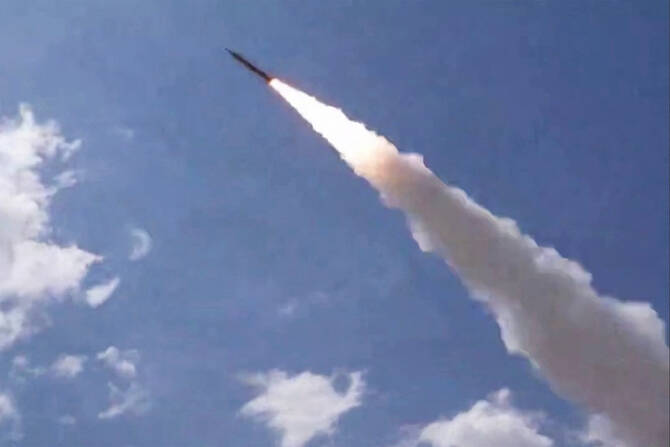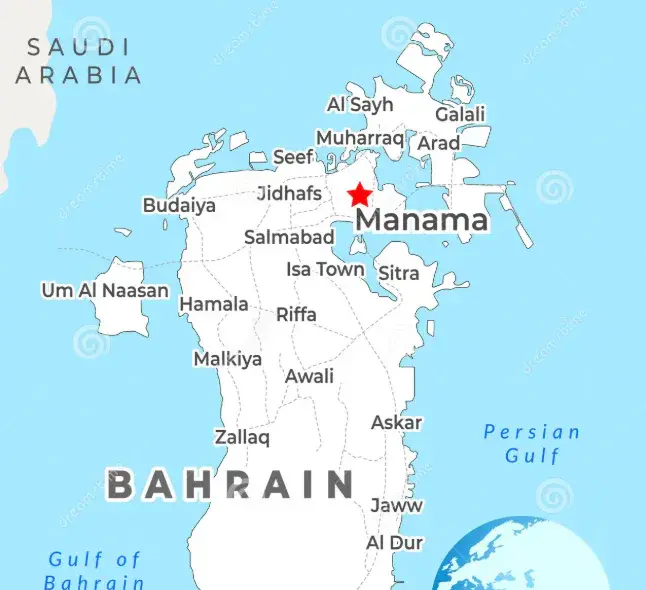
Kuwait's air defenses intercepted "hostile" drones early Monday, the country's military announced, as Bahrain simultaneously urged its citizens to seek shelter amid escalating regional tensions. The Kuwaiti Ministry of Defense stated the interceptions occurred over its territorial waters, specifically noting the successful engagement of the unmanned aerial vehicles. Separately, Bahrain's National Emergency Management Authority issued an alert via its official social media channels, advising residents to remain indoors and take safety precautions. The authority's message did not specify the nature of the immediate threat but emphasized the urgent need for immediate shelter and adherence to safety protocols. These incidents follow recent heightened security concerns across Gulf nations, noting the volatile geopolitical climate in the region. Importantly, no immediate casualties or damage were reported in either Kuwait or Bahrain following the alerts and interceptions.
Incidents Unfold Across Gulf
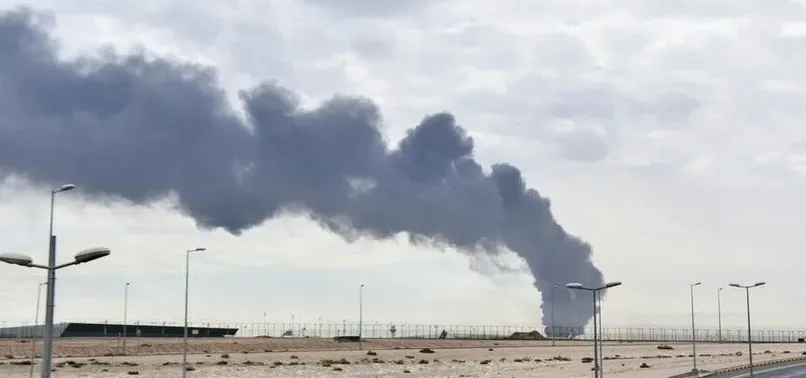
Bahrain activated its warning sirens early Monday, a development that prompted residents across the island nation to take immediate precautions. The blaring sirens served as a clear signal for the populace to seek safety indoors. Separately, the Kuwaiti army stated its air defense systems were actively responding to what it described as "hostile" attacks originating from beyond its borders. The army further characterized the incidents as "blatant Iranian aggression," directly attributing the threats to Tehran and showing the severity of the situation. Authorities confirmed that any explosions heard across Kuwait were a direct result of these air defense systems effectively intercepting incoming threats, rather than impacts from hostile projectiles. The Interior Ministry in Kuwait urged citizens and residents to remain calm during the unfolding events, instructing them to head to the nearest safe place and await further instructions. This coordinated response aimed to mitigate panic and ensure public safety.
Background of Rising Tensions
Regional tensions have significantly escalated since the United States and Israel launched a joint offensive against Iran in February. This offensive marked a critical turning point, intensifying the long-standing animosity between the involved parties. Following this initial offensive, Tehran retaliated with a series of drone and missile strikes, specifically targeting Gulf nations that host U.S. Assets. These retaliatory actions further destabilized the region and put various countries on high alert. Despite these previous hostilities and the ongoing friction, the United States and Iran signed a Pakistani-mediated memorandum of understanding last month, aiming to resolve their conflict through diplomatic channels. The memorandum represented a fragile attempt to de-escalate the situation and find a peaceful resolution. However, this period of hopeful diplomacy was short-lived, as tensions escalated once again last week over the strategic Strait of Hormuz. During this recent period of heightened confrontation, the United States and Iran exchanged attacks in the vital waterway, demonstrating the persistent fragility of peace and the potential for rapid escalation in the region.
Official Statements and Impact
No immediate casualties or damage were reported in either Kuwait or Bahrain following the incidents, a fact that authorities quickly confirmed to reassure the public. The Kuwaiti army described the attacks as "blatant Iranian aggression," asserting that its air defense systems were responding effectively to "hostile" threats aimed at its sovereignty and security. This strong language from Kuwait directly implicates Iran in the recent events. Separately, in Bahrain, the Interior Ministry announced the activation of warning sirens as a precautionary measure, a standard protocol in times of potential threat. These measures were taken to advise residents to seek shelter and remain indoors, prioritizing the safety and well-being of the civilian population. The incidents show an alarming increase in regional tensions, with Kuwait directly attributing the aggression to Iran, suggesting a direct confrontation. Authorities in both nations focused intensely on ensuring public safety and maintaining calm among their populations during the alerts, emphasizing preparedness and rapid response capabilities. The coordinated actions highlight the serious nature of the threats perceived by these Gulf states.