The United Arab Emirates (UAE) Armed Forces have deployed at least one Chinese-supplied FK-2000 medium-range defense system for operations in Bahrain. The deployment comes as the region faces ongoing security challenges, particularly an increase in aerial threats. The FK-2000, manufactured by China Aerospace Science and Industry Corporation (CASIC), is a sophisticated system specifically designed for air defense capabilities, providing a strong layer of protection against various aerial targets. This move notes a concerted effort among Gulf nations to bolster their defenses.
New Gulf Air Defense Capability
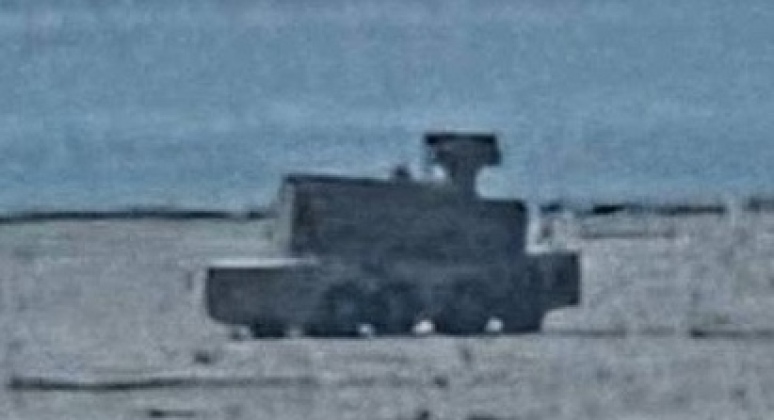
FK-2000 systems were not known to be operational in the Gulf region prior to this current deployment. The China Aerospace Science and Industry Corporation (CASIC) developed the FK-2000, which features an 8x8 off-road chassis, providing significant mobility for rapid deployment and repositioning across diverse terrains. Each FK-2000 launcher is a full unit, integrating two 6-barrel 30mm cannons along with 12 anti-aircraft missiles, offering a multi-layered defense approach. The system is engineered to intercept a wide range of aerial threats, including armed helicopters, low-altitude drones, and cruise missiles, making it a versatile asset in modern air defense. The FK-2000 system's role is broadly equivalent to that of the Russian Pantsir-S air defense combat vehicle, offering a similar scope of defensive capabilities and operational flexibility. This deployment marks a new type of advanced air defense capability being introduced into the Gulf region's security architecture.
Sudanese Combat Record
FK-2000 systems were previously thought to have been procured to equip the Rapid Support Force mercenary organisation, which is currently engaged in conflict with the Sudanese government. The air defense system has seen numerous combat operations in Sudan, providing valuable real-world performance data. During these engagements, the FK-2000 has been credited with successfully shooting down drones, demonstrating its effectiveness against unmanned aerial vehicles, and an Il-76 transport aircraft, showcasing its capability against larger, more traditional aircraft. These combat successes show the system's operational readiness and effectiveness in challenging environments. The FK-2000 was initially unveiled to the public at the Zhuhai Airshow in 2021, where its specifications and capabilities were first showcased, prior to its documented use in military engagements.
Regional Security Context
Bahrain has been subjected to intensified Iranian missile and drone strikes, contributing significantly to the broader regional security concerns. These incidents reflect a marked escalation of tensions in the area, necessitating enhanced defensive measures. The deployment of advanced air defense systems in Bahrain, such as the FK-2000, is a direct response to the increased threat posed by these persistent aerial assaults. Such measures are often taken by regional partners to counter perceived or actual security challenges and to ensure the protection of critical infrastructure and populations. The recent strikes have showed the urgent need for strong defensive capabilities among Gulf nations, prompting collaborative efforts to strengthen regional air defense networks.
Implications and Future
The deployment of the Chinese-supplied FK-2000 system to Bahrain introduces a new dimension to regional air defense strategies amidst escalating tensions. This marks the first known operational use of the FK-2000 in the Gulf region, following its documented combat record in Sudan where it successfully intercepted drones and an Il-76 transport aircraft, proving its efficacy in active conflict zones. The strategic move by the United Arab Emirates (UAE) Armed Forces to equip Bahrain with this system suggests a collaborative approach among Gulf nations to enhance their defensive capabilities against prevalent threats like Iranian missile and drone strikes. The integration of advanced Chinese military technology into Gulf security frameworks could signal a significant shift in procurement patterns and alliances, potentially influencing future defense acquisitions and military cooperation in the region. This development shows a growing trend of diversifying military hardware sources among Gulf states to meet evolving security demands.