Somaliland's ambassador to Israel, Mohamed Hagi, announced on Tuesday that Somaliland plans to open an embassy in Jerusalem. This declaration comes amidst a broader diplomatic landscape where the United Arab Emirates (UAE) and Bahrain, both members of the Gulf Cooperation Council (GCC) that have normalized relations with Israel, notably did not join the widespread condemnation of this move. Their abstention from the joint denunciation shows a complex and evolving dynamic within the region's diplomatic alliances.
Widespread Condemnation Issued
Widespread condemnation of Somaliland's proposed embassy in Jerusalem emerged from numerous countries. Foreign ministers from Kuwait, Oman, Qatar, and Saudi Arabia joined Egypt, Jordan, Turkey, Pakistan, Indonesia, Djibouti, Somalia, Palestine, Sudan, Yemen, Lebanon, Mauritania, Algeria, Bangladesh, and Morocco in denouncing the move. These nations described the action as an "illegal and unacceptable step taken by the so-called Somaliland region in opening its purported embassy in occupied Jerusalem." The collective statement noted concerns over the perceived violation of international norms and the status of Jerusalem.
The international community largely views East Jerusalem as occupied territory under international law. This perspective stems from the fact that Israel wrested control of East Jerusalem from Jordan during the 1967 war. The establishment of any diplomatic mission in Jerusalem by an entity seeking international recognition is therefore a highly sensitive issue, often seen as prejudicing the final status negotiations between Israelis and Palestinians.
Israel became the first and only state to recognize Somaliland in 2025, according to a claim regarding the proposed diplomatic shift. This recognition, if it materializes as claimed, would mark a significant departure from the international consensus that has largely withheld recognition from Somaliland since its declaration of independence.
GCC Dynamics and Regional Ties
Within the Gulf Cooperation Council, a clear division emerged. Foreign ministers from Kuwait, Oman, Qatar, and Saudi Arabia collectively condemned Somaliland's decision to open an embassy in Jerusalem. This unified stance from four key GCC members signaled a strong regional objection to the move. Further amplifying this regional disapproval, GCC Secretary-General Jasem Mohamed Albudaiwi denounced the proposed embassy move, stating it represents a "violation of international and United Nations laws." His remarks showed the perceived breach of international legal frameworks concerning Jerusalem's status and the sovereignty of states.
In contrast to these condemnations, the United Arab Emirates and Bahrain, both of which have normalized relations with Israel under the Abraham Accords, did not participate in the joint statement. This divergence notes the shifting geopolitical alignments in the Middle East, where some Arab states are prioritizing diplomatic engagement with Israel, even on issues traditionally considered sensitive.
The United Arab Emirates' relationship with Somaliland has been established since 2017, predating some of the more recent regional realignments. This existing connection adds another layer of complexity to the UAE's position. More recently, in January, Saudi Arabia accused the UAE of facilitating the transfer of Yemeni separatist leader Aidarous al-Zubaidi from Yemen to Somaliland. This accusation pointed to a potentially deeper and more intricate web of regional influence and proxy engagements. Somalia responded angrily to these allegations, severing the UAE’s commercial and military contracts within Somaliland. This retaliatory move by Somalia demonstrated the high stakes involved in regional power plays and the strong reactions they can provoke from sovereign nations.
Somaliland's Diplomatic Ambitions
Somaliland’s ambassador to Israel, Mohamed Hagi, stated that Israel will also establish its embassy in Hargeisa, Somaliland's capital. Hagi commented on the reciprocal move, saying, "Israel will also establish its embassy in Hargeisa, reflecting growing friendship, mutual respect, and strategic cooperation between our two peoples." This reciprocal embassy establishment would be a monumental step for Somaliland, significantly boosting its claims for international recognition.
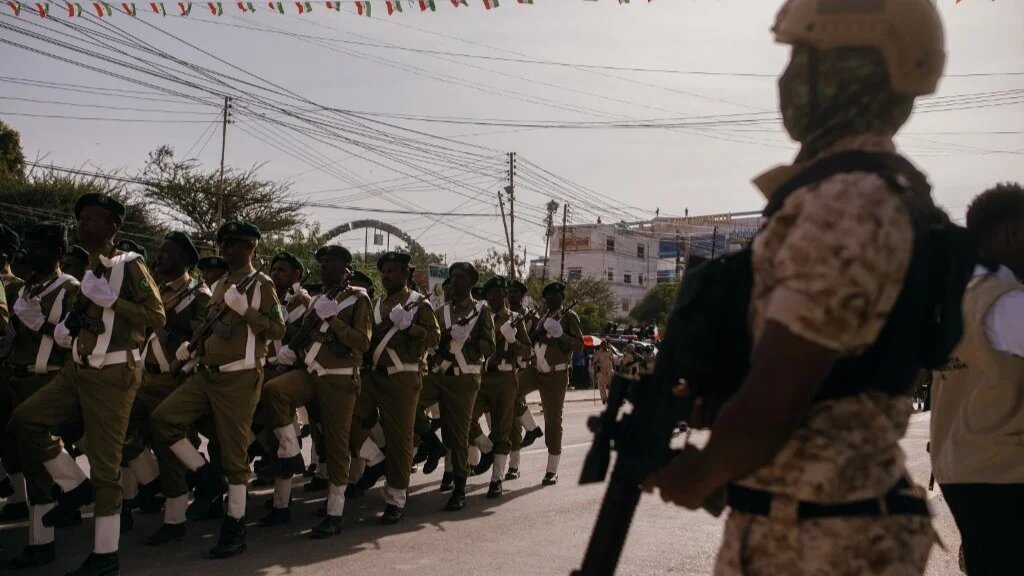
Somaliland declared independence from Somalia in 1991, following the collapse of Somalia's central government. However, despite its long-standing de facto independence and functioning government, the international community still recognizes it as part of Somalia. The proposed establishment of diplomatic missions with Israel marks a significant step for Somaliland, which seeks broader international recognition for its sovereignty. Prior to this development, no United Nations member state had officially recognized Somaliland as an independent country, making any recognition by Israel a potential breakthrough in its decades-long quest for statehood. This diplomatic gambit with Israel is therefore a calculated move to break its international isolation and solidify its aspirations for full sovereignty on the global stage.