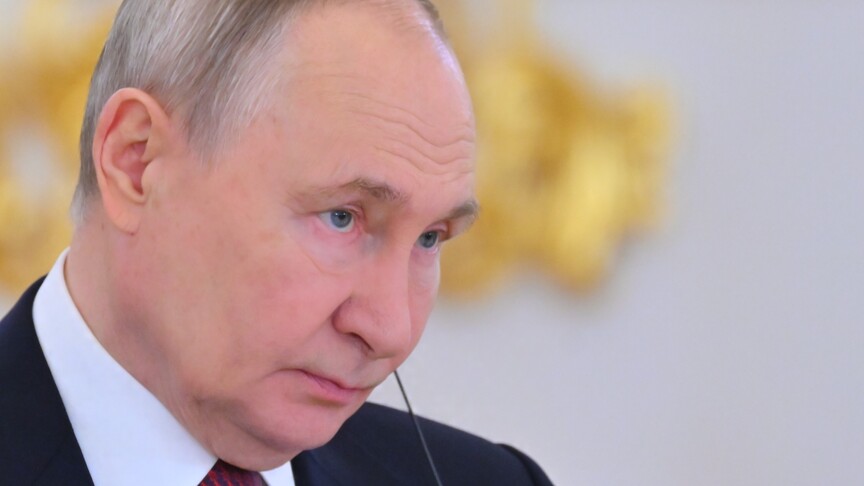
Russian President Vladimir Putin and Bahrain’s King Hamad bin Isa Al Khalifa reaffirmed their commitment to strengthening bilateral cooperation on Monday during a phone conversation. The two leaders discussed enhancing ties across various sectors, including trade, investment, finance, and humanitarian affairs. Their full dialogue also touched upon critical regional developments, particularly the ongoing crisis surrounding Iran, emphasizing a shared desire for diplomatic resolution.
Strengthening Bilateral Cooperation
Russian President Vladimir Putin and Bahrain’s King Hamad bin Isa Al Khalifa conducted a phone conversation on Monday, focusing on the expansion of their bilateral relationship. The two leaders emphasized their shared commitment to deepening cooperation across several key areas, aiming to foster mutual growth and stability. Discussions covered proposals to boost collaboration in trade, aiming to increase the volume and diversity of goods exchanged between Russia and Bahrain. This includes exploring new markets and streamlining trade processes to enhance economic flow between the two nations.
Investment opportunities were also a significant point of discussion, with both leaders exploring avenues for mutual financial growth and partnership. This encompassed potential joint ventures and strategic investments in sectors vital to both economies. The conversation further addressed enhanced cooperation in the financial sector, seeking to strengthen economic ties and stability through improved banking relations and financial mechanisms. Additionally, humanitarian affairs were on the agenda, indicating a desire to collaborate on initiatives that benefit both nations and potentially the wider Middle East region. This dialogue shows ongoing efforts to solidify the strategic partnership between Russia and Bahrain, reflecting a long-term vision for strong and multifaceted cooperation. The leaders expressed satisfaction with the current trajectory of their relationship and committed to further high-level engagements.
Diplomatic Path for Iran
The two leaders also discussed recent developments in the Middle East, according to a Kremlin statement published on the Russian social media platform Max. During their conversation, Russian President Vladimir Putin and Bahrain’s King Hamad bin Isa Al Khalifa showed the importance of a swift political and diplomatic resolution to the crisis surrounding Iran. They emphasized that any such resolution must take into account the interests of all countries in the region, ensuring a balanced and sustainable outcome. The dialogue between Putin and King Hamad noted a shared perspective on the necessity of de-escalation and diplomatic engagement to address regional tensions effectively. Their discussion signals a desire for a full approach that considers the varied concerns of states bordering Iran and seeks stability through non-military means. Both leaders agreed on the need for continued dialogue among regional and international stakeholders to achieve lasting peace and security in the Persian Gulf.
Escalation and Ceasefire
Regional tensions have escalated significantly since the United States and Israel launched strikes against Iran in February. These actions led to a period of heightened conflict in the Middle East, drawing international concern and calls for restraint. The strikes marked a considerable uptick in hostilities, creating a volatile environment across the region.
Tehran responded to these strikes by targeting Israel and US allies in the Gulf, demonstrating a clear determination to retaliate against perceived aggressions. Iran also announced the closure of the Strait of Hormuz, a critical maritime passage for global oil supplies, further intensifying the regional situation and raising fears of broader economic disruption. This move was seen as a direct challenge to international shipping and a significant escalation tactic.
Following this period of intense exchanges, a ceasefire subsequently took effect on April 8, which was brokered through Pakistani mediation. This initial agreement provided a much-needed pause in hostilities, offering a glimmer of hope for de-escalation. The ceasefire was later extended indefinitely by US President Donald Trump, aiming to solidify the de-escalation efforts and prevent a renewed cycle of violence. The extension of the ceasefire showed the international community's desire for a prolonged period of calm to allow for diplomatic solutions to take root.