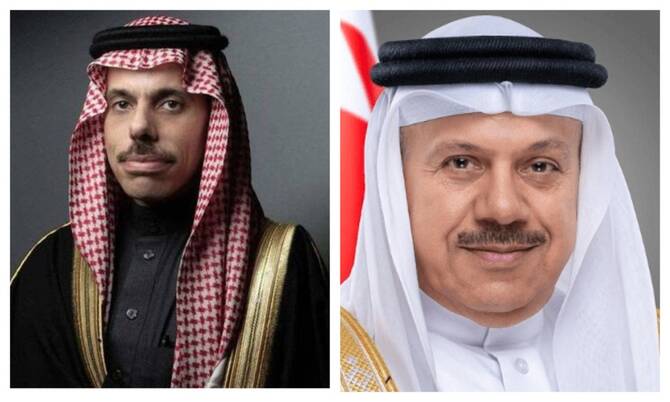
Saudi Foreign Minister Prince Faisal bin Farhan condemned "brutal" Iranian attacks targeting Bahrain during a phone call with his Bahraini counterpart on Thursday. The condemnation from Riyadh came as regional tensions remain high, following recent military actions reported by Bahrain. Prince Faisal bin Farhan conveyed Saudi Arabia's strong stance against actions that threaten the security and stability of its allies in the Gulf. The phone call showed Riyadh's solidarity with Manama following the alleged assaults, emphasizing the Kingdom's unwavering support for its neighbor.
Regional Security Concerns
Discussions between Prince Faisal bin Farhan and his Bahraini counterpart covered serious developments in the region, reflecting the escalating concerns over security. They emphasized the importance of concerted efforts and enhanced joint coordination to maintain regional security and stability, particularly in light of recent events. Prince Faisal affirmed Saudi Arabia's full solidarity with Bahrain and its support for all measures taken by the country to protect its security, territorial integrity, and citizens. This affirmation from the Saudi Foreign Minister noted the deep commitment Riyadh has to its Gulf allies. Riyadh's position shows a broader concern for stability across the Gulf Cooperation Council (GCC) states, where collective security is a critical issue. The Saudi Foreign Minister's statement further noted the Kingdom's commitment to its allies in the face of external threats, reiterating the strategic importance of regional cooperation. The dialogue between the two foreign ministers served to reinforce the strong bilateral ties and the shared objective of safeguarding regional peace.
Diplomatic Engagements
Prince Faisal bin Farhan later received a phone call from his Egyptian counterpart, Badr Abdelatty, as part of ongoing diplomatic efforts. The communication between the two officials focused on the latest regional developments, according to sources familiar with the discussions, indicating a broad consultation on pressing issues. During their call, Prince Faisal and Badr Abdelatty discussed the latest regional developments and the continuation of coordination and consultation in this regard. This exchange noted the shared commitment of both nations to address the evolving security landscape. They emphasized the importance of sustained coordination and consultation regarding these unfolding events, recognizing the need for a united front. Their conversation noted a mutual commitment to addressing the evolving situation through continued diplomatic engagement and strategic dialogue. The exchange between the Saudi and Egyptian foreign ministers shows the broader regional effort to manage security challenges and maintain stability across the Middle East. Both officials reiterated the necessity of close collaboration to navigate the complexities of the current geopolitical landscape and ensure collective security. This high-level diplomatic interaction signals a concerted effort among key regional players to de-escalate tensions and foster stability.
Bahrain's Defense Actions
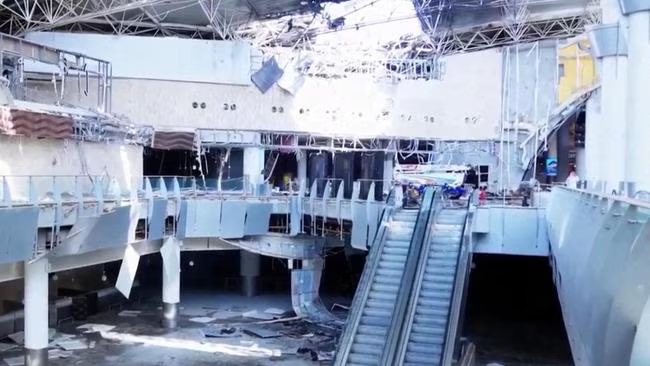
Bahrain's Defense Ministry announced on Wednesday that its military successfully intercepted and destroyed three missiles and an unspecified number of drones. The ministry stated that these projectiles were fired by Iran, marking a significant accusation. The defensive action occurred amidst heightened regional tensions, showing Bahrain's efforts to safeguard its airspace and national sovereignty. The incident marks a direct military engagement reported by Bahrain involving Iranian-launched munitions, signaling a serious escalation. The announcement from the Defense Ministry provided details on the nature of the intercepted threats, specifying both missiles and drones, which were neutralized before reaching their targets. This report comes as regional powers navigate complex security challenges and a volatile geopolitical environment, with nations on high alert. The successful interception demonstrates Bahrain's military readiness and its capacity to defend against aerial threats, further contributing to the regional security narrative.