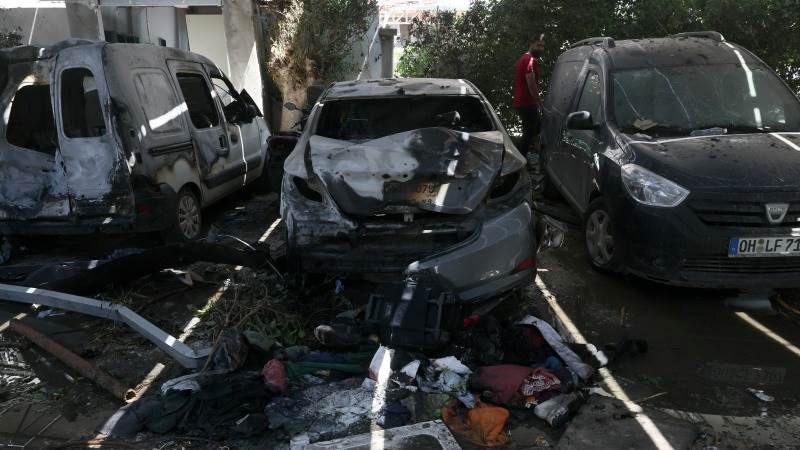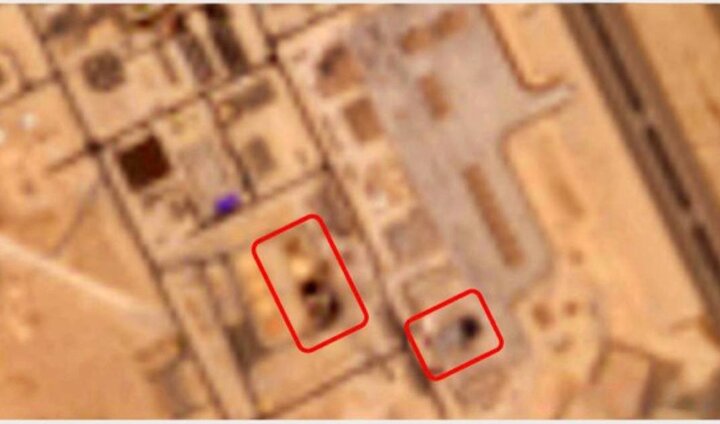
Newly released satellite imagery has revealed significant signs of damage at several installations in Bahrain, according to recent analysis. These fresh satellite images distinctly show damage at specific locations within Bahrain, indicating the measurable impact of recent strikes launched by Iran. The full imagery offers a detailed visual assessment of the aftermath at these various sites, providing critical insights into the extent of the impact. This visual evidence plays a key role in understanding the consequences of the recent regional escalation.
Specific Site Damage Detailed
Reports by Al-Mehwar News indicate that a radar site situated in the Jabal ad-Dukhan region was specifically targeted. The strikes resulted in the destruction of parts of its infrastructure, a significant blow to its operational capabilities. Further analysis of the imagery later revealed substantial damage at the Shaikh Isa Air Base, a key military installation. Within this facility, impacts were clearly observed on critical infrastructure, including fuel storage tanks and a large warehouse or hangar. These findings suggest a deliberate targeting of logistical and operational assets. Additionally, the protective dome, known as a radome, which covers the sensitive radar system at the site, sustained considerable damage. This particular damage to the radome could impair the functionality of the radar system, affecting its ability to detect and track aerial targets. The precision of these strikes, as indicated by the satellite imagery, notes the sophistication of the weapons used and the intelligence guiding their deployment. The visual confirmation of these impacts provides a concrete basis for assessing the scale of the damage inflicted.
Context of Iranian Retaliation
The Islamic Republic of Iran had previously stated its intention to target Washington's positions in Bahrain. These actions by Tehran were explicitly described as a direct response to perceived US aggressions against Iranian territory. The retaliatory strikes show the heightened tensions that have been simmering in the region, bringing to the forefront the potential for direct confrontation. Iran's actions are presented as a measure of deterrence and a demonstration of its capacity to respond to perceived threats, further complicating the already volatile geopolitical landscape. The targeting of facilities in Bahrain, a key US ally and host to significant American military presence, signals a direct challenge to US interests and influence in the Middle East.
Uncertainty Over Extent
Despite the clear visual evidence provided by the satellite imagery, further details regarding the exact extent of the damage at the Bahraini military sites and their current operational status have not been officially released. Official sources have maintained silence on the full impact of the strikes, leaving many questions unanswered. This lack of full information from official channels leaves the complete picture of the damage unclear and subject to speculation. The absence of detailed assessments makes it challenging to fully comprehend the long-term implications for the affected installations and the broader military readiness in the region.
Broader Regional Implications
The confirmed damage at Bahraini military sites, as evidenced by the newly released satellite imagery, indicates that recent Iranian strikes impacted US military and logistical infrastructure. This assessment is key for understanding the strategic implications of these attacks. These strikes suggest potential broader implications for American assets and operations within the region, given Bahrain's role as a host nation for significant US military presence. The deliberate targeting of facilities used by international forces could signal an escalation in the ongoing tensions between Iran and its regional adversaries, most notably the United States. Such incidents show the volatile security landscape and the potential for wider conflict affecting strategic military installations across the Middle East. The nature of the targets and the precision of the strikes could influence future military planning and defensive postures for all parties involved, potentially leading to a re-evaluation of security protocols and defensive capabilities in the region. The sustained silence from official sources regarding the full extent of the damage only adds to the uncertainty surrounding the long-term strategic consequences of these impactful events.