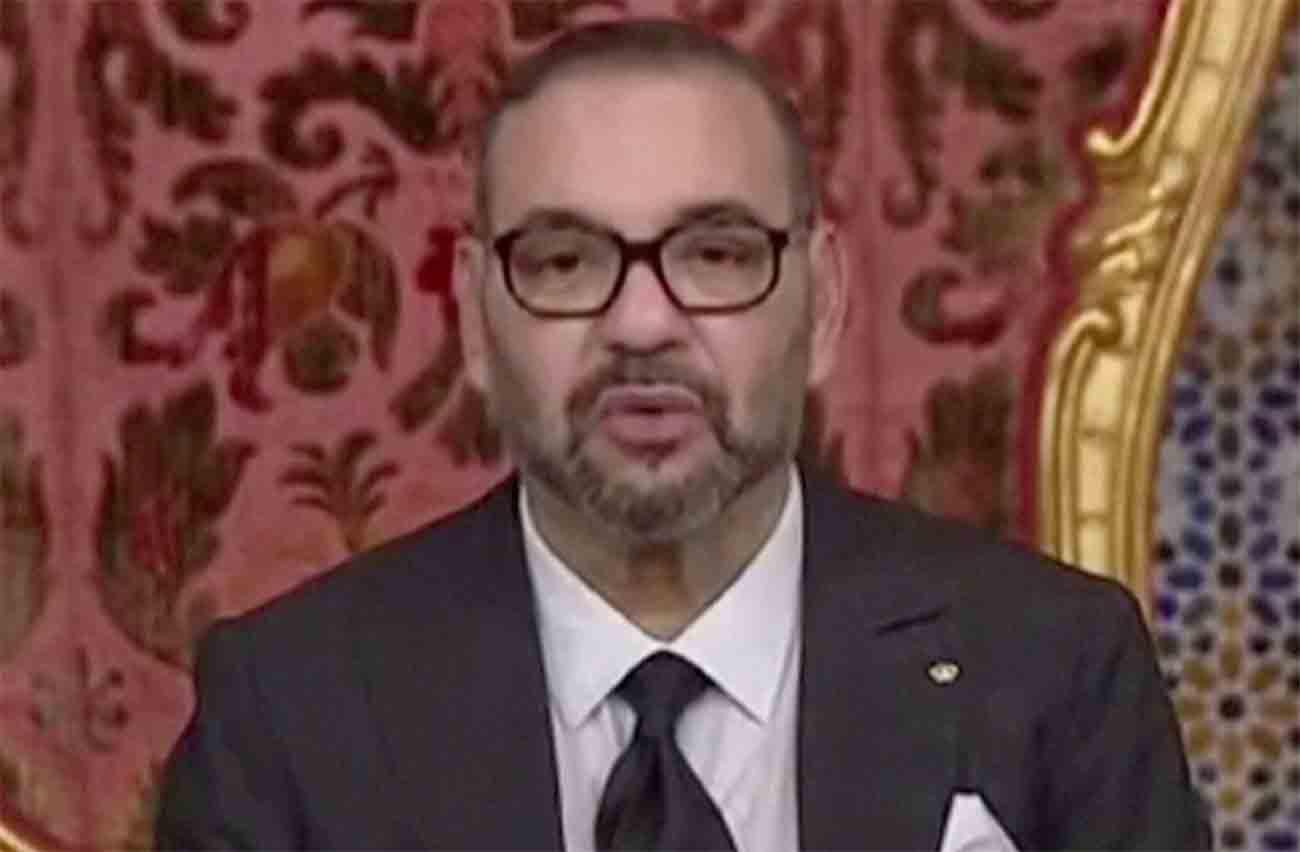
Morocco’s King Mohammed VI recently dispatched a written message to King Hamad bin Isa Al Khalifa of Bahrain, affirming Rabat’s unwavering solidarity with the Gulf nation. This significant diplomatic gesture saw King Mohammed VI personally sending the communication to his Bahraini counterpart. The message showed a "one-fate" doctrine, directly linking the national security of Morocco to that of Bahrain and the broader Gulf Cooperation Council (GCC). This powerful declaration of unity comes amidst heightened regional tensions in the Arabian Gulf, explicitly condemning recent Iranian military strikes on Bahrain.
Iranian Aggression Detailed
The recent aggression in the region, which prompted Morocco's strong condemnation, refers to an escalation of conflict that erupted in early 2026. Iranian attacks did not differentiate between military and civilian targets, striking military and civilian facilities, residential neighborhoods, and national infrastructure. This indiscriminate targeting caused widespread concern across the region. In March and April 2026, Iran launched a series of drone and missile strikes targeting critical digital and energy hubs in the Gulf. These sophisticated attacks aimed to disrupt vital regional services. Bahrain was identified as a primary target of these 'digital chokepoint' operations, hosting significant regional data infrastructure, including Amazon Web Services (AWS) nodes, making its digital infrastructure a strategic asset. The 2026 strikes hit residential areas in and around Manama, causing civilian casualties and significant damage to non-military housing. Additionally, Bahrain has been battling a 'shadow' campaign of cyberattacks and attempts to incite domestic unrest, which are attributed to Iranian intelligence services, further exacerbating the regional instability.
Morocco's 'One Fate' Doctrine
Morocco expressed full support for Bahrain's measures aimed at safeguarding national cohesion and countering foreign interference. The Royal Office described the recent actions as "reprehensible Iranian aggression," according to an official statement. This declaration shows Rabat's firm stance against external forces perceived to undermine Bahrain's sovereignty and internal stability, noting the seriousness with which Morocco views these events.
King Mohammed VI conveyed his confidence that Bahrain would emerge from the ordeal "stronger and more stable." This sentiment was part of a broader message affirming Morocco's steadfast solidarity. The King's message emphasized a shared destiny between the two nations, reinforcing the "one-fate" doctrine that links Morocco's national security directly to that of Bahrain and the wider Gulf Cooperation Council. The Moroccan monarch's communication noted the kingdom's commitment to supporting its allies in the face of regional challenges, asserting that the safety and stability of one nation are intrinsically tied to the other.
Regional Context and Solidarity
The message condemned recent Iranian military strikes on Bahrain in the strongest terms, leaving no ambiguity about Morocco’s position. Morocco maintained that the safety of Bahrain is inseparably linked to the safety of Morocco itself. Rabat views any threat to the Gulf as a direct threat to the Kingdom of Morocco, according to official statements, solidifying its commitment to regional security. This stance reinforces the 'one-fate' doctrine previously articulated by King Mohammed VI, which connects Morocco's national security directly to that of Bahrain and the broader Gulf Cooperation Council. The Moroccan government's communication showed its commitment to regional stability and the protection of its allies against external aggression, emphasizing a unified front against such challenges.