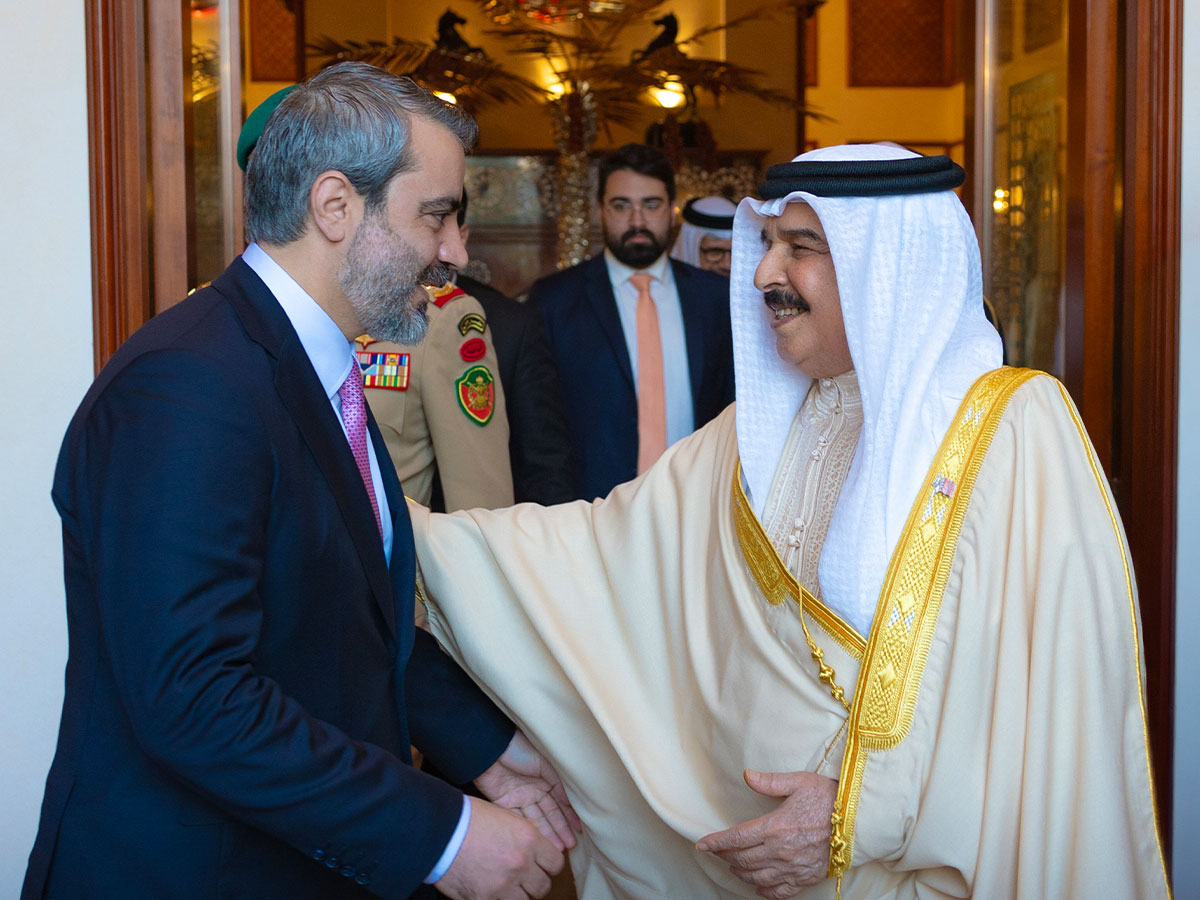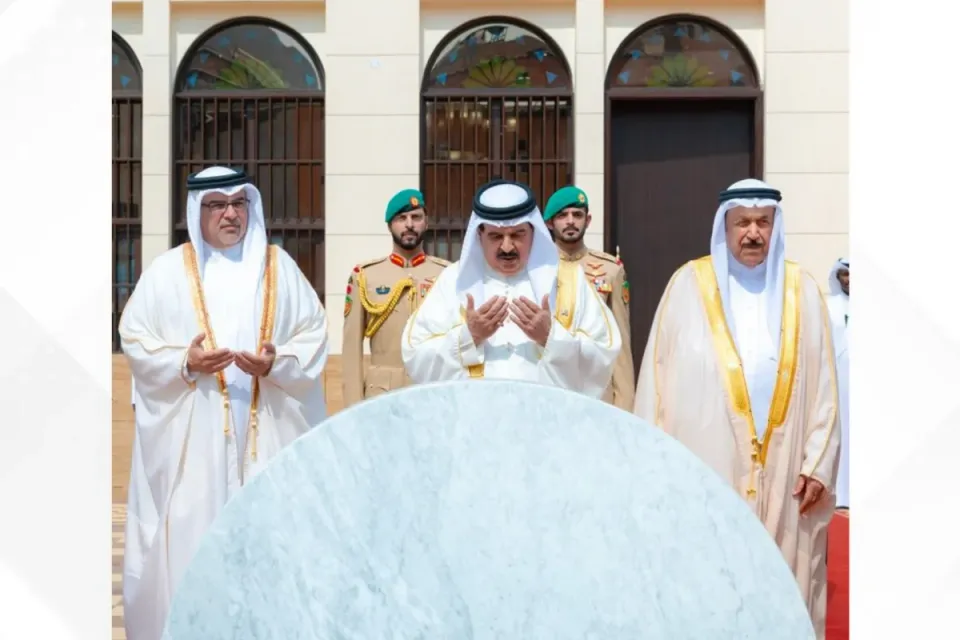
HM King Hamad bin Isa Al Khalifa inaugurated the rebuilt Ahmed Al Fateh Mosque in Gudaibiya on 26 October 2026. The ceremony marked the official completion of the reconstruction project for the site located within the Capital Governorate. The inauguration event was attended by various officials who gathered to witness the formal opening of the facility, which has been a significant site for the local community.
Oversight of Construction Project
The Supreme Council for Islamic Affairs directed the reconstruction project of the Ahmed Al Fateh Mosque. This body managed the architectural planning and execution phases to ensure the site met current requirements following the completion of the work. By overseeing the project, the Supreme Council for Islamic Affairs ensured that the structural integrity and the aesthetic standards of the mosque were upheld throughout every stage of the development. The council coordinated with various contractors and engineering teams to finalize the site according to the specified architectural plans.
The rebuilt mosque occupies a total area of 1,304 square metres. Its design focuses on providing space for religious practice within the Capital Governorate. The architectural layout was specifically chosen to maximize the utility of the 1,304 square metres available, ensuring that the interior environment supports the needs of those who visit the mosque for daily prayers and religious activities.
Capacity at the facility allows for more than 1,000 worshippers to gather simultaneously. The expanded interior floor plan accommodates this number of people, providing a larger space than the previous structure. By allowing for more than 1,000 worshippers, the facility is now better equipped to handle the congregation sizes expected within this part of the Capital Governorate. The interior design emphasizes open space to facilitate the movement of large groups during peak times of attendance.
The mosque serves as the final resting place for Shaikh Ahmed Al Fateh, who passed away in 1795. His tomb remains within the structure, maintained as part of the reconstruction efforts to preserve the historical association of the site. The preservation of the tomb of Shaikh Ahmed Al Fateh was a primary objective during the reconstruction process, ensuring that the legacy of the individual who passed away in 1795 remains respected and protected. The site continues to honor his memory through the integration of the tomb into the new architectural design of the mosque. The reconstruction project successfully balanced the need for modern functionality with the duty to maintain the historical significance of the location, ensuring that the site remains a place of reverence for the public. The completion of this work marks a new chapter for the mosque as it resumes its role in the community.