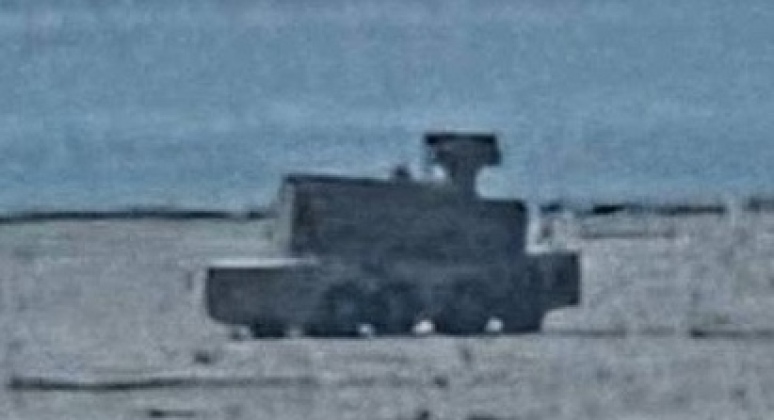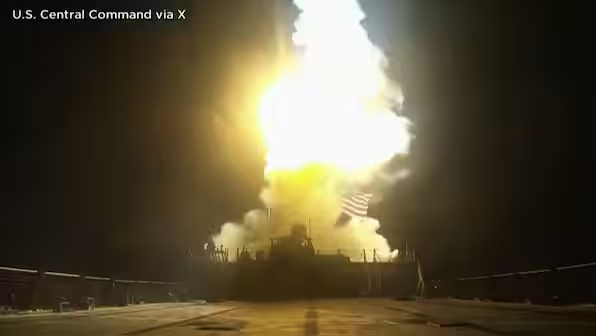
Iran’s Islamic Revolutionary Guard Corps (IRGC) claimed on Tuesday it conducted missile strikes against Amazon-linked data infrastructure in Bahrain. The IRGC also stated it targeted US air defense systems during the same operation. Additionally, the paramilitary force claimed responsibility for attacks on US air defense systems and radar installations located in Bahrain’s Muharraq and Riffa areas. These assertions mark a significant escalation in regional tensions.
Details of the Alleged Attacks
Iran's Fars News Agency reported that several cruise missiles struck what it identified as Amazon's central data infrastructure in Bahrain. The agency stated, "IRGC attacked the central data infrastructure of the American company Amazon in Bahrain with several cruise missiles and destroyed it." This specific claim, detailing the use of cruise missiles and the alleged destruction of the Amazon facility, shows the severity of the IRGC's declaration. These alleged strikes are part of broader claims by Iran’s Islamic Revolutionary Guard Corps regarding operations in the region. The IRGC has also claimed responsibility for targeting US air defense systems and radar installations located in Bahrain. Specifically, the paramilitary force mentioned attacks on US air defense systems in Muharraq and Riffa, both areas within Bahrain, indicating a precise and coordinated effort to target American military assets. The targeting of both civilian-linked infrastructure and military defenses suggests a widening scope of potential targets in the ongoing conflict.
Regional Context and Escalation
Kuwait reported that several electricity generation and water desalination plants came under attack on Monday, marking the fourth consecutive day of such incidents in the region. The alleged attacks coincide with a period of heightened tensions, as direct military exchanges between the United States and Iran entered their tenth consecutive day. This sustained period of direct confrontation notes the volatile nature of the current geopolitical climate. Iran has issued warnings that it will target infrastructure and facilities in regional countries if they are used by or made available to US forces, should American military operations continue. This stance indicates a potential for broader escalation involving regional assets supporting US military presence, placing host nations in a precarious position. The IRGC's recent claims, if verified, would represent a direct fulfillment of these warnings, demonstrating Iran's readiness to act on its threats against facilities perceived to be supporting US military activities.
US Stated Objectives and Unverified Claims
The claims regarding missile strikes on Amazon data infrastructure and US air defense systems could not be independently verified. Neither Bahrain, Amazon, nor US officials provided an immediate response to the allegations. The lack of immediate confirmation or denial from these entities leaves the veracity of the IRGC's claims unconfirmed, adding to the uncertainty surrounding the actual events. This information vacuum often characterizes rapidly evolving situations in conflict zones.
The United States has stated that its ongoing military campaign in the region is intended to degrade Iranian capabilities used to threaten commercial shipping in the Strait of Hormuz. This objective underpins Washington's operations amidst the escalating tensions, emphasizing the US focus on safeguarding vital international maritime routes. The Strait of Hormuz is a critical choke point for global oil supplies, and any disruption there has significant international economic implications. Therefore, US military actions are framed as defensive measures aimed at protecting global commerce from perceived Iranian threats. The unverified nature of the IRGC's claims, coupled with the US's stated objectives, paints a complex picture of a region grappling with escalating military actions and counter-claims.