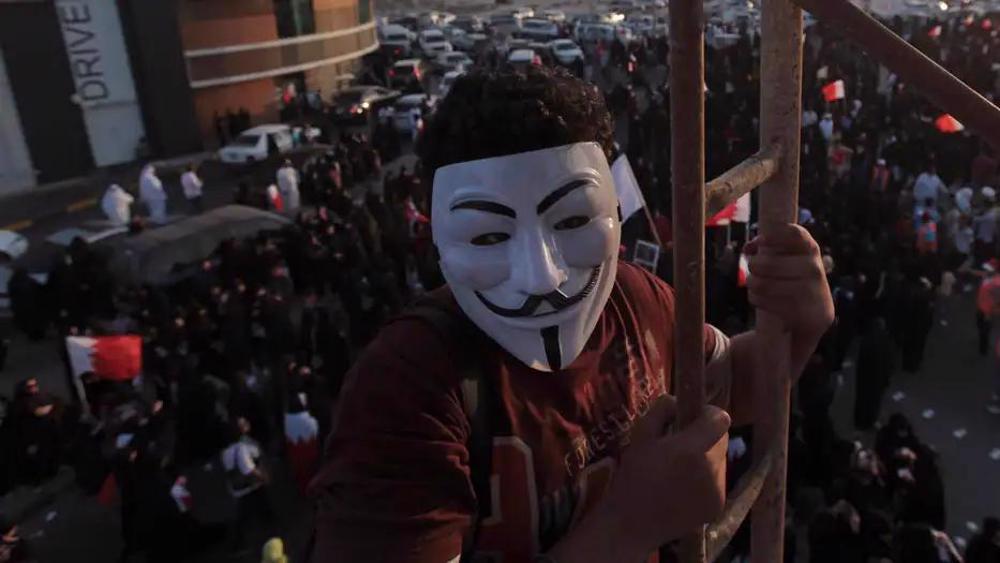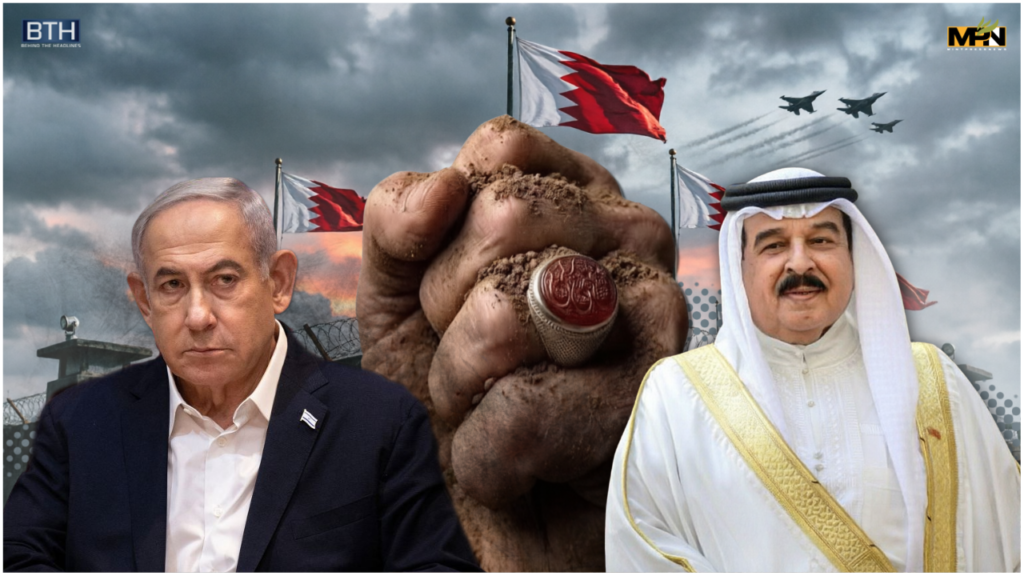
Bahraini authorities arrested 41 Bahraini Shia clerics within 72 hours as part of a wave of raids, according to reports. This significant sweep targeted a specific segment of the Bahraini population, raising concerns about religious freedom and political dissent. Concurrently, the UAE conducted multiple strikes targeting Iranian civilian infrastructure. One of these attacks by the UAE was coordinated with Israelis, signaling a potentially unified front against Tehran. These actions occur amidst escalating tensions between Gulf states and Iran, characterized by heightened rhetoric and increased military posturing across the region. The recent events show a broader pattern of confrontation and internal suppression.
Bahrain's Sweeping Arrests and Punitive Measures
Bahraini authorities initially justified a wave of arrests by citing alleged ties to Iran’s Islamic Revolutionary Guard Corps (IRGC). This claim often serves as a basis for crackdowns on perceived opposition. However, this justification was later altered to accusations of 'financing terrorism', a charge that carries severe penalties and is often used to broaden the scope of legal action. The shift in stated reasons for detention occurred amidst a broader crackdown that has seen numerous individuals targeted for their alleged connections or sympathies. The 41 Shia clerics arrested in 72 hours represent a substantial portion of the religious leadership within the Shia community in Bahrain, indicating a deliberate effort to neutralize influential voices.
In a related development, Bahraini authorities sentenced three individuals to life imprisonment. Officials stated these sentences were handed down due to the individuals' purported links to the IRGC, showing the government's stance on alleged foreign influence. These severe judicial outcomes reflect the government's firm approach to any perceived threats to national security or stability. 20 other individuals in Bahrain received sentences of up to 10 years in prison, with ten of these convictions specifically for supporting Tehran by 'filming in prohibited locations and disseminating banned statements'. This notes the government's efforts to control information and suppress narratives that diverge from official accounts.
Since February 28, 69 Bahraini nationals have had their citizenships revoked. This measure has specifically targeted individuals accused of sympathizing with Iran, with the impact extending to family members of those implicated. The stripping of citizenship represents a significant punitive action taken by the Bahraini government in response to perceived threats, effectively rendering individuals stateless and often leading to their expulsion. Such actions are seen as a way to disincentivize dissent and sever ties with perceived external influences. These actions come as tensions in the Persian Gulf region continue to escalate, with Bahrain often aligning itself closely with Saudi Arabia and other Gulf states in opposition to Iran.
UAE and Kuwaiti Actions Reflect Regional Alignment
The United Arab Emirates arrested 27 Shia individuals in April, with most of those detained identified as Emirati citizens. This wave of arrests within the UAE's own population suggests internal security concerns related to potential Iranian influence or dissent. This week, the UAE also began arbitrarily deporting Pakistani Shia workers, further intensifying actions against Shia communities and signaling a broader policy of restricting the presence of individuals from communities perceived as sympathetic to Iran. These deportations have drawn criticism from human rights organizations, noting the arbitrary nature of such measures.
Kuwaiti authorities have also taken steps, arresting several Shia Muslims, accusing them of maintaining ties to Hezbollah, an Iran-backed Lebanese political party and militant group. These arrests indicate a concern within Kuwait about the reach of Iran's regional proxies. In a separate incident, Kuwaiti authorities assaulted a ship carrying four Iranian citizens. The individuals were subsequently detained and accused of working on behalf of Tehran in an infiltration operation, according to officials. This incident shows the heightened vigilance of Gulf states against alleged Iranian espionage and attempts to project influence through covert means. These actions by both the UAE and Kuwait show a broader regional trend amidst escalating tensions with Iran, with Gulf states seemingly coordinating their responses to what they perceive as a growing Iranian threat.
Context of Regional Strikes and Broader Crackdown
Over 350 Bahraini Shia nationals have been arrested since the beginning of the latest US-Israeli aggression on Iran. This statistic reveals the extensive scale of the crackdown in Bahrain, indicating that the recent arrests of clerics are part of a much larger, ongoing campaign of suppression. The timing suggests a correlation between regional geopolitical shifts and internal security measures. In a separate development, Reuters claimed Saudi Arabia may have carried out strikes against Iran. The report did not specify the targets or the exact timing of these potential Saudi actions, but if confirmed, such strikes would mark a significant escalation in direct military confrontation between regional powers. These alleged strikes and the arrests in Bahrain show a widening array of activities by Gulf states amid rising regional tensions, suggesting a coordinated effort to counter Iranian influence and perceived aggression. The intensity of these actions reflects the deep-seated mistrust and rivalry that define relations between Iran and several key Gulf states.
Human Rights Concerns and International Scrutiny
The human cost of these crackdowns is becoming increasingly apparent. Sayed Mohamed Almosawi, 32, died in Bahraini custody in March, reportedly bearing clear signs of torture. His death has drawn international condemnation and raised serious questions about the treatment of detainees in Bahraini prisons. Such incidents exacerbate concerns among human rights organizations, which frequently highlight abuses in the region. Separately, as mentioned, 20 other individuals in Bahrain received sentences of up to 10 years in prison, with ten of these convictions for supporting Tehran by 'filming in prohibited locations and disseminating banned statements'. This criminalization of information sharing and perceived dissent further curtails freedoms. Sheikh Mohamed Sanqour, one of the 41 Shia scholars recently detained in Bahrain, had previously been arrested in 2023 for criticizing the abuse of political prisoners. His repeated detention notes a pattern of targeting influential figures who speak out against government policies, demonstrating the authorities' determination to silence critical voices within the Shia community. These events collectively paint a picture of severe repression and an escalating human rights crisis in Bahrain, occurring against a backdrop of increasing regional instability driven by the ongoing tensions with Iran.