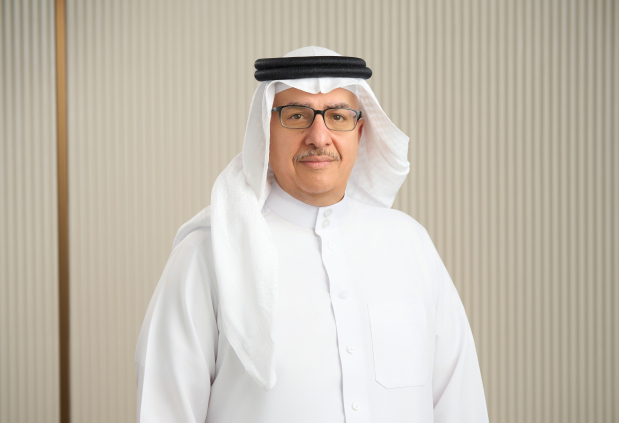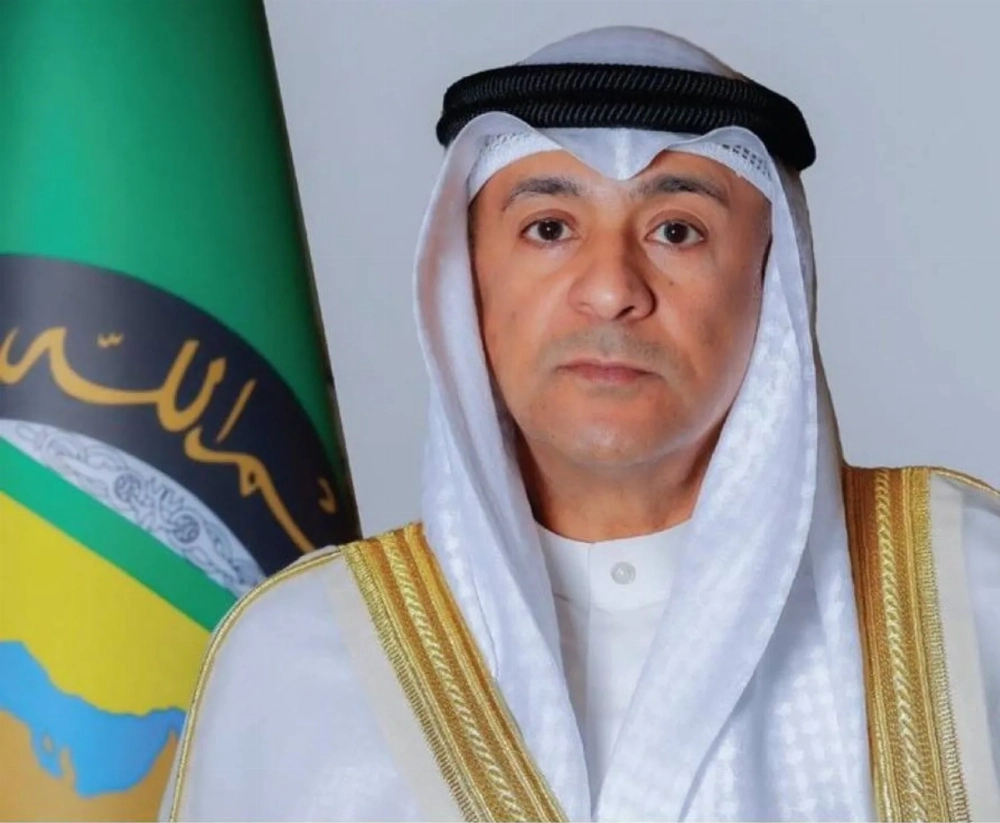
Jasem Albudaiwi, secretary general of the Gulf Cooperation Council (GCC), condemned recent statements from Naim Qassem, secretary general of Lebanon’s Hezbollah. Qassem's remarks involved the internal affairs of Bahrain and procedures implemented against individuals accused of espionage with the Iranian Revolutionary Guard Corps. These statements, particularly from a high-ranking official of Hezbollah, were seen as a direct interference in the sovereign matters of a GCC member state. Albudaiwi stated, "This designation is based on the continued hostile activities carried out by these militias, including the recruitment of youth from GCC countries to perpetrate terrorist acts, the smuggling of weapons and explosives, the incitement of sectarian strife, and the promotion of chaos and violence, all in blatant violation of the sovereignty, security, and stability of these states." The GCC's strong stance shows its commitment to protecting the national security interests of its member nations from external interference.
Bahrain's Espionage Allegations
Individuals implicated in the alleged espionage were found to have conspired in plots to execute terrorist and hostile acts against Bahrain. These actions were reportedly intended to undermine the country's interests and destabilize its internal security. The accusations from Bahraini authorities center on efforts to destabilize the nation through such clandestine activities, asserting that these individuals were involved in espionage directly linked to the Iranian Revolutionary Guard Corps. The alleged conspirators faced charges related to their involvement in these plans, which Bahrain describes as direct threats to its national security and sovereignty. The investigations focused on uncovering the full scope of these operations and identifying those responsible for organizing and carrying them out within Bahraini territory, aiming to prevent future attempts at destabilization.
GCC's Stance on Hezbollah
The Gulf Cooperation Council (GCC) member states officially designated Hezbollah, including its leaders, factions, affiliated entities, and branches, as a terrorist organization. This classification was formalized through a resolution adopted in 2016, reflecting a unified regional position against the group's activities. The GCC has consistently cited Hezbollah's involvement in a range of hostile activities across the region, which it views as a significant threat to peace and stability.
These activities include the recruitment of youth from GCC countries to perpetrate terrorist acts, drawing individuals into extremist agendas. The organization has been accused of smuggling weapons and explosives into member states, facilitating acts of violence and undermining state control over their territories. The GCC also points to Hezbollah's incitement of sectarian strife and its promotion of chaos and violence, asserting that such actions directly violate the sovereignty, security, and stability of these nations. The GCC's full designation encompasses all aspects of Hezbollah, indicating a firm and unwavering commitment to counter its regional influence.
Support for Lebanon's Stability
The GCC secretary general affirmed the Gulf Cooperation Council’s unequivocal rejection of all practices that threaten the security and stability of the Lebanese Republic and its people. Jasem Albudaiwi stressed that attempts to keep Lebanon trapped in instability and recurring crises, while undermining its legitimate institutions, are unacceptable and detrimental to the nation's future. He reiterated the GCC’s support for the constructive measures undertaken by Lebanon under the leadership of President Joseph Aoun, recognizing the efforts being made towards national recovery. Albudaiwi also reiterated the GCC’s support for the reform initiatives advanced by the Lebanese government under the leadership of Prime Minister Nawaf Salam, noting the importance of good governance and economic stability. The GCC secretary general emphasized the importance of all Lebanese parties supporting the reform agenda and uniting behind the state to help Lebanon overcome its crises, thereby fostering a stable and prosperous future for the country.