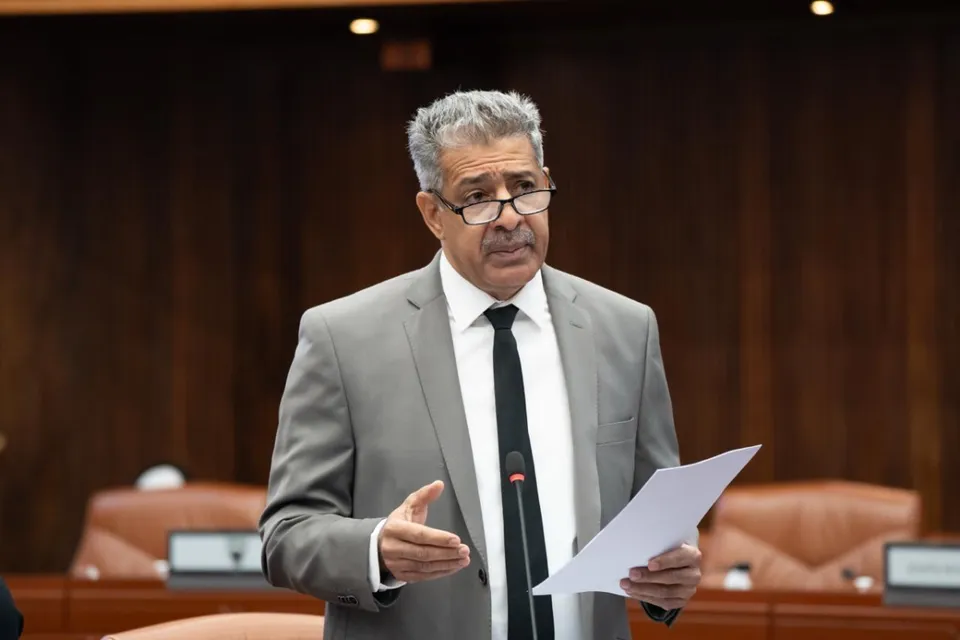
Bahraini members of parliament are scheduled to debate and vote on a bill to ban foreign boats from fishing in national waters on Tuesday, 27 October 2026. The proposed legislation seeks to prohibit foreign vessels from catching fish or taking marine life from the country's maritime territory. Officials intend for the measure to restrict access exclusively to domestic operators if approved by the legislative body. The upcoming session marks a formal move to regulate commercial activity within regional zones. Legislators plan to review the potential impact of the ban on local resources during the meeting. Decisions made by the parliament on Tuesday will determine the future of international vessel access to Bahraini waters.
Proposed Restrictions on Licenses
The proposed bill includes a provision to outlaw the renting out of fishing licenses to other individuals. Legislative proponents intend for this measure to ensure that active vessel owners maintain direct control over their operational permits. Under the current draft, the rules governing fishing rights for GCC citizens would remain unchanged. Parliament members aim to preserve existing reciprocal arrangements for these regional nationals while restricting access for other foreign parties. Mohamed Darwish and Hisham Al Awadhi have participated in discussions regarding how these licensing shifts might interact with financing agreements held through the Bahrain Development Bank. Officials expect the final vote to clarify whether these specific prohibitions on permit transfers will apply to all commercial operations currently active in Bahrain.
Government Opposition and Committee Stance
Government representatives have argued that the proposed legislation is unnecessary, asserting that existing Bahraini law already prohibits non-Bahrainis from engaging in commercial fishing activities. Officials maintain that current regulatory frameworks provide sufficient legal mechanisms to restrict access to national waters, rendering the new bill redundant.
Despite these objections from the government, the Parliament’s Public Utilities and Environment Committee has taken a contrary position. The committee unanimously recommended that members of parliament vote in favor of the bill. Committee members contend that formalizing these restrictions through new legislation will strengthen enforcement capabilities and clarify the legal status of commercial fishing operations within the kingdom.
The broader national strategy regarding maritime resources includes efforts to shift toward sustainable aquaculture. As part of this initiative, a national fish farming scheme has already trained 15 Bahrainis in modern cultivation techniques. This program intends to scale its operations significantly, with a second stage designed to train 600 additional Bahrainis over the next five years. Proponents of the bill suggest that such training initiatives will provide local operators with the skills necessary to manage domestic fish stocks effectively once foreign access is restricted. The committee expects these training efforts to support the growth of a domestic workforce capable of sustaining the country’s marine production requirements.