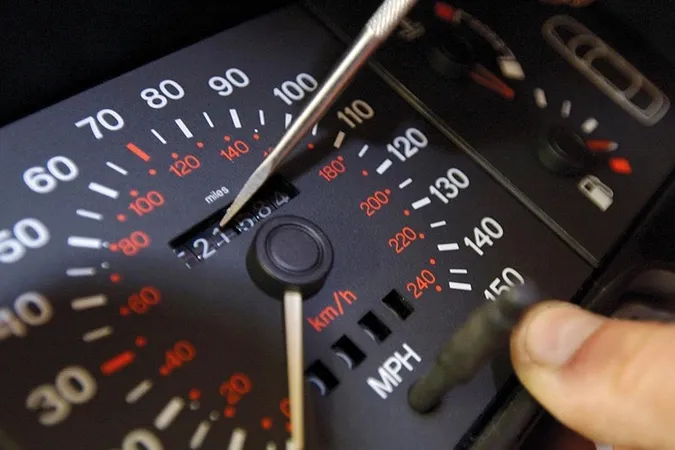
MP Mohammed Salman Al Ahmed has introduced a proposal in Bahrain to integrate vehicle odometer tracking into the national annual inspection process. The plan intends to combat fraud by capturing and archiving mileage data during mandatory vehicle checks.
"The proposal aims to link the car’s odometer to the annual inspection system, so mileage readings are recorded and stored electronically in the Traffic Directorate’s vehicle history reports," Mohammed Salman Al Ahmed said.
Under the suggested framework, these recorded figures would become a permanent component of official vehicle documentation. By standardizing the collection of this data, the initiative seeks to provide a verifiable record for owners and potential buyers. The proposal remains under review as part of broader efforts to improve vehicle data transparency within the country.
Proposed Inspection System Changes
Annual logging of vehicle mileage would form the core of the proposed oversight system. Under this framework, odometer readings must be recorded every year during mandatory safety evaluations and subsequently stored within the General Directorate of Traffic’s vehicle history records. This digital archive is intended to ensure that a vehicle’s mileage history remains consistent and accessible to the authorities throughout the operational life of the car.
The Interior Ministry confirmed that current regulatory frameworks do not mandate such data collection. According to the Interior Ministry, Traffic Law No. 23 of 2014 does not include mileage checks as part of roadworthiness inspections. This absence of a specific requirement for odometer verification during the annual technical inspection cycle currently leaves the recording of mileage to the discretion of owners or service centers rather than official state oversight.
Addressing concerns regarding odometer tampering, the Interior Ministry stated that existing legislation already provides a basis for prosecuting fraudulent activity. The ministry noted that the Civil Code, the Consumer Protection Law, and the GCC Unified Anti-Commercial Fraud Law currently cover cases involving the intentional manipulation of vehicle odometers. Officials indicated that while the proposed system would improve transparency in the used vehicle market, the legal mechanisms to address fraud are already present in the broader national statutes. Any expansion of the inspection process to include formal mileage logging would therefore function alongside these existing anti-fraud provisions rather than replacing them.