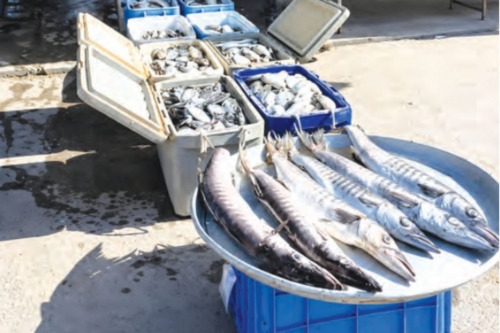
Bahrain has officially lifted its seasonal ban on safi, sheari, and andak, a move that has initiated the steady return of these popular fish varieties to market stalls across the nation. This significant decision brings an end to a period of restricted fishing for these specific species, a measure that had notably impacted local supply chains throughout the country. The lifting of the ban is a key development for both fishermen and consumers, signaling a return to more regular market conditions for these staple seafood items. The reintroduction of these species is expected to gradually stabilize the broader seafood market, which had experienced some fluctuations during the period of restriction. The availability of safi, sheari, and andak is a welcome change for local vendors who rely on a consistent supply of diverse seafood to meet consumer demand.
Initial Price Surge and Easing
Following the lifting of the seasonal ban, prices for Bahraini safi experienced an immediate and notable surge. On the very first day that fishing restrictions were removed, safi prices reached as high as BD5 per kilo. This initial spike reflected the pent-up demand and the immediate impact of reintroducing a previously restricted commodity to the market. Specifically, on that initial day, safi prices were observed to range between BD4.500 and BD5 per kilo, indicating a strong opening for the newly available catch. This initial price increase is a common market reaction when supply constraints are suddenly removed, and consumers are eager to purchase.
However, the market demonstrated a relatively swift adjustment. Within six days of the ban's removal, Bahraini safi prices eased to BD4 per kilo. This indicates a rapid response from the supply chain, as increased quantities of safi began to reach the markets. The market adjustment brought the cost down from its peak shortly after the fishing restrictions were lifted, providing relief to consumers and indicating a move towards more sustainable pricing. The quick recalibration of prices suggests an efficient distribution network and a healthy level of competition among vendors as supply steadily returned to fish stalls. This easing of prices after an initial surge is a positive sign for market stability and accessibility for consumers.
Current Market Prices
As the market continues to absorb the increased supply, prices for various seafood varieties have begun to settle. Sheari is now selling at BD3.500 per kilo in Bahraini markets, reflecting its consistent presence and demand. Hammour, a highly sought-after fish, is currently priced at BD6.500 per kilo. Seabream is available at BD3 per kilo, offering another popular option for consumers. Among the currently listed seafood varieties, hammour stands out as the most expensive, a reflection of its premium status and desirability in the local culinary scene. Its higher price point often indicates its perceived quality and taste among consumers.
Other seafood items also show stable pricing. Frozen shrimp is priced at BD2.500 per kilo, providing an accessible option for many households. Maid is priced at BD2 per kilo, making it the lowest-priced seafood variety among those listed. This affordability makes maid a popular choice for budget-conscious consumers. The varied price points across different species cater to a wide range of preferences and purchasing powers within the market. The availability and pricing of these different types of fish contribute to the overall diversity of Bahrain's seafood offerings.
Market Dynamics and Outlook
The seafood market is currently in a phase of strong absorption, integrating the return of local catch after the seasonal restrictions on safi, sheari, and andak were lifted. This process of absorption has been instrumental in leading to a stabilization of prices for key varieties, following the initial surge observed immediately after the ban's removal. The market's capacity to integrate the increased supply has been clearly demonstrated through the observed price adjustments, particularly with safi. This indicates a responsive supply chain that has proven capable of handling the renewed availability of previously restricted fish without prolonged price volatility.
The steady return of supply to fish stalls is a critical factor in this stabilization. Fishermen are now able to harvest and bring these species to market, ensuring a more consistent flow of product. This increased availability helps to meet consumer demand more effectively, preventing artificial scarcity that can drive prices upward. The observed market behavior suggests a healthy equilibrium is being re-established, where supply and demand are finding their balance. The ability of the market to quickly adjust from an initial price surge to more moderate levels shows its resilience and efficiency. This positive trend bodes well for both consumers, who can anticipate more predictable pricing, and for the fishing industry, which can look forward to a period of renewed activity and steady sales. The overall outlook for Bahrain's fish market appears stable, with the return of these key species contributing significantly to its vibrancy and diversity.