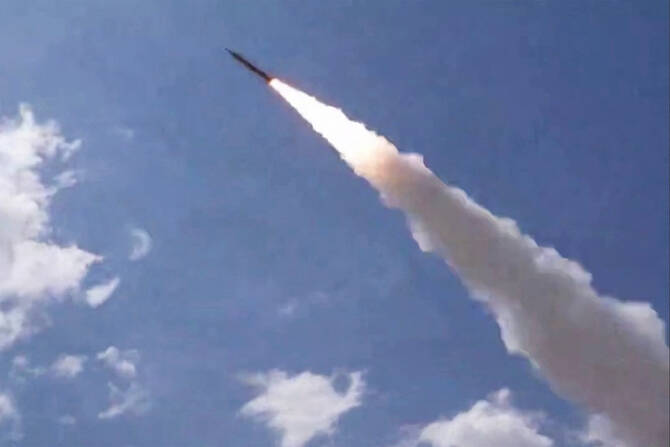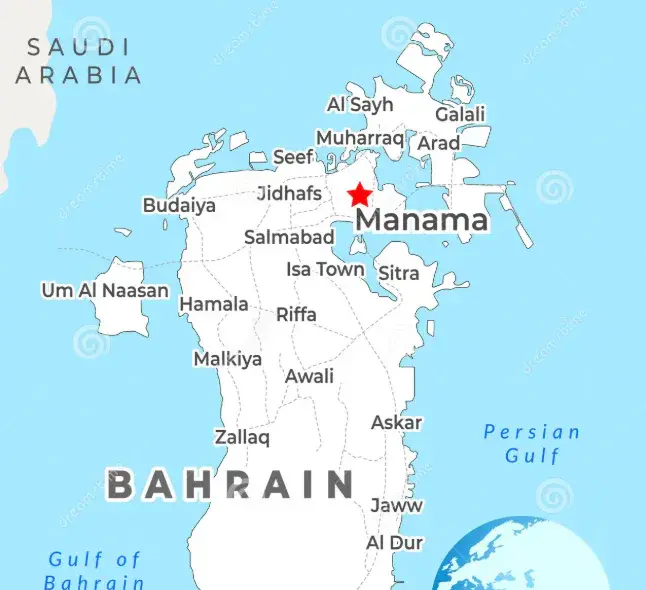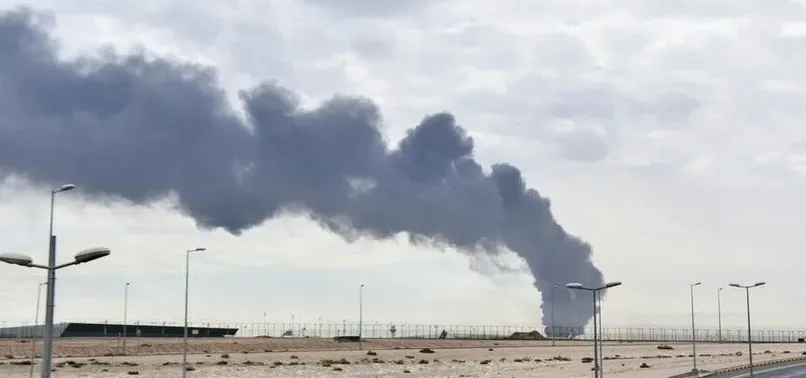
Bahrain announced Monday, July 20, 2026, that Iranian drones had targeted its air navigation systems, marking a significant escalation in regional hostilities. The incident occurred amidst a period of heightened regional tensions, which also saw the United States and Iran exchanging military strikes. This development follows a period of increasing instability across the Gulf region, where a previously established, shaky US-Iran ceasefire has now largely collapsed. Bahrain's statement did not provide further details on the extent of the damage or the specific locations of the attacks within its air navigation infrastructure, but showed the seriousness of the situation. The alleged drone strikes represent a significant escalation in the ongoing regional instability, drawing international concern over the potential for wider conflict.
Bahrain Air Defenses Respond
Bahrain's civil aviation body reported that civil air navigation systems serving the Bahrain Flight Information Region were targeted by hostile drones. The body stated, "As a result of a hostile Iranian act of aggression against the Kingdom of Bahrain, civil air navigation systems serving the Bahrain Flight Information Region were targeted by hostile drones." Despite the attack, air navigation operations remained unaffected, according to the same statement. Bahrain's air defenses intercepted and destroyed a number of what it described as Iranian aerial aggressions, successfully mitigating the immediate threat. AFP correspondents in Manama reported hearing explosions as sirens blared in the morning, indicating the intensity of the defensive response. Bahrain has accused Iran of targeting civilians with these actions, a charge that escalates the severity of the incident. The civil aviation body further confirmed that "Flights and air traffic" were proceeding normally following the incident, assuring the public of continued operational safety.
Broader Gulf Escalation Unfolds
Kuwait has also reported attacks amidst the latest Gulf escalation, with its military describing a "heinous Iranian aggression." These attacks included Iranian targeting of critical infrastructure, specifically water and electricity plants, as well as oil facilities in Kuwait, noting a broader strategy to destabilize key regional assets. Regionally, Iran began attacking vessels utilizing an Omani route in the Strait of Hormuz, aiming to compel them to use its own waters, a move that has significant implications for international shipping and trade. In response to these actions, the United States has attacked Iran, further intensifying the cycle of retaliation. Iran has simultaneously responded with strikes on the Gulf and other Arab countries, demonstrating a wide-ranging retaliatory capacity. A previously established, shaky US-Iran ceasefire has now largely collapsed, leading to open hostilities. Iran's Revolutionary Guards stated they had struck US military targets located in Kuwait, directly challenging American presence in the region.
US Presence and Warnings Issued
Bahrain is home to the US Fifth Fleet, a key American naval presence in the region, underlining its strategic importance to US operations. The United States also maintains military installations in both Kuwait and Bahrain, showing its strategic footprint in the Gulf and its commitment to regional security. Amidst rising tensions, the US embassy in Bahrain issued a warning, stating that Iran might attempt to target unspecified locations in central Manama. This warning notes the potential for civilian areas to become targets in the ongoing conflict, urging caution among residents and visitors.