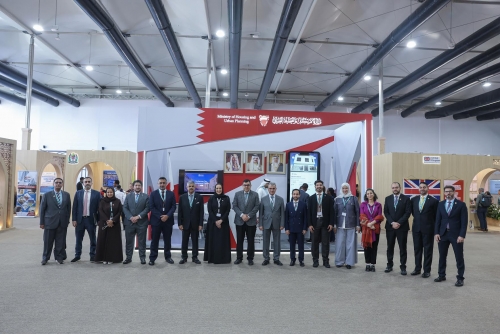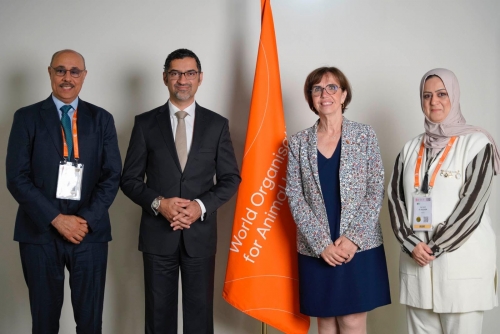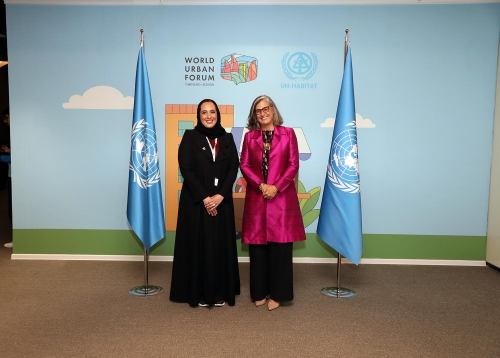
Bahrain’s Minister of Housing and Urban Planning, Shaikha Amna bint Ahmed Al-Rumaihi, held high-level bilateral meetings at the 13th World Urban Forum (WUF13), which is taking place in Baku, Azerbaijan, from May 17 to May 22. The 13th World Urban Forum (WUF13), a significant global event for urban development, provides a key platform for international dialogue and collaboration. The discussions focused on deepening cooperation in urban planning, social housing policy, and the exchange of best practices. Shaikha Amna met with ministers and senior officials from several Arab nations and the head of the United Nations' leading human settlements body during these engagements, showing the collaborative spirit of the forum. These meetings facilitated key dialogues on shared challenges and innovative solutions in urban development across the region and globally.
Global Urban Agenda Alignment
Participants at the World Urban Forum (WUF13) reviewed themes from the conference sessions, aiming to strengthen national housing strategies. These discussions were intended to support the global objectives of the New Urban Agenda and the United Nations' 2030 Sustainable Development Goals. The extensive agenda of WUF13 included a wide array of topics pertinent to sustainable urbanisation, fostering a full approach to future city development. The talks also addressed the regulatory framework governing the real estate sector, with a particular focus on expanding the private sector's involvement in housing delivery. This emphasis on private sector engagement is seen as vital for accelerating the provision of affordable and high-quality housing. Held under the auspices of UN-Habitat, the World Urban Forum convenes biannually to address the challenges and opportunities of urbanisation worldwide. The current forum in Baku, Azerbaijan, is the 13th iteration of the event, bringing together policymakers, experts, and stakeholders from around the globe to share insights and forge partnerships.
Bahrain's Housing Strategy
Minister Al-Rumaihi outlined Bahrain's housing delivery roadmap during the forum, emphasizing efforts guided by a Royal Directive to provide 50,000 housing units. Bahrain's strategy encompasses several key components to achieve this goal, demonstrating a multi-faceted approach to meeting its citizens' housing needs. These include the implementation of ownership service projects designed to facilitate housing access for citizens, making homeownership more attainable. The strategy also features public-private partnerships through initiatives such as the Government Land Development Rights Programme and the Private Land Development Rights Programme. These innovative programs aim to engage the private sector in housing development efforts, leveraging their expertise and resources to complement government initiatives. Additionally, Bahrain's approach involves diversified financing options, with the Housing Bank playing a key role in providing financial solutions for housing projects, ensuring a range of accessible funding avenues for aspiring homeowners and developers. The full nature of this strategy reflects Bahrain's commitment to sustainable and inclusive housing development.
Urban Regeneration Projects
Bahrain’s urban regeneration initiatives were a key focus of discussions during the World Urban Forum. Among the noted projects are the Muharraq City Development Project and the revitalisation of the Manama Souk District. These initiatives show Bahrain’s commitment to modernising its urban landscape while preserving cultural heritage and fostering economic growth. The Muharraq City Development Project aims to enhance infrastructure and public spaces, contributing to a higher quality of life for residents through improved amenities and urban design. Similarly, the Manama Souk District revitalisation seeks to breathe new life into the historic market area, improving its commercial viability and appeal to both locals and tourists by enhancing its infrastructure and cultural offerings. Such projects are integral to Bahrain's broader urban planning strategy, which emphasizes sustainable development and community engagement. The efforts align with the nation's vision for creating vibrant and resilient urban environments that cater to the needs of their inhabitants while celebrating their unique heritage.