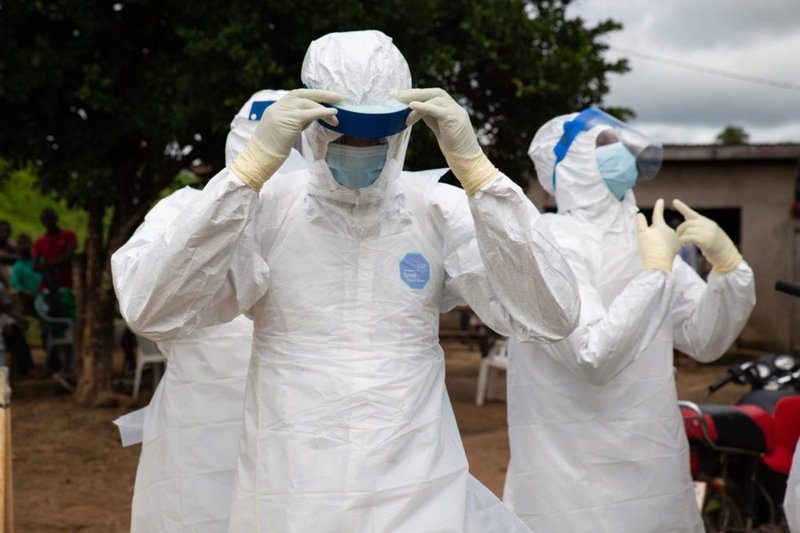
Bahrain has announced a 30-day ban on visitors from the Democratic Republic of Congo (DRC), South Sudan, and Uganda, effective immediately. The measure by the Gulf nation is intended to prevent the potential spread of the Ebola virus, which has led to a significant outbreak in these African nations. The ban, which applies to non-Bahraini travelers, will remain in place for a period of one month. This decision shows Bahrain's proactive approach to public health in the face of international health concerns.
Travel Restrictions Detailed
Entry is suspended for non-Bahraini travelers arriving in the Kingdom of Bahrain from the Republic of South Sudan, the Democratic Republic of the Congo, and the Republic of Uganda on all flights, effective May 20, 2026. The kingdom's Civil Aviation Affairs authority stated, "Entry is suspended for non-Bahraini travelers arriving in the Kingdom of Bahrain from the Republic of South Sudan, the Democratic Republic of the Congo, and the Republic of Uganda on all flights, effective today." This measure applies only to non-Bahraini visitors. Bahraini nationals are not subject to the entry ban.
However, Bahrainis arriving from the Republic of South Sudan, the Democratic Republic of the Congo, and the Republic of Uganda will be required to follow specific approved health protocols upon their arrival in the country to ensure public safety. The ban also extends to individuals who have visited these three African nations within 30 days prior to their intended arrival in Bahrain. Such individuals are also barred from flying into the kingdom, reinforcing the full nature of the travel restrictions.
Ebola Outbreak Escalates
The current Ebola outbreak has claimed the lives of more than 130 people across the affected regions. The UN health agency has declared the surge of the haemorrhagic fever an international health emergency, noting the severity and widespread nature of the crisis. This marks the 17th Ebola outbreak recorded in the Democratic Republic of Congo (DRC), indicating a recurring health challenge for the nation.
A particular concern is that there are currently no approved vaccines or treatments specifically for the Bundibugyo strain of the virus, which is responsible for this outbreak. This particular outbreak marks the third occurrence of the Ebola virus caused by the Bundibugyo strain, showing its re-emergence and the challenges it poses to public health. For context, the DRC's deadliest Ebola outbreak, which occurred between 2018 and 2020, resulted in nearly 2,300 fatalities from a total of 3,500 reported cases, demonstrating the devastating potential of such epidemics.
Global Health Concerns
The World Health Organization (WHO) has expressed apprehension regarding the current Ebola outbreak, citing its significant scale and rapid progression. The international health body warned that the crisis could be protracted, indicating a potentially lengthy period before the outbreak is contained. The WHO has voiced concern about both the scale and the speed of the outbreak, and specifically warned that it could be lengthy, requiring sustained international attention and resources.
Separately, the US State Department on Tuesday issued a strong advisory urging American citizens to avoid all travel to the Democratic Republic of Congo, South Sudan, and Uganda. This warning shows international concerns about the spread of the Ebola virus within these nations and advises against non-essential travel to these countries.
Official Statements
The ban addresses the latest Ebola outbreak in the three African nations. Bahrain also bars individuals who have visited these countries within 30 days prior to their arrival, reflecting a cautious approach to preventing any potential importation of the virus. The full nature of these restrictions aims to safeguard public health within the Kingdom of Bahrain.