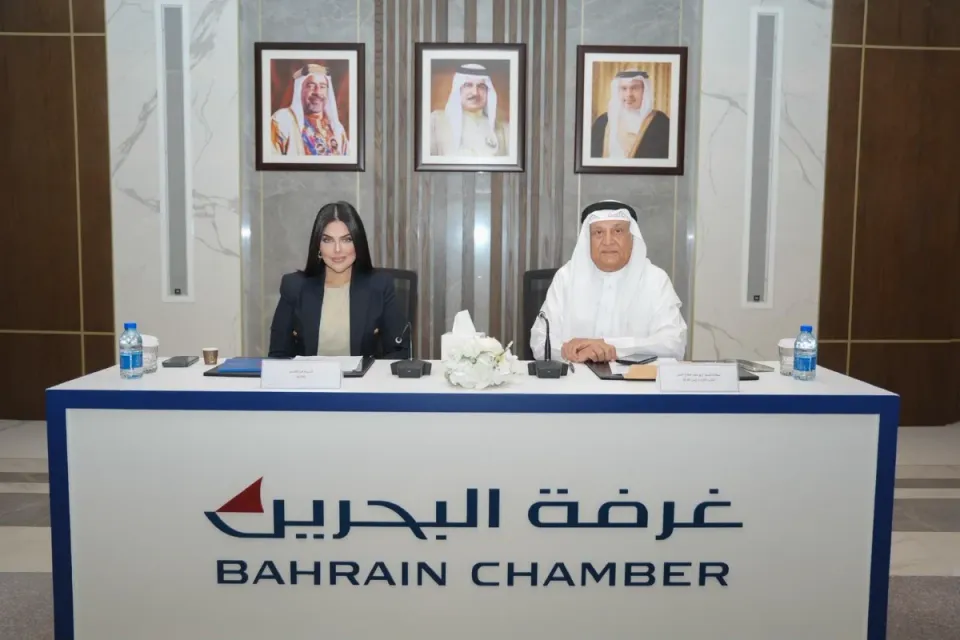
The Bahrain Chamber and the Bahrain Institute for Political Development convened a panel discussion titled 'Economy and Trade in Bahrain: From Pearling to Economic Diversification'. This session examined the historical trajectory of commercial activity in the nation and the subsequent shift toward a more varied industrial base. Officials organized the event as an official component of the 'Year of Isa Al Kabeer' program. Participants reviewed how trade practices evolved from the traditional pearling industry into the contemporary economic structure currently observed in Bahrain.
Historical Foundations of Trade
Merchants in Bahrain formally organized their commercial interests in the early 20th century to address the needs of the local market. The Merchants' Council was established in 1910 to represent the collective voice of traders during the era of the pearling industry. This body functioned as a primary platform for business coordination and resolving trade disputes.
Commercial representation expanded further in 1939 with the formation of the Bahrain General Merchants' Association. Members of this association sought to consolidate their influence as the regional economy began to transition beyond traditional maritime trade activities. Both organizations provided a framework for the business community to manage interactions with local authorities and regional partners. These institutional developments preceded the current economic structure maintained by the Bahrain Chamber, serving as a foundation for modern trade practices in Bahrain.
Oil Discovery and Diversification
Oil was discovered in Bahrain in 1932, marking a significant transition point for the national economy. This development prompted a shift in the industrial base of the country, moving away from the traditional maritime and pearling sectors that had dominated local commerce for generations. The influx of revenue and industrial activity resulting from this discovery necessitated new forms of business organization to manage the emerging commercial landscape.
Institutional structures evolved alongside these economic changes to better represent the growing business community. The Bahrain Chamber adopted its current name in 1967. This change reflected the broadening scope of the organization as it began to oversee a more diverse range of trade activities and industrial interests. By updating its designation, the Bahrain Chamber aligned its identity with the contemporary economic goals of the nation, providing a unified platform for merchants and business owners to engage with the developing industrial sector. These institutional shifts established a framework that continues to support the current trade environment in Bahrain, facilitating a transition from the early reliance on oil toward the varied economic activities observed today.