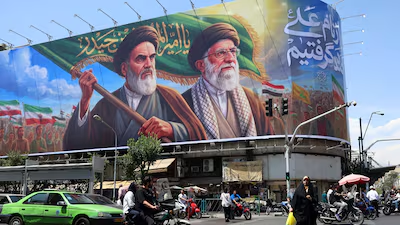
Bahrain announced on Sunday that any mourning for Iran's late supreme leader, Ayatollah Ali Khamenei, is prohibited during Ashura commemorations this month. The directive aims to prevent displays of grief for the Iranian figure during the significant Shiite religious observance. Ashura, which commemorates the martyrdom of Imam Hussein, is a period of deep mourning for Shiite Muslims globally, including Bahrain's majority Shiite population. Authorities in Bahrain have historically maintained a cautious stance on events perceived as potentially inflaming regional tensions, particularly those with links to Iran. The ban shows existing geopolitical sensitivities in the Gulf region, reflecting the government's commitment to maintaining internal stability and national constants.
Security Concerns Drive Ban
Interior Minister Rashid bin Abdullah Al Khalifa stated at a meeting on Ashura preparations on Sunday that the religious rituals would occur under "tense security conditions." The minister stressed that "mourning for the supreme leader is prohibited and punishable," describing such acts as a "political project wrapped in a religious guise." He further affirmed, "We will not leave room for those who work to politicise the occasion, violate public order, break the law, raise banners and chant slogans linked to regional agendas and organisations that contradict the constants of the nation and its identity." These concerns arise amid reports that Bahrain has been targeted by hundreds of Iranian missiles and drones since the ongoing regional conflict began. Authorities also announced the arrest of 41 individuals last month on suspicion of working for the Islamic Revolutionary Guard Corps (IRGC). Additionally, several people have received life sentences for collaborating with Iran, showing persistent security challenges. The government views these measures as essential for national security, particularly given the heightened regional tensions.
Iran's Influence Questioned
This year's Ashura observance marks the first since Ayatollah Ali Khamenei's death in an Israeli air strike on the initial day of the Iran war. Interior Minister Rashid bin Abdullah Al Khalifa stated that Iran's "political project wrapped in a religious guise" was challenging the loyalty of individuals in Bahrain. For Shiite Muslims, Ashura is a significant commemoration of the death of Imam Hussein in the seventh century. The minister's remarks showed concerns that external actors might exploit religious occasions to sow discord within the country. He emphasized that any attempt to use the Ashura period for political purposes linked to foreign agendas would be met with strict enforcement. The government views such actions as undermining national cohesion and stability, asserting that such political exploitation contravenes the nation's core principles and identity.
Minister's Stern Warning
Interior Minister Rashid bin Abdullah Al Khalifa stated that mourning for the supreme leader is prohibited and punishable. The Minister showed that any such acts would be met with legal consequences. He urged citizens to adhere to traditional Bahraini mourning rituals, emphasizing that these practices predate those associated with the Iranian revolution. The minister's remarks noted a clear distinction between indigenous customs and what he described as externally influenced practices. This directive aims to ensure that Ashura commemorations remain focused on Bahrain's cultural and religious heritage, free from what authorities perceive as foreign political impositions. The government is committed to maintaining public order and upholding national constants during the sensitive religious period, ensuring that the solemnity of Ashura is preserved without external political interference. Public adherence to these guidelines is expected to contribute to the peaceful observance of the religious rituals.
Broader Regional Context
Bahrain has initiated a broad crackdown on Iranian influence following drone and missile attacks originating from Iran. This recent offensive against Iranian-linked activities shows a heightened regional tension, particularly as Bahrain seeks to maintain internal stability and national constants. The government views such measures as essential for national security, aiming to safeguard the country from external political and security threats. The ongoing situation notes the delicate balance Bahrain must maintain in a region marked by complex geopolitical dynamics. The government's actions reflect a proactive stance in addressing perceived threats to its sovereignty and social fabric, ensuring that religious observances are conducted in a manner consistent with national laws and values.