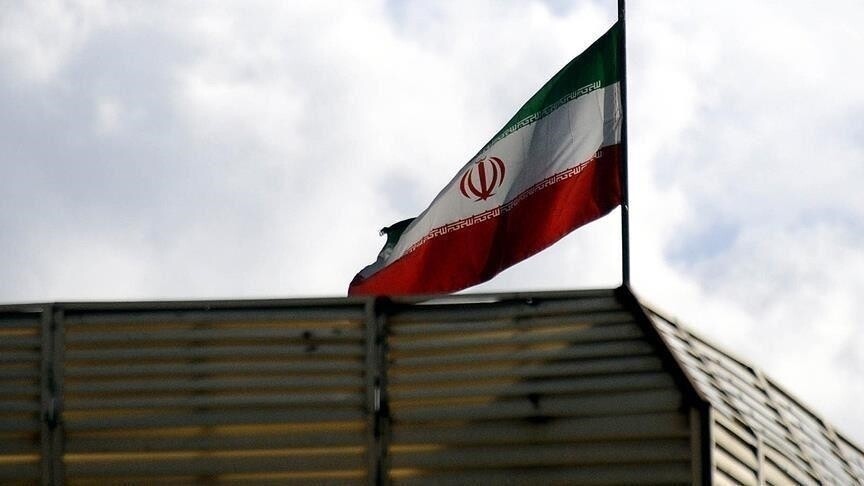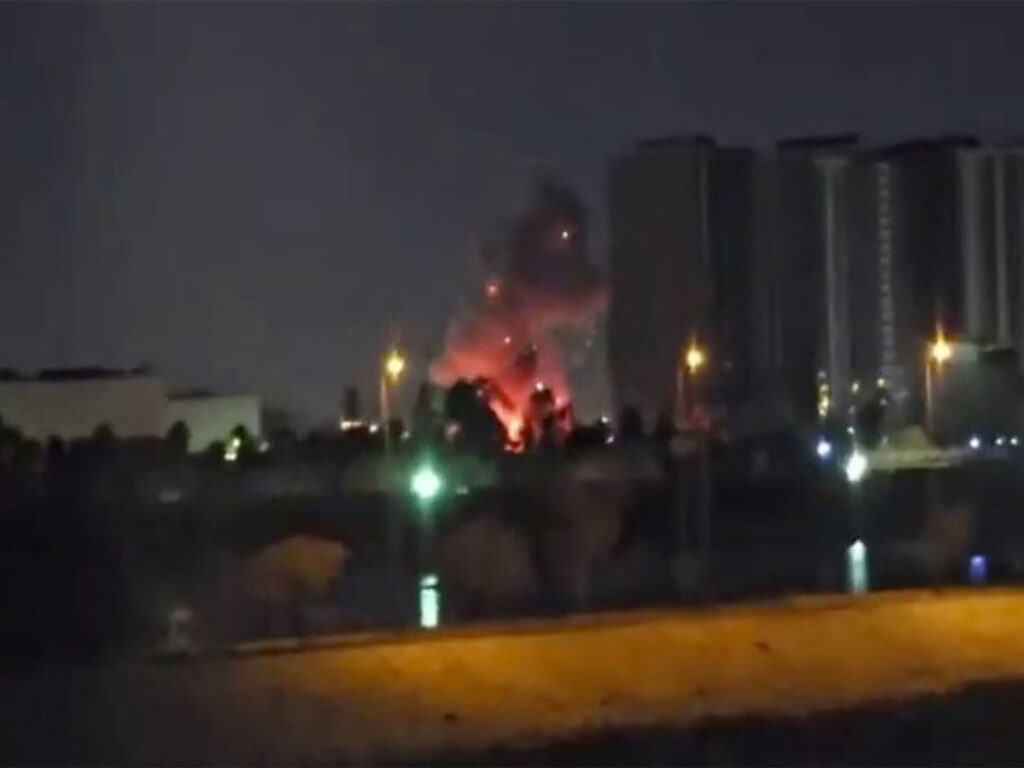
Air raid sirens were activated across Bahrain for a second time within an hour early Tuesday after Iran’s Islamic Revolutionary Guard Corps (IRGC) launched a drone attack targeting the US Fifth Fleet. The activation of these sirens, a rare occurrence, showed the heightened state of alert across the island nation. The IRGC Navy forces initiated the drone assault at precisely 2:30 a.m. Against the US Fifth Fleet, which is headquartered in Manama, Bahrain's capital. The US Fifth Fleet plays a critical role in regional security, overseeing American naval operations across the Middle East, including in the strategically vital Persian Gulf, the Red Sea, and the Arabian Sea. Its presence is central to maintaining maritime stability and safeguarding international shipping lanes. Following the drone attack, the Islamic Revolutionary Guard Corps issued a stern warning, stating that it would deliver a "more severe response" should further American military actions occur against Iranian territory. In response to the unfolding events, precautionary emergency protocols were triggered across the country, ensuring public safety measures were in place.
Escalating Confrontation Details
In a significant development, US Central Command confirmed that American Air Force and Navy fighter jets executed retaliatory strikes. These strikes targeted Iranian air defence installations, ground control stations, and surveillance radar sites. The operations were carried out with precision munitions, specifically targeting locations near the Strait of Hormuz, a critical chokepoint for global oil shipments. A statement released by US Central Command described the action as "a proportional response to recent attacks on U.S. Forces and international commercial ships transiting regional waters." This phrasing emphasized the defensive nature of the US actions, framing them as a direct consequence of Iranian aggression.
The US strikes were initiated following Iran’s downing of a US Army AH-64 Apache helicopter. This critical incident occurred near the coast of Oman on Monday, just prior to the IRGC's drone strike on the US Fifth Fleet. The downing of the helicopter represented a direct act of aggression against US military assets. US Central Command promptly reported that both crew members of the downed Apache helicopter were successfully rescued from the incident site. According to CENTCOM, the crew members are currently in stable condition, receiving necessary medical attention. This swift rescue operation prevented further casualties in the escalating conflict.
US Central Command further stated that US forces “remain vigilant and postured to defend against unjustified Iranian aggression.” This confirmation from the US military details the retaliatory actions taken after a series of incidents in the region, signaling a firm stance against any further provocations. The US military's readiness shows the gravity of the situation and its commitment to protecting its personnel and interests. The sequence of events, from the helicopter downing to the drone strike and subsequent US retaliation, paints a clear picture of rapidly escalating tensions in the Middle East.
Regional Tensions and Warnings
The Islamic Revolutionary Guard Corps (IRGC) provided its own account of the events, claiming the United States attacked several locations in Jask, Sirik, and Qeshm early Tuesday morning. The IRGC asserted that these attacks were conducted under what it described as false pretexts. According to the IRGC's statement, the alleged strikes resulted in tangible damage, including a telecommunications mast in Sirik being damaged and two water tanks in the city being destroyed. These claims by the IRGC regarding damage to civilian infrastructure in southern Iran add another complex and contentious dimension to the already escalating tensions.
These recent exchanges mark a continuation of direct military confrontation that has been ongoing since late February 2026. At that time, the US and Israel initiated coordinated strikes on Iran as part of an operation designated "Operation Epic Fury." This earlier operation set a precedent for direct military engagement, establishing a new phase in the long-standing geopolitical rivalry. The current series of events, therefore, builds upon an existing framework of direct military action rather than being an isolated incident. The intensity and frequency of these confrontations have raised concerns among international observers about the potential for broader regional instability.
Official Responses and Public Guidance
In the diplomatic arena, Iranian Foreign Minister Seyed Abbas Araghchi had previously issued a strong warning to Washington, stating unequivocally that Tehran's armed forces would leave "no attack or threat unanswered." This declaration showed Iran's commitment to retaliatory action in the face of perceived aggression. Following the recent military engagements, the Islamic Revolutionary Guard Corps reiterated this stance, warning of a "more severe response" if American military operations against Iranian territory continue. This repeated warning signals Iran's resolve to escalate its response if the current trajectory of military action persists.
Meanwhile, in Bahrain, the Interior Ministry acted swiftly to provide public guidance amid the activation of air raid sirens. The ministry issued clear instructions to residents, advising them to "remain calm and head to the nearest safe place," thereby providing key public safety directives as events unfolded. These instructions were vital for ensuring the well-being of the civilian population during a period of heightened alert and uncertainty. These statements from both sides highlight the official postures and the immediate public advisories issued by the respective parties during this rapidly escalating and volatile situation. The international community continues to monitor these developments closely, urging de-escalation to prevent a wider conflict.