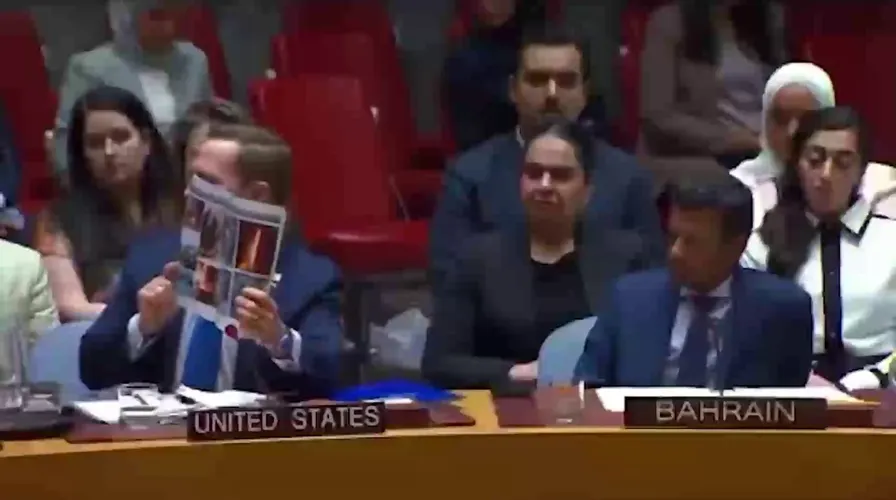
U.S. Ambassador to the United Nations Mike Waltz confronted Iran at a U.N. Security Council meeting, scolding the nation over drone and missile attacks in the Gulf region. The meeting itself was convened in direct response to the recent drone and missile attacks that targeted Bahrain and Kuwait on Sunday, an event that has significantly heightened regional tensions. Ambassador Waltz presented images he stated depicted the aftermath of Iranian drone and missile strikes on Bahrain and Kuwait, showcasing a destroyed home, a hotel, and a building utilized by first responders. These visual aids were intended to show the severity and impact of the recent aggressions.
Addressing Iran's representative directly during the council session, Mike Waltz declared, "Let me remind you where you are. This is the United States of America. This is the United Nations Security Council. You will not silence this body." His forceful remarks noted the gravity of the accusations being leveled against Iran. He further pressed the Iranian delegate, asking, "Are they lying? Is this hypocrisy? Is this what this council is here to denounce today? I ask the representative, are these lies? … I'd say not." This pointed questioning aimed to challenge Iran's narrative and emphasize the U.S. Position that the evidence of Iranian involvement was undeniable.
Escalating Tensions and Attacks
The drone and missile attacks in the Gulf region referenced by Ambassador Waltz took place following new U.S. Airstrikes against Iran, indicating a cycle of retaliatory actions. On June 27, President Donald Trump confirmed that U.S. Forces had targeted Iranian missile and drone storage locations. These strikes also hit coastal radar sites within Iran, marking a significant military engagement. President Trump indicated these actions were a response to Iran violating a ceasefire agreement, which had previously aimed to de-escalate tensions in the volatile region. The U.S. Operations precede the recent incidents in Bahrain and Kuwait, which specifically included strikes on a residential property, a hotel, and a facility used by first responders. The sequence of events shows a period of heightened military activity between the two nations in the region, with each side accusing the other of provocative actions.
Diplomatic Showdown
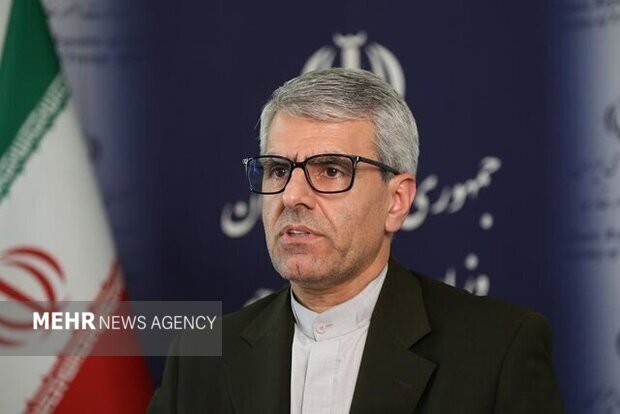
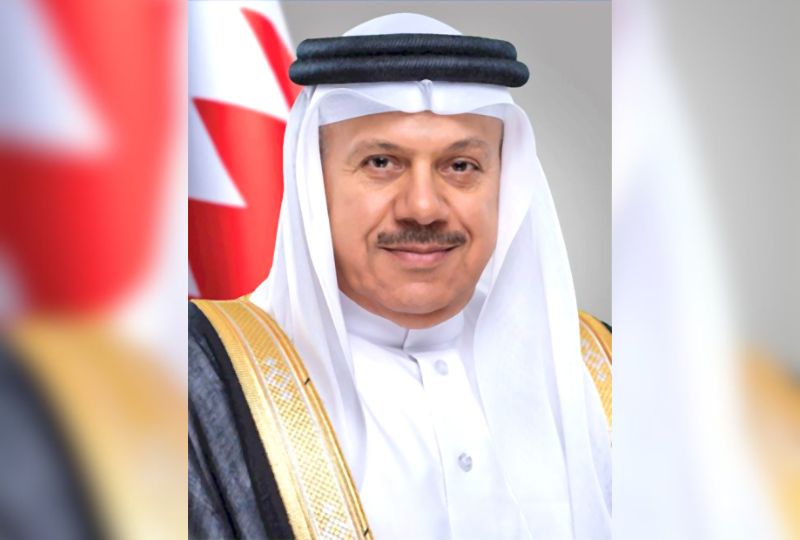
In the face of these grave accusations, Iran's representative countered the U.S. Claims, asserting that council members were disseminating falsehoods regarding its recent attack against neighboring Gulf states. This denial set the stage for a contentious diplomatic exchange within the Security Council. Meanwhile, Bahrain's Minister of Foreign Affairs, Abdullatif bin Rashid Al Zayani, provided specific figures concerning recent aggressions, painting a stark picture of the threats his nation has faced. He stated that since February 28, Bahrain has endured a staggering 808 attacks. These attacks, according to Al Zayani, were meticulously documented and comprised 203 ballistic missiles and 605 armed drones, illustrating the persistent and varied nature of the threats.
Accusations and Denials
The United Nations Security Council meeting was convened following the drone and missile attacks targeting Bahrain and Kuwait on Sunday, which served as the immediate catalyst for the emergency session. Bahrain's foreign minister, Abdullatif bin Rashid Al Zayani, further reported the tragic human cost of these recent attacks, stating that they resulted in the deaths of three innocent civilians. Additionally, Al Zayani stated that 465 other individuals were injured during these incidents, noting the significant impact on civilian populations and infrastructure. The U.S. And its allies continue to press for accountability, while Iran maintains its stance of denial, leading to a deepening diplomatic impasse over the escalating conflict in the Gulf.