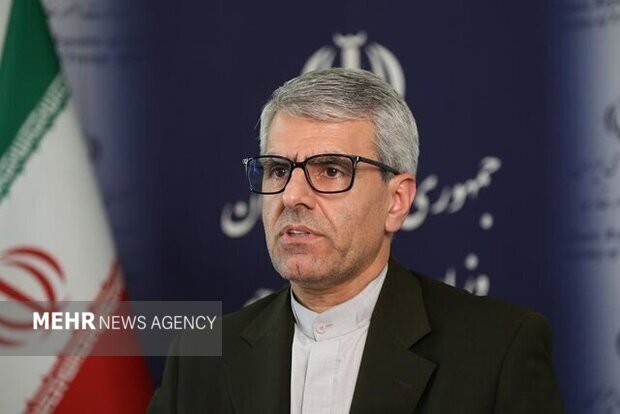
Iran accused the United States of bringing instability to the Middle East. The claim came amid ongoing tensions in the region, with Iran frequently criticizing US foreign policy and military presence in the Gulf. Tehran has consistently argued that American actions contribute to regional insecurity, rather than promoting stability, particularly as it relates to the Strait of Hormuz and broader Middle East. This stance reflects a deep-seated distrust of foreign military involvement and a belief that such presence exacerbates existing challenges. Iran views the US military footprint as a provocative element, undermining the prospects for genuine regional cooperation and peace.
Iran's Rejection of Blueprint
Iran rejected the United States' security blueprint for the Middle East, asserting that such plans would not foster stability. Tehran argued that enduring regional peace cannot be achieved through foreign intervention. The Iranian government maintained its stance that external involvement exacerbates tensions rather than resolving them. This perspective is central to Iran's foreign policy, which often emphasizes self-reliance and regional solutions without outside interference. Iran has consistently defended its military actions in the region, characterizing them as necessary measures for self-defense. These actions, often perceived differently by Western nations and their allies, are presented by Tehran as legitimate responses to perceived threats and as efforts to protect its national interests and regional influence. This position shows Iran's long-standing opposition to foreign military presence and alliances in the Gulf, particularly those led by Washington. The Islamic Republic maintains that regional security should be managed by countries within the area without external interference. This principle forms the bedrock of its arguments against initiatives like the Bahrain security summit.
Regional Security Context
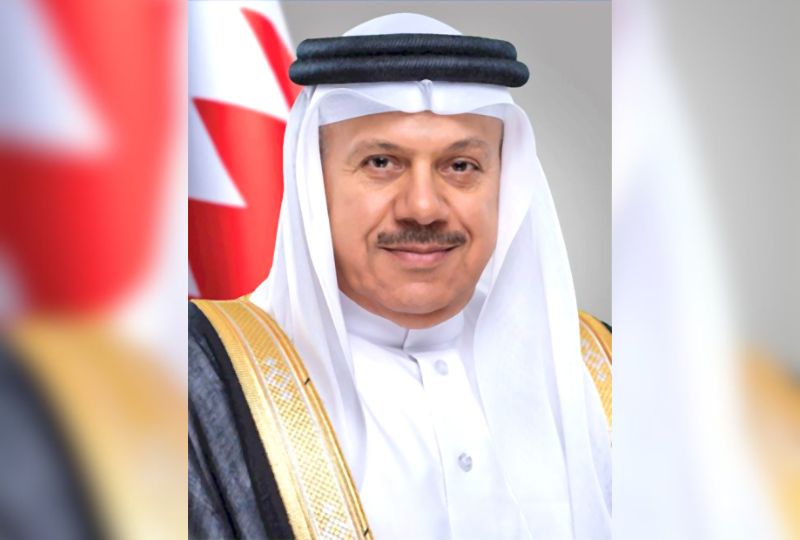
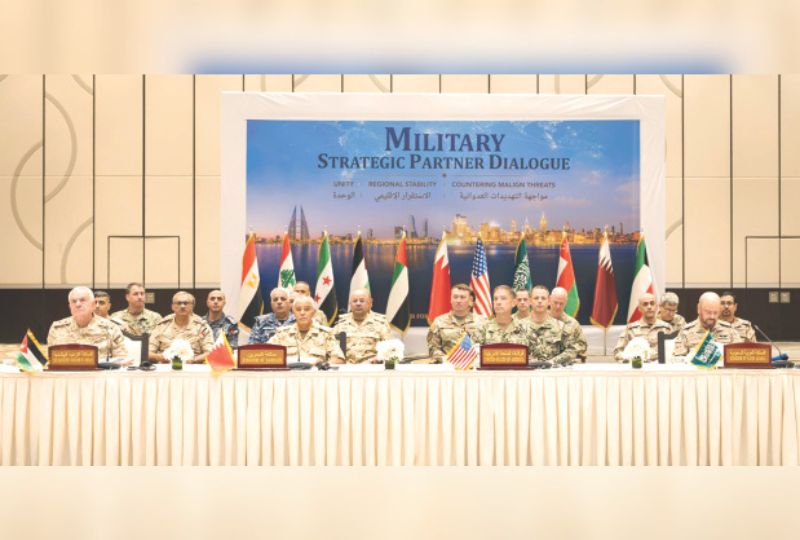
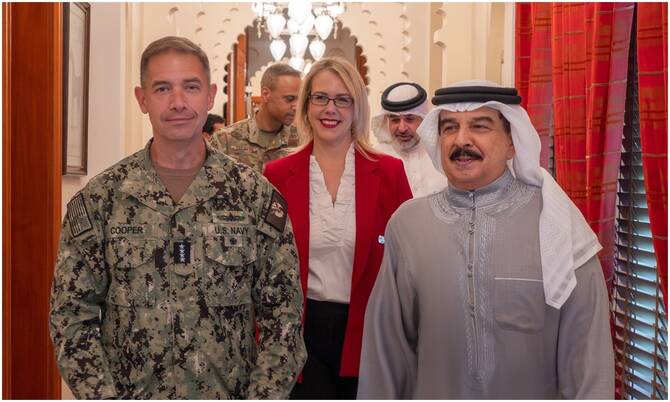
The United States convened its allies in Bahrain for a summit focused on regional security discussions. The gathering aimed to address various security concerns impacting the Middle East. This initiative by the U.S. Brought together several partner nations to deliberate on strategies and collaborative efforts to enhance stability in the sensitive region. The summit served as a key platform for Washington to engage with its allies, fostering dialogue on shared security challenges and potential cooperative responses. Discussions included strategies for maritime security, counter-terrorism efforts, and broader regional stability. The participants explored avenues for strengthening defense capabilities and intelligence sharing, aiming to create a more integrated security framework. The discussions in Bahrain occurred amidst ongoing geopolitical complexities and differing perspectives among regional and international actors regarding the most effective approaches to ensure peace and security. The summit served as a platform for Washington to engage with its allies on these critical issues, reinforcing existing partnerships and exploring new collaborative opportunities.
Diplomatic Tensions Persist
The latest exchange between Washington and Tehran occurs as U.S.-Iran diplomacy continues despite lingering tensions. These ongoing diplomatic efforts persist even amidst significant disagreements over security matters, economic sanctions, and the two nations' respective influence in the Middle East. The complex relationship involves a delicate balance of communication channels and persistent friction points, reflecting deep-seated mistrust and divergent strategic interests. Despite the sharp rhetoric and public condemnations, back-channel communications and indirect negotiations often continue, particularly on issues related to nuclear non-proliferation and regional conflicts. The continued engagement notes the complex nature of their relationship, balancing communication with persistent friction on key regional and international issues. This dynamic shows the challenge of managing one of the world's most enduring geopolitical rivalries.
US Stance on Dialogue
The United States has consistently maintained that its efforts in the Gulf and across the Middle East are aimed at promoting regional stability. Washington regularly emphasizes the importance of dialogue with its allies to counter what it describes as destabilizing activities in the region. The U.S. Approach involves fostering security partnerships to address shared concerns among countries in the area. American officials have often reiterated their commitment to ensuring freedom of navigation, particularly through vital waterways such as the Strait of Hormuz, which is critical for global energy supplies. These commitments are often articulated as essential for maintaining international trade and preventing disruptions that could have global economic repercussions. The ongoing diplomatic engagements with regional partners, including the summit in Bahrain, are part of this broader strategy to enhance security. The US views these collaborations as vital for building a collective defense against threats and ensuring the long-term stability of the Middle East.