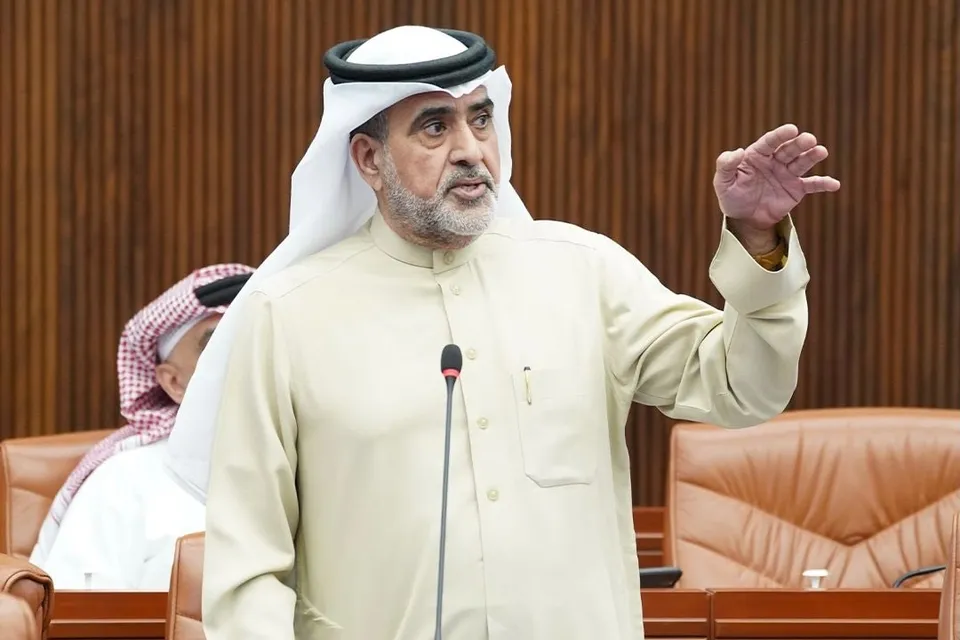
The Shura Council has commenced a review of the state's final accounts for the 2024 fiscal year in Bahrain. Legislators are examining the financial performance and budgetary allocations recorded across the government’s primary accounts. Alongside the review of the 2024 financial statements, the council is assessing the current standing of the Future Generations Reserve Fund. Members of the body are also evaluating the status of the Unemployment Insurance Fund to ensure alignment with fiscal objectives. These financial documents provide a summary of the state's expenditure and revenue activities throughout the previous year. The assessment process remains a central component of the council's oversight responsibilities regarding national economic management.
Economic Growth and Revenue
Non-oil revenue in Bahrain reached BD1.206 billion in 2024, reflecting a 4% increase over the previous year. This growth trend appeared alongside broader sectoral performance within the national economy. Official records indicate the non-oil sector grew by 3.8% in real terms during the 2024 fiscal period.
Government infrastructure and development projects also maintained high activity levels throughout the year. Data confirms that government projects achieved an implementation rate of 97.3% by the end of 2024. These figures form the basis of the current Shura Council review regarding the state’s financial performance and the effectiveness of fiscal management strategies applied across the year. Legislators continue to evaluate how these revenue and project completion metrics align with the established budgetary targets for the 2024 fiscal cycle.
Future Generations Fund Performance
Assets of the Future Generations Reserve Fund grew by 20.2% to reach approximately $924.2 million by the end of 2024. During the same period, the fund recorded an annual investment return of 7.8%.
Financial data indicates that the Ministry of Finance and National Economy processed transfers to the Future Generations Reserve Fund totaling approximately $79 million throughout 2024. Alongside these inflows, the fund managed liabilities related to its operational and investment activities. Outstanding debts for the Future Generations Reserve Fund reached approximately $23.9 million by the end of the year. Shura Council members are incorporating these asset, return, and debt figures into their broader assessment of national financial health and the long-term sustainability of state-managed capital reserves. The evaluation process examines how these specific fund metrics correlate with the overall budgetary performance observed during the 2024 fiscal cycle.
Unemployment Insurance Fund Stability
Net assets of the Unemployment Insurance Fund rose to BD530.9 million by the end of 2024. This figure represents an increase from the BD463.2 million recorded in 2023. Financial records provided to the Shura Council indicate that the fund maintained a positive balance between its incoming revenue and outgoing expenditures throughout the fiscal year. Specifically, the surplus of contributions over benefits for the Unemployment Insurance Fund reached approximately BD47.2 million in 2024. Legislators are utilizing these data points to determine the current stability of the fund as they continue their broader review of the state's 2024 financial performance. The council remains focused on how these surplus levels and asset growth metrics support the long-term sustainability of the insurance program for the national workforce.
Deficit and Debt Challenges
Bahrain faced significant fiscal pressures throughout 2024 as the overall budget deficit rose by 32.6%. Official financial records show the deficit reached approximately BD1.026 billion during the year, compared with BD774 million in 2023. These figures represent a notable expansion in the state's financing requirements as expenditures continued to outpace revenue collection.
Public debt levels also experienced upward momentum during the same period. Government data confirms that total public debt increased by 8.1% to approximately BD19.3 billion in 2024. This growth in total liabilities occurred alongside rising costs associated with state borrowing. Interest payments on loans rose by 12.1% in 2024, placing additional strain on the national budget. Shura Council members are currently analyzing these debt and deficit metrics to evaluate the impact of these financial obligations on the long-term sustainability of the state's fiscal position.