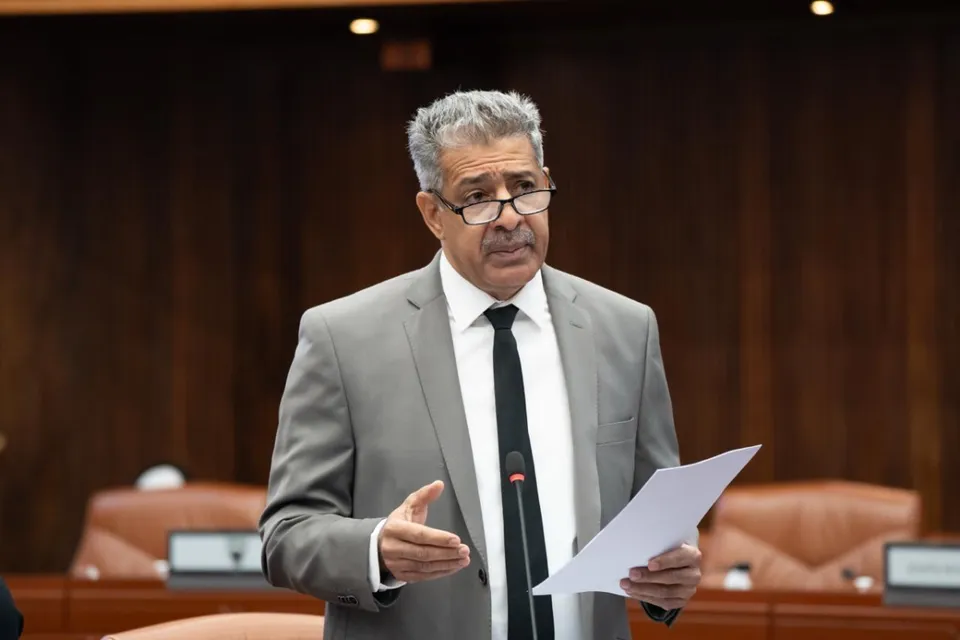
Parliament’s Financial and Economic Affairs Committee has proposed increasing the Bahraini jobs quota for privatised government projects from 50 percent to 80 percent. This legislative proposal aims to adjust workforce requirements for companies involved in state-led initiatives. Under the current plan, the mandated quota would apply to the full workforce of each project rather than solely focusing on new hires. The committee intends for these higher employment thresholds to cover the entirety of the project staff. Officials have submitted the measure for review as part of ongoing discussions regarding domestic labor policies. These adjustments to the existing employment framework represent a significant shift in how privatised government projects must manage their Bahraini staffing levels across all operational roles.
Scope of Proposed Legislation
The legislation applies specifically to privatised projects operating across a wide range of critical industries within Bahrain. These sectors include tourism, telecommunications, and transport services. The mandate also extends to infrastructure and utility operations, encompassing electricity, water, ports, and airports. The bill targets companies providing oil and gas services, as well as those managing postal services. By targeting these specific areas, the proposal intends to regulate the workforce composition of major state-linked ventures. The scope of the bill ensures that these diverse service sectors remain subject to the increased 80 percent Bahraini employment quota. Consequently, any entity involved in these privatised government projects must align their staffing structures with the proposed national labor requirements.
Government Concerns Over Costs
The government warned that fixed hiring quotas could increase operating costs, discourage investment, and create staffing mismatches. Officials expressed concern that these mandated thresholds might hinder the competitiveness of privatised government projects by limiting the ability of companies to hire based on specific technical requirements.
Four ministries—Oil and Environment, Transportation and Telecommunications, Electricity and Water Affairs, and Tourism—have formally objected to the bill. These departments submitted their opposition as part of the ongoing review process, citing potential difficulties in managing labor supply for specialized technical operations. The ministries indicated that current workforce availability in certain skilled sectors may not align with the proposed 80 percent target, creating operational bottlenecks.
A separate legal study suggested that enforcement of the quota could require penalties such as fines, payment deductions, contract cancellations, or license suspensions. This analysis identified a need for strict oversight mechanisms to ensure compliance among private entities involved in government-linked initiatives. According to the study, these punitive measures would serve to deter non-compliance but could also lead to protracted legal disputes between the state and private contractors.
Parliament is scheduled to debate and vote on the bill on Tuesday, 27 October 2026. This session will determine whether the proposal proceeds to a final legislative stage or faces further amendments. Lawmakers are expected to weigh the concerns presented by the ministries against the intended goal of increasing Bahraini employment in major state projects. The outcome of this vote will define the regulatory environment for firms operating under contracts with the government.