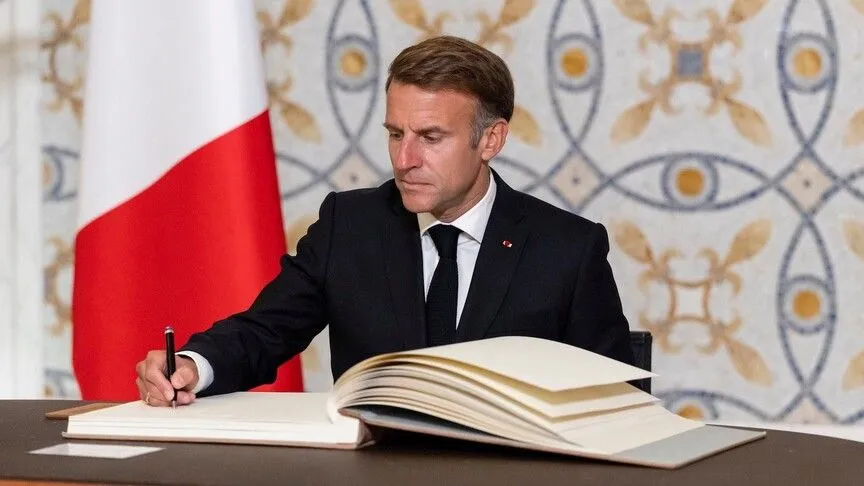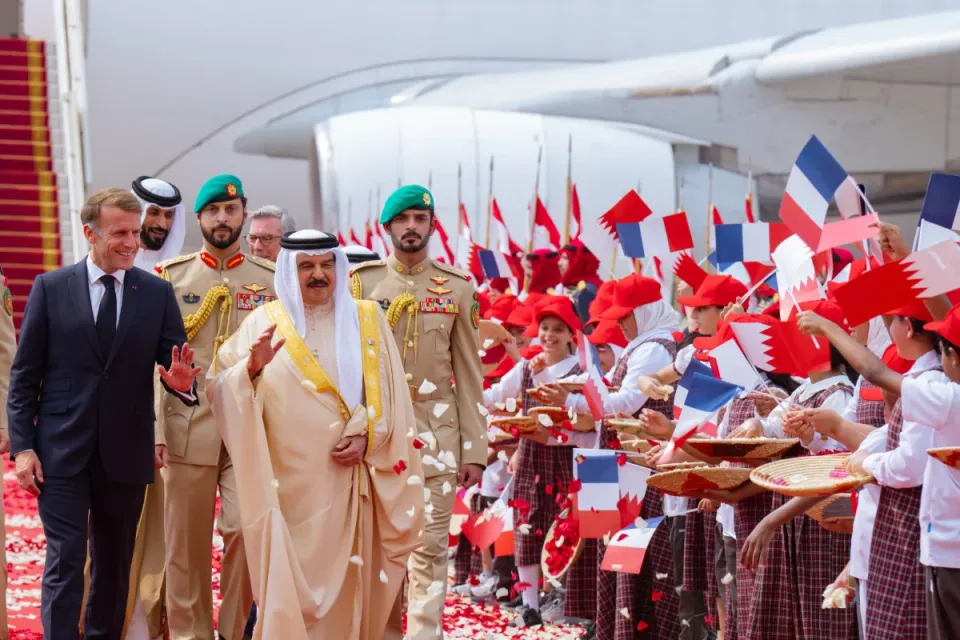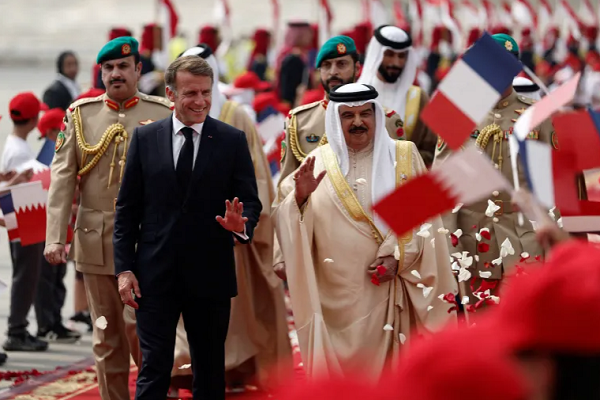
President Emmanuel Macron concluded a diplomatic tour of Kuwait, the United Arab Emirates, Bahrain, and Qatar on 21 October 2026. The presidential delegation conducted this series of state visits between October 19 and 21, 2026, engaging with leadership across the four nations.
More than 30 rights organizations signed a joint letter to President Emmanuel Macron criticizing his visit to Bahrain. The signatories include the Bahrain Institute for Rights and Democracy (BIRD), Human Rights Watch, and the International Federation for Human Rights (FIDH). These organizations formally expressed their disapproval of the diplomatic engagement through this joint correspondence.
Sayed Ahmed Alwadaei, advocacy director at BIRD, stated, "France must not sacrifice human rights for lucrative Persian Gulf deals under the guise of regional security," adding, "Bahrain must not be allowed to buy France's silence." Activist Maryam al-Khawaja noted, "Macron is in Bahrain, where two EU prisoners of conscience are still imprisoned after 15 years." Antoine Madelin of FIDH urged that France "must look beyond immediate supplies."
Escalating Crackdown on Dissent
The concerns raised by the advocacy groups center on the domestic political climate within the host nation. Since late February, Bahrain has detained more than 700 people and stripped 69 citizens of their citizenship, including 33 children. These figures represent the total number of individuals impacted by government-led actions against dissidents during the period spanning from the end of February to 21 October 2026. Authorities maintained these measures throughout the duration of the diplomatic tour, drawing further scrutiny from international observers regarding the status of those currently detained.
Energy Security and Diplomacy
The diplomatic tour was accompanied by significant discussions regarding fuel supply chains. France secured commitments for 100,000 tons of extra diesel per month from the United Arab Emirates and 100,000 tons of extra diesel from Bahrain. These bilateral agreements aim to bolster domestic fuel stocks during the current supply period.
The procurement of these energy resources remains a central component of the administration's current foreign policy strategy. Total monthly diesel commitments for France, which include contributions from Saudi Arabia, reached 295,000 tons. This combined volume represents over 10 percent of the total diesel consumption for France. By securing these additional supplies, the French government intends to stabilize internal reserves against potential fluctuations in the energy market. The agreements reflect the priority placed on these specific bilateral partnerships as France navigates its current energy requirements. The state visits to the four Gulf nations served as the primary mechanism for finalizing these logistical arrangements for the upcoming months.