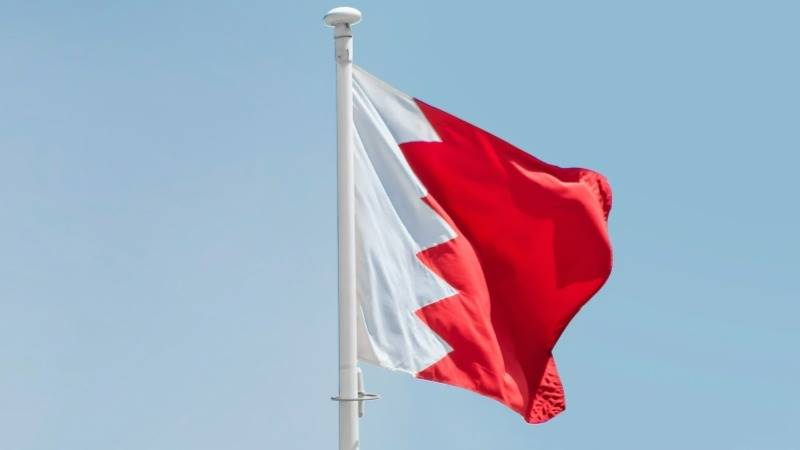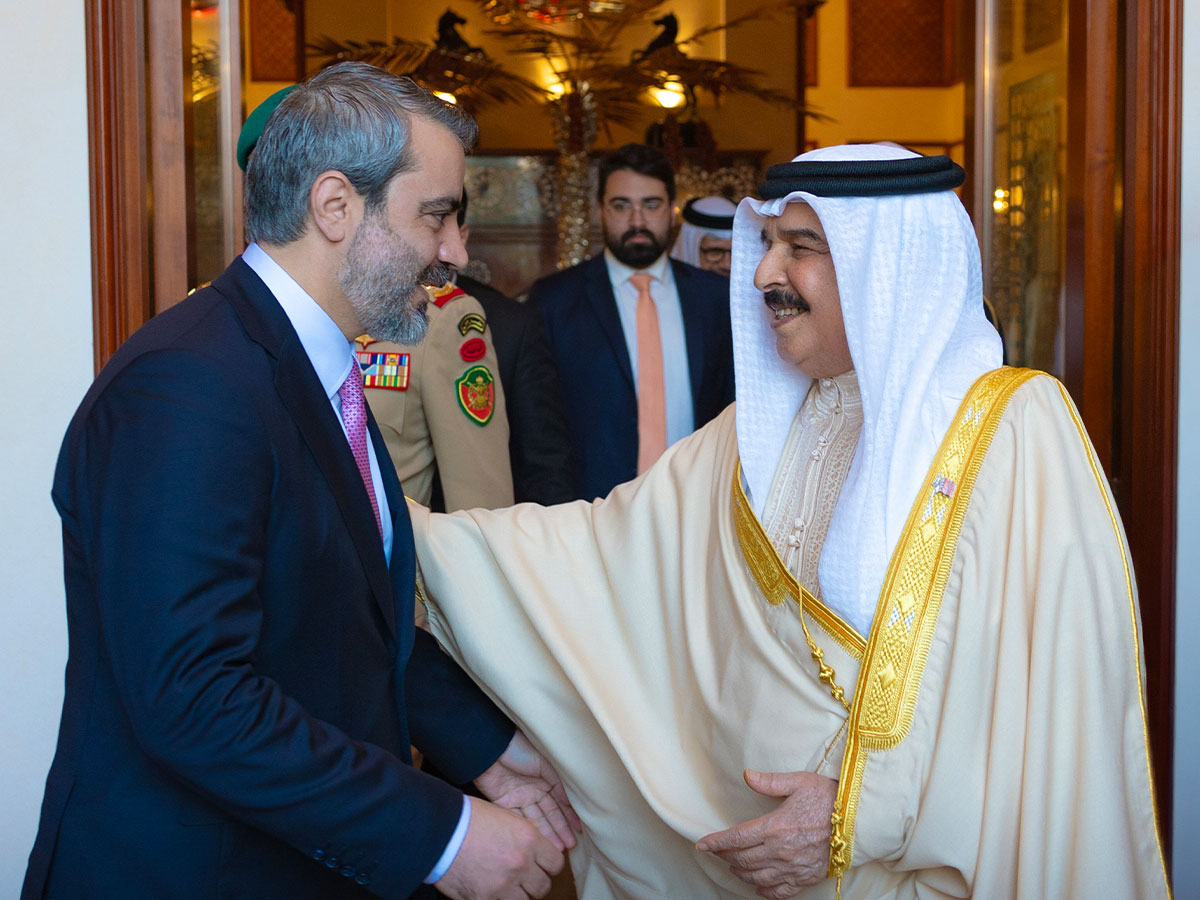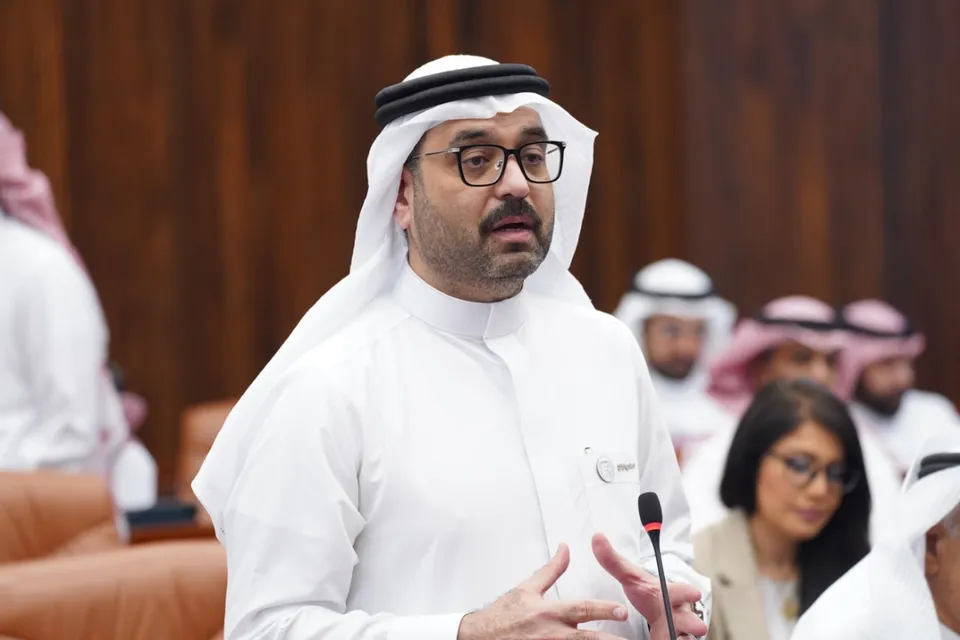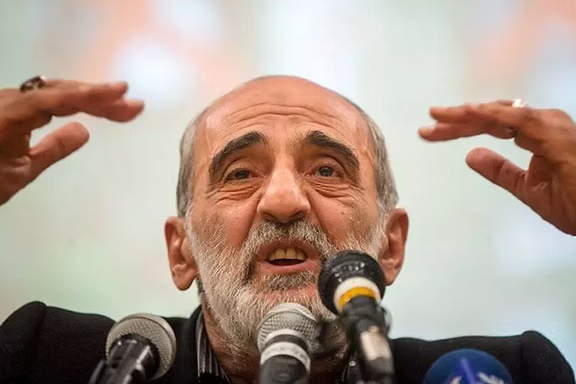
Hossein Shariatmadari, the editor-in-chief of the hardline Kayhan newspaper, asserted a territorial claim over Bahrain on 24 October. During a public statement, the editor declared, "Bahrain belongs to us. When the time comes, we will take it back." This pronouncement regarding the status of the island nation contributes to shifting diplomatic discourse in the region. Iranian officials have not issued a formal response to the editor's comments regarding the sovereignty of Bahrain. The statement from the Kayhan newspaper follows recent regional maneuvers involving military and diplomatic stakeholders. Foreign observers remain focused on how such rhetoric influences relations between Tehran and neighboring states.
Diplomatic Engagements in Tehran
Field Marshal Asim Munir of Pakistan traveled to Tehran on 20 October 2026 to conduct a series of high-level meetings. During his visit, the military chief held separate discussions with Iranian President Masoud Pezeshkian and Foreign Minister Abbas Araghchi. Field Marshal Asim Munir also met with Parliament Speaker Mohammad Bagher Ghalibaf to address bilateral security concerns. Security chief Mohsen Rezaei participated in the talks as part of the formal engagement. These meetings involved senior leadership figures from the Iranian government and security apparatus. The discussions focused on military cooperation and regional stability. Following the conclusion of these sessions, the delegation departed the capital. No official joint statement was released regarding the specific outcomes of the diplomatic meetings held by the Pakistani military leadership.
New Regional Defense Alliances
Pakistan deployed approximately 8,000 troops, a squadron of fighter jets, and air-defense systems to Saudi Arabia. This deployment followed a bilateral agreement reported in May 2026.
Separately, Pakistan, Saudi Arabia, and Turkey signed the Makkah Joint Defense Agreement in August 2026. The terms of this pact treat an attack against one member as an attack against all. This security arrangement formalizes a collective defense posture among the three nations. These developments follow the military and diplomatic maneuvers involving regional stakeholders. The expansion of these defense ties reflects shifting security priorities between Islamabad, Riyadh, and Ankara. No further details regarding the operational integration of these forces were disclosed by the signatory governments following the ratification of the agreement.
Escalating Sanctions and Blockades
The United States Treasury sanctioned Iranian truck and auto manufacturers along with their suppliers in Turkey, the United Arab Emirates, and East Asia on 1 October 2026. These measures aim to restrict the industrial and logistical capabilities of the Iranian automotive sector.
CENTCOM officials reported that a US-led blockade has successfully intercepted $25 billion in Iranian oil exports. This enforcement action continues to impact the revenue streams generated by the country’s energy sector.
Maritime security sources documented at least 12 attacks on tankers operating near the Strait of Hormuz during the week ending on 5 October 2026. These incidents occurred amidst heightened concerns regarding the safety of commercial shipping lanes in the area.
United States Ambassador to Turkey Tom Barrack stated on 23 October 2026 that a US strike on Iran could occur as early as the weekend of 24-25 October 2026. The announcement reflects the current assessment of military options regarding regional security.