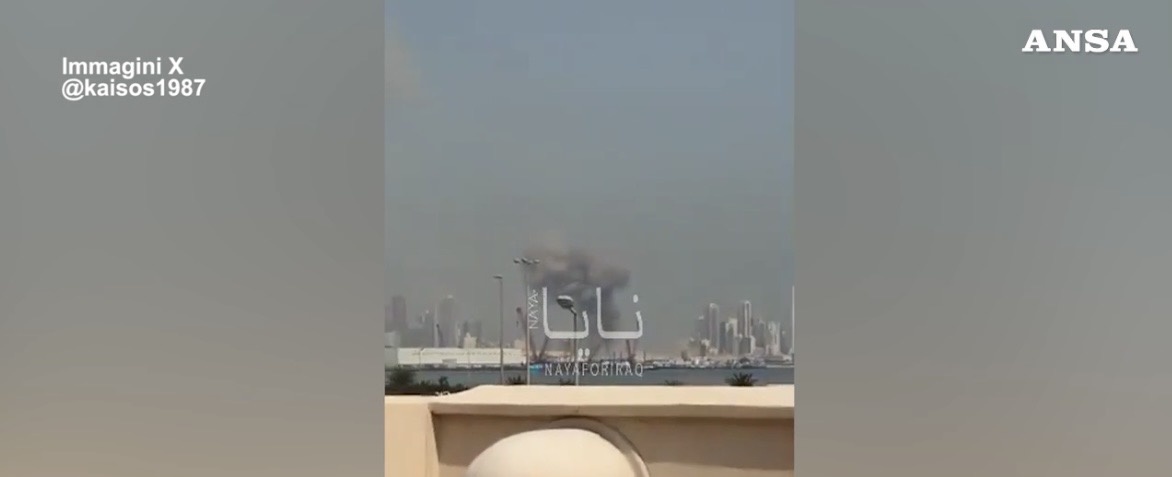
The U.S. Naval Support Activity (NSA) in Manama, Bahrain, sustained attacks during the opening days of Operation Epic Fury. These incidents occurred as regional tensions escalated, placing the installation at the center of the ongoing military engagement. The U.S. Naval Support Activity (NSA) in Manama, Bahrain, suffered attacks during the opening days of Operation Epic Fury, causing immediate concern regarding the security posture of the facility.
Reports indicate that the current geopolitical situation stems from a network of international alliances. Specifically, the Daily Kos claims that Russian and Chinese support for Iran, alongside Iranian support for Russia against Ukraine, serves as a primary driver of the instability surrounding the operation. The article claims that Russian and Chinese support for Iran, and Iranian support for Russia against Ukraine, is contributing to the current geopolitical situation. This complex web of international cooperation and strategic backing has complicated the operational environment for forces stationed within the region. By aligning their logistical and military interests, these nations have created a framework that directly influences the security environment surrounding the U.S. Naval Support Activity (NSA) in Manama, Bahrain.
Military families stationed at the Bahrain base now face a November 30 deadline for the receipt of essential support. This cutoff date affects the availability of housing and financial assistance programs for those personnel remaining at the site. Military families stationed at the Bahrain base face a November 30 deadline for support, including housing and financial assistance. This specific timeline imposes significant logistical burdens on families who must navigate the transition of their living arrangements while the base remains under the pressures of Operation Epic Fury. The termination of these programs on the specified date necessitates that families reevaluate their long-term stability in the area.
The U.S. Naval Support Activity (NSA) in Manama, Bahrain, remains a focal point for these logistical concerns, as the impact of the November 30 deadline is felt by all residents who rely on these specific military-provided resources. The intersection of the security threats posed during the opening days of Operation Epic Fury and the impending cessation of housing and financial aid creates a unique challenge for the command structure. As the deadline approaches, the reliance on these services notes the vulnerability of those stationed at the installation. The Daily Kos report emphasizes that the broader geopolitical landscape, characterized by the support arrangements involving Russia, China, Iran, and Ukraine, is inextricably linked to the volatility currently experienced at the U.S. Naval Support Activity (NSA) in Manama, Bahrain.
Consequently, the families affected by the November 30 deadline are managing their affairs against a backdrop of international friction. The combination of the attacks that occurred during the opening days of Operation Epic Fury and the loss of support services after the November 30 deadline shows the precarious nature of the current deployment. Every family unit at the U.S. Naval Support Activity (NSA) in Manama, Bahrain, must now account for these variables as they prepare for the period following the cutoff. The ongoing military engagement continues to dictate the pace of life at the base, while the geopolitical claims regarding the involvements of Russia, China, Iran, and Ukraine provide the context for the instability. As the situation evolves, the focus remains on the security of the installation and the welfare of the personnel and their families stationed at the U.S. Naval Support Activity (NSA) in Manama, Bahrain.