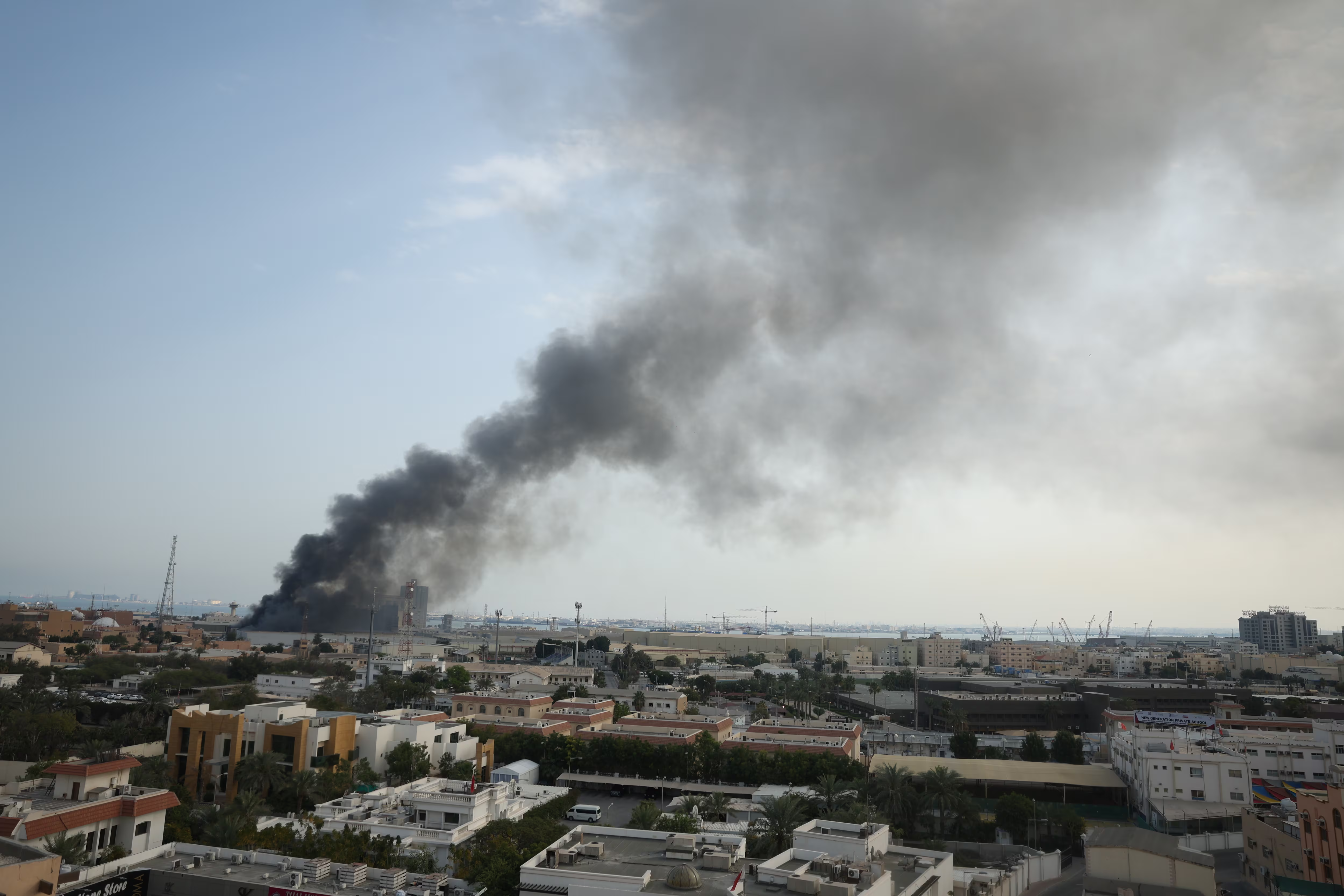
On February 28, Iran launched missile and one-way attack drone strikes against Naval Support Activity (NSA) Bahrain. The sophisticated assault followed military strikes on Iran by U.S. And Israeli forces, escalating regional tensions. The U.S. Navy is now abandoning its Bahrain hub due to extensive damage from the Iranian assault, marking a significant strategic setback. This relocation has prompted a significant logistical shift, with Diego Garcia, a key U.S. Military base in the Indian Ocean, being considered as a primary alternative for operations. However, Diego Garcia is located more than 2,000 miles away from the Navy’s carrier strike groups operating in the Middle East, posing considerable challenges for naval support.
Attack Details and Damage Assessment
Damage to Naval Support Activity (NSA) Bahrain's Fifth Fleet headquarters, barracks, warehouses, and communication towers is estimated to result in construction costs of approximately $400 million. This substantial assessment follows the Iranian missile and drone strikes on the facility, which inflicted widespread destruction. Despite the extensive damage, the Pentagon initially reported zero fatalities from the attack, a point emphasized in its initial statements. The Pentagon stated that the strikes did not significantly impact military operations at the time of the incident. The substantial damage, however, has necessitated the Navy's decision to abandon the Bahrain hub, prompting a reevaluation of its logistical footprint in the region and long-term operational capabilities.
Operational Shift to Diego Garcia
The U.S. Navy has transitioned to utilizing a logistics hub located at Diego Garcia, an atoll situated in the Indian Ocean, as a direct response to the damage in Bahrain. This shift comes as Naval Support Activity Bahrain is abandoned due to extensive damage sustained from recent Iranian attacks, rendering it unsuitable for continued operations. The relocation to Diego Garcia has introduced new logistical challenges for naval operations in the region, particularly concerning the timely provisioning of supplies. Sailors are now required to place food orders 30 days in advance due to the considerable distance of the new hub from active operational areas. This pre-ordering system is a direct consequence of the extended supply lines now in effect, significantly impacting the efficiency of provisioning for deployed personnel and noting the complexities of maintaining readiness. For instance, sailors onboard an Independence-class littoral combat ship were unable to get food resupplies after NSA Bahrain was damaged, showing the immediate impact of the disruption. The move shows the adjustments necessary to maintain operational readiness following the disruption in Bahrain.
Impact on Sailors and Families
The operational changes have had a profound impact on military personnel and their families. Sailors aboard an Independence-class littoral combat ship faced difficulties obtaining food resupplies following damage to Naval Support Activity Bahrain, illustrating the immediate logistical strain. Military families voiced concerns regarding food shortages and declining morale aboard the USS Abraham Lincoln at an August 11 town hall meeting in San Diego. Their unease was compounded by the fact that the USS Abraham Lincoln had not made an official port call in more than seven months, exacerbating the challenges of prolonged deployment. Thousands of troops and their families are reportedly still in limbo, residing in temporary lodging while awaiting reunification with their belongings and pets, a direct consequence of the base's destruction and the subsequent upheaval. This situation notes the human cost of the attack and the ongoing challenges faced by military families.
Future Uncertainty and Challenges
The U.S. Navy's abandonment of Naval Support Activity Bahrain and the subsequent shift to Diego Garcia present significant ongoing challenges for regional operations. The relocation necessitates new logistical strategies for forces operating in the Middle East, including carrier strike groups, which now face longer supply lines and increased planning requirements. Military families remain in limbo, awaiting reunification and stability after the base's destruction, grappling with the uncertainty of their living situations. The strategic implications of this move are considerable, forcing a re-evaluation of the Navy's forward presence and support infrastructure in a critical geopolitical region.