The IRGC Public Relations Department issued its fifth statement, announcing that the IRGC Navy struck the FPS long-range air radar in the Kingdom of Oman. The statement began with the declaration, "In the name of Allah, the Breaker of the Oppressors," and continued with a religious verse: "Fight them until there is no more persecution and all religion is for Allah." The department further addressed the "uprising nation of Iran," stating, "the decisive and crushing operations of your children in the armed forces have driven the child-killing US army to desperation. In their latest aggressions, by targeting an agricultural water pump in Mahshahr County, the American aggressors once again demonstrated their anti-people nature." This specific targeting of civilian infrastructure was noted by the IRGC as a key indicator of the US military's approach to the region.
IRGC Claims and Justifications
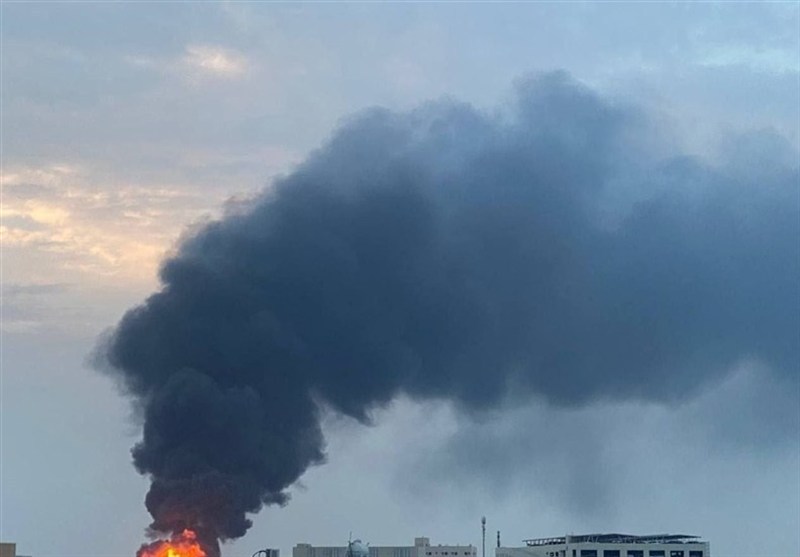
The Islamic Revolutionary Guard Corps (IRGC) stated that American aggressors targeted an agricultural water pump in Mahshahr County. The IRGC asserted this incident demonstrated the "anti-people nature" of the American aggressors, framing it as a direct attack on the livelihoods of the Iranian populace. This claim served as a significant justification for the IRGC's retaliatory actions. The IRGC issued a warning regarding potential consequences for the global oil and gas sector. The organization cautioned that continued US interference would lead to greater incidents in this critical economic area, suggesting a broader impact beyond military engagements. This warning shows the IRGC's view that US military presence and activities directly threaten regional stability, including vital economic interests. The IRGC emphasized that such interference could disrupt global energy supplies, with potential ramifications for international markets.
Details of the Strikes
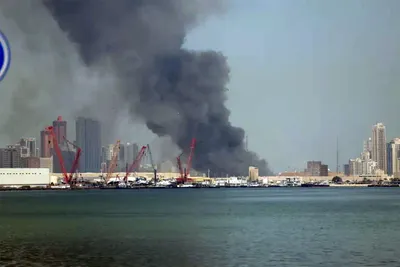
The Islamic Revolutionary Guard Corps (IRGC) Navy targeted US military facilities and infrastructure located in Jufair, Bahrain. This action occurred amid escalating tensions in the region, marking a direct response to perceived US aggression. The targeting of these specific facilities in Jufair indicates a deliberate focus on American military presence in the Gulf. The operations also extended to the Kingdom of Oman, where the IRGC Navy destroyed a vessel detection radar. This destruction of a critical surveillance asset further demonstrates the IRGC's capability to impact US-linked infrastructure in the region. These strikes were part of a series of actions attributed to the IRGC, reflecting a strategic effort to counter US influence. The targeting of these specific locations marks a direct engagement with US assets in the Gulf, signaling a significant escalation in the ongoing regional dynamics. The precision of these operations indicates a calculated approach by the IRGC in responding to what it perceives as provocative actions.
IRGC Statements and Warnings
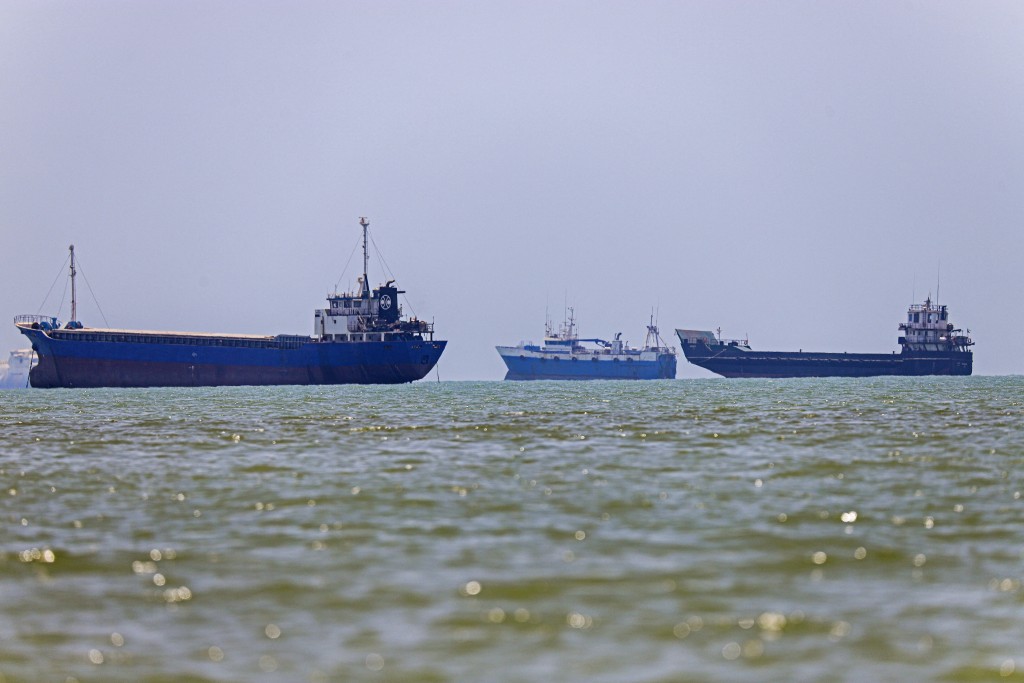
The Islamic Revolutionary Guard Corps (IRGC) declared that the Strait of Hormuz will only be reopened for vessel transit once the US military ceases its interference. This statement from the IRGC outlines a condition for the resumption of unimpeded maritime traffic through the critical waterway, a vital choke point for global oil shipments. The organization's stance links the operational status of the Strait directly to the presence and activities of US forces in the region, thereby asserting its influence over international navigation. The IRGC has consistently vocalized its position on foreign military involvement affecting regional security and economic pathways. Their recent pronouncements suggest a firm position on the necessity of US military withdrawal for the normalization of shipping in the Strait of Hormuz. This conditionality places direct pressure on the United States to reconsider its military posture in the Middle East, according to the IRGC's perspective. The IRGC views the cessation of US military interference as a prerequisite for de-escalation and the secure passage of vessels through this strategically important maritime route.