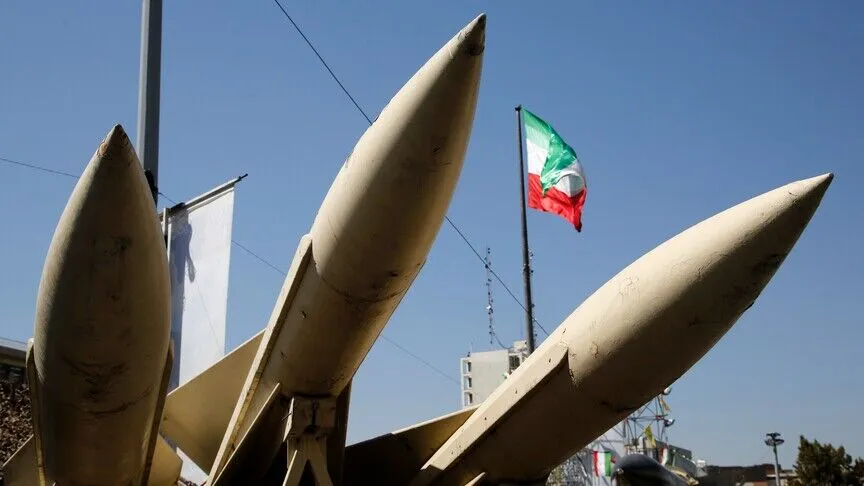
Iran's Islamic Revolutionary Guard Corps (IRGC) claimed on Tuesday that it destroyed several US weapons and drones in attacks conducted in Bahrain and Kuwait. The IRGC stated these incidents were part of a simultaneous missile and drone operation, a significant escalation in regional tensions. According to the IRGC, the operation "destroyed or damaged a number of drones by attacking the ramp where the enemy MQ9 drones were deployed at the Ali Salem base in Kuwait." Kuwait later referenced the events as involving "hostile aerial targets," without specifying their origin or the extent of any damage. The IRGC's claims, disseminated through state media, mark a direct assertion of military action against US assets in the Gulf region.
Attacks Detailed
Several weapons and parts storage sheds for "enemy ships and aircraft" were destroyed at the Sheikh Isa base in Bahrain, according to an IRGC statement carried by state news agency IRNA. The statement claimed these destructions occurred "during a simultaneous missile and drone operation a few hours ago," indicating a coordinated effort across multiple locations. The IRGC elaborated that the operation targeted critical infrastructure supporting US military operations in the region. This alleged destruction at Sheikh Isa base notes the IRGC's asserted capability to strike at perceived US military installations. In Bahrain, sirens sounded for the fourth time on Tuesday evening, signaling potential aerial threats and prompting concern among residents. The repeated sounding of alarms shows the heightened state of alert in the country following the reported incidents.
Kuwait's air defenses engaged "hostile aerial targets" in the country's airspace, the Kuwaiti government reported. This official acknowledgement confirms aerial activity over Kuwait but refrains from validating the specifics of the IRGC's claims. Kuwait described the events as involving "hostile aerial targets," maintaining a cautious stance on attribution and impact. The IRGC's statement, however, specifically claimed its forces "destroyed or damaged a number of drones by attacking the ramp where the enemy MQ9 drones were deployed at the Ali Salem base in Kuwait." This detailed assertion by the IRGC points to a precise targeting strategy aimed at disrupting US drone capabilities in the region.
Broader Tensions Context
The attacks in Bahrain and Kuwait occurred amid escalated tensions between the United States and Iran, particularly concerning the Strait of Hormuz in recent days. This vital maritime chokepoint has been a flashpoint for confrontations, with both sides asserting their presence and challenging the other's actions. These incidents follow a period where both the U.S. And Iran have exchanged attacks, indicating a persistent and volatile state of affairs. The nature of these exchanges has varied, including maritime incidents, cyber-attacks, and proxy engagements, contributing to a complex and unpredictable security environment. Despite these confrontations, a Pakistani-mediated memorandum of understanding had previously been established, aiming to end their conflict and facilitate a lasting peace agreement. The recent IRGC claims and reported aerial engagements, however, suggest a significant challenge to the stability sought by such diplomatic efforts. The ongoing series of actions and counter-actions shows the fragility of regional peace and the deep-seated animosity between Washington and Tehran.
IRGC Claims and Evidence
The Islamic Revolutionary Guard Corps (IRGC) stated its forces "destroyed or damaged a number of drones by attacking the ramp where the enemy MQ9 drones were deployed at the Ali Salem base in Kuwait." The IRGC's claim, disseminated via state news agency IRNA, detailed the specific target as the deployment ramp for MQ9 drones, suggesting a deliberate and intelligence-driven operation. This assertion came as Kuwait's air defenses reportedly engaged "hostile aerial targets" within the country's airspace, corroborating the presence of unauthorized aerial objects. Kuwaiti authorities referenced these events as involving "hostile aerial targets" without elaborating further on the nature, origin, or specific impact of the aerial objects, leaving the IRGC's claims unconfirmed by official Kuwaiti sources regarding specific damage or targets. The IRGC's statement linked the alleged damage to a "simultaneous missile and drone operation" it conducted, emphasizing the synchronized nature of its reported military actions. These claims, if independently verified, would represent a significant direct strike against US military assets in the Gulf.