The United States conducted its third consecutive night of strikes against Iran, prompting threats of retaliation from the United Arab Emirates. These latest actions by the United States mark a significant escalation in regional tensions. The US military stated the strikes aimed to degrade Iran's capacity to target commercial shipping in the Strait of Hormuz, a critical waterway for global trade. US Central Command claimed these actions were intended to deter further aggression, following an attack on tankers that resulted in the death of one Indian national and injuries to six Indians and two Ukrainians. This incident showed the vulnerability of maritime traffic in the region and prompted the strong US response. "These strikes will continue imposing a heavy cost on Iranian forces and degrade their ability to attack innocent civilians and commercial shipping in the Strait of Hormuz," the US military said, emphasizing the strategic importance of protecting international shipping lanes.
US Escalates Strikes
US Central Command announced the completion of its strikes against Iran at 10:15 p.m. ET (3:15 a.m. Tuesday UTC). This marked the culmination of the third consecutive night of US military operations targeting Iranian assets. US forces targeted military installations across several Iranian locations, including Bushehr, Chah Bahar, Jask, Konarak, Abu Musa, and Bandar Abbas. The precision targeting aimed to reduce Iran's capability to project power and threaten maritime activities. The US military stated these actions are a direct response to recent aggression, aiming to diminish Iran's capacity to threaten maritime traffic in the vital Strait of Hormuz. "These strikes will continue imposing a heavy cost on Iranian forces and degrade their ability to attack innocent civilians and commercial shipping in the Strait of Hormuz," the US military affirmed, reiterating its commitment to safeguarding commercial shipping.
Following these strikes, the US military is scheduled to resume its blockade of Iranian ports. This blockade will commence at midnight local Wednesday in Dubai. The move signals a continued effort by US forces to exert pressure on Iran regarding its activities in the region, particularly concerning the critical Strait of Hormuz. The blockade is expected to further restrict Iran's access to international trade routes, adding another layer of economic and military pressure. This measure is part of a broader strategy to ensure the security of the maritime domain and deter future Iranian aggression.
Iran's Retaliatory Attacks
Iran responded swiftly to the US strikes by targeting Bahrain and two oil supertankers associated with the United Arab Emirates as they transited the Strait of Hormuz. These retaliatory actions immediately heightened the already volatile situation in the Gulf. Iran's Islamic Republic Guard Corps (IRGC) asserted that it launched missile and drone attacks specifically aimed at the US Fifth Fleet, which is based in Bahrain. The IRGC's statement regarding the US Fifth Fleet suggests a deliberate targeting of American military assets in the region, indicating a direct challenge to the US military presence. The retaliatory actions escalated tensions in the critical maritime pathway, raising concerns about broader regional conflict.
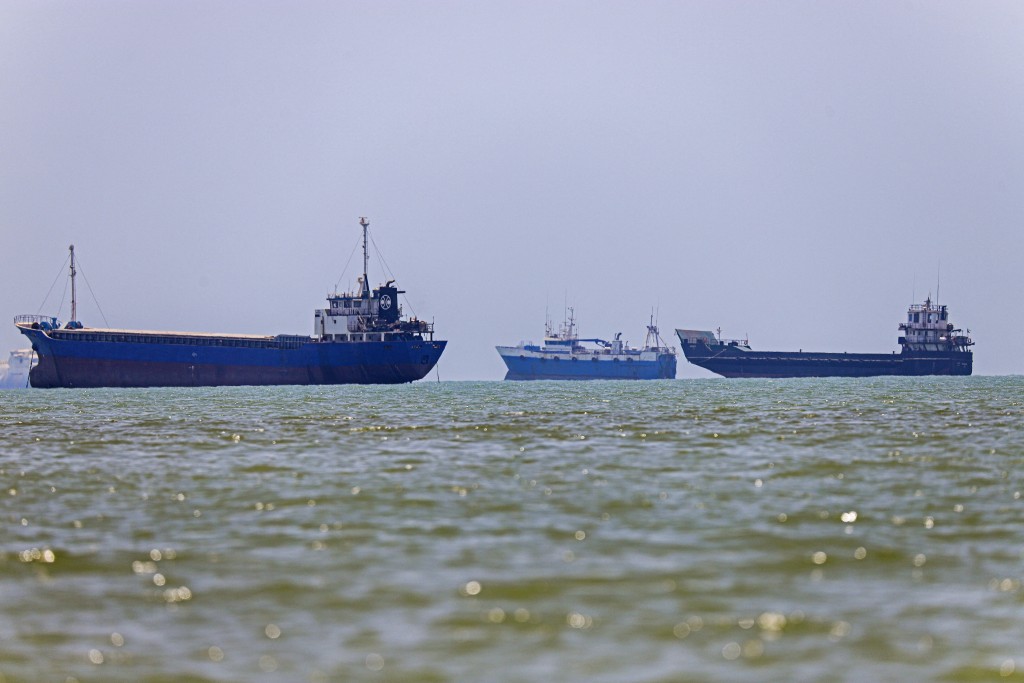
The United Arab Emirates Defense Ministry confirmed that Iran launched two cruise missiles, which targeted the tankers Mombasa and Al Bahiyah. Both vessels are linked to the UAE and were traversing the Strait of Hormuz when the incident occurred, showing the direct threat to commercial shipping. Following an attack, Bahrain activated its missile alert siren, indicating the immediate threat perceived by the Gulf nation. This activation notes the severity of the attacks and the readiness of regional defenses. This series of events marks a direct and rapid escalation after the US military's recent operations, demonstrating Iran's willingness to retaliate against both military and commercial targets. The attacks on commercial shipping underline the broader impact on international maritime activities and the potential for disruption in a vital global energy route, which serves as a major artery for the world's oil supply.
Global Impact and Policy Shift
The recent tanker attacks resulted in the death of one mariner, with eight others sustaining injuries. Specifically, the attack on the tankers killed one Indian national and wounded six Indians and two Ukrainians, illustrating the international human cost of these incidents. These incidents highlight the vulnerability of commercial shipping in the Strait of Hormuz, a critical maritime passage that is indispensable for global energy supplies. Historically, the Strait of Hormuz has served as a key conduit for global energy supplies, with a fifth of all crude oil and natural gas transiting through it during peacetime. This makes any disruption in the strait a matter of international concern, with potential ripple effects on global energy markets and economies. The current escalation poses a significant threat to this vital flow of resources.
In a significant policy shift, the United States announced that it will charge 20 percent of the value of cargo as reimbursement for protection costs for vessels moving through the Strait of Hormuz. This measure is intended to offset the expenses associated with safeguarding maritime traffic in the volatile region, following the increased threats to commercial shipping. The new policy could impact global trade and energy markets as shipping companies adjust to the added costs of transit through the strategic waterway. This financial imposition reflects the heightened security risks and the substantial resources required to maintain safe passage in the strait. The decision shows the US commitment to ensuring the security of international waters, even as it introduces new economic considerations for global commerce.