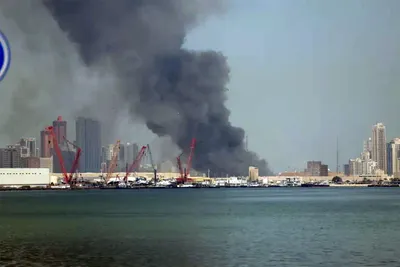
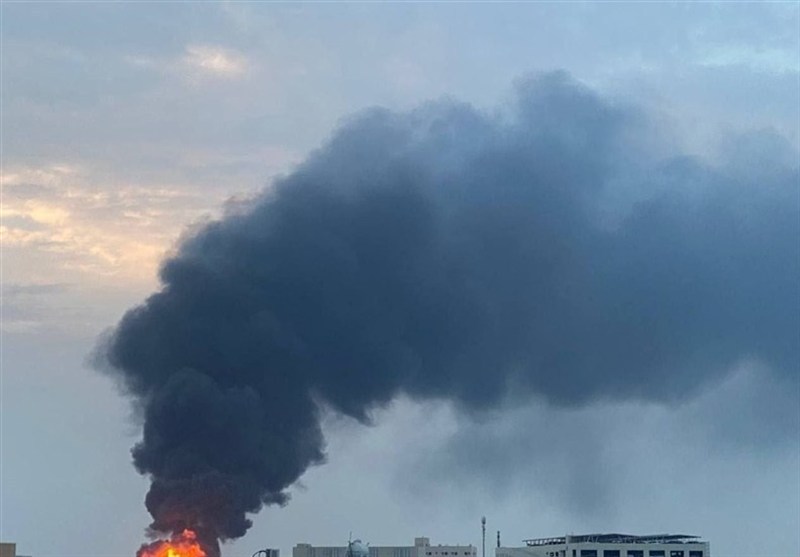
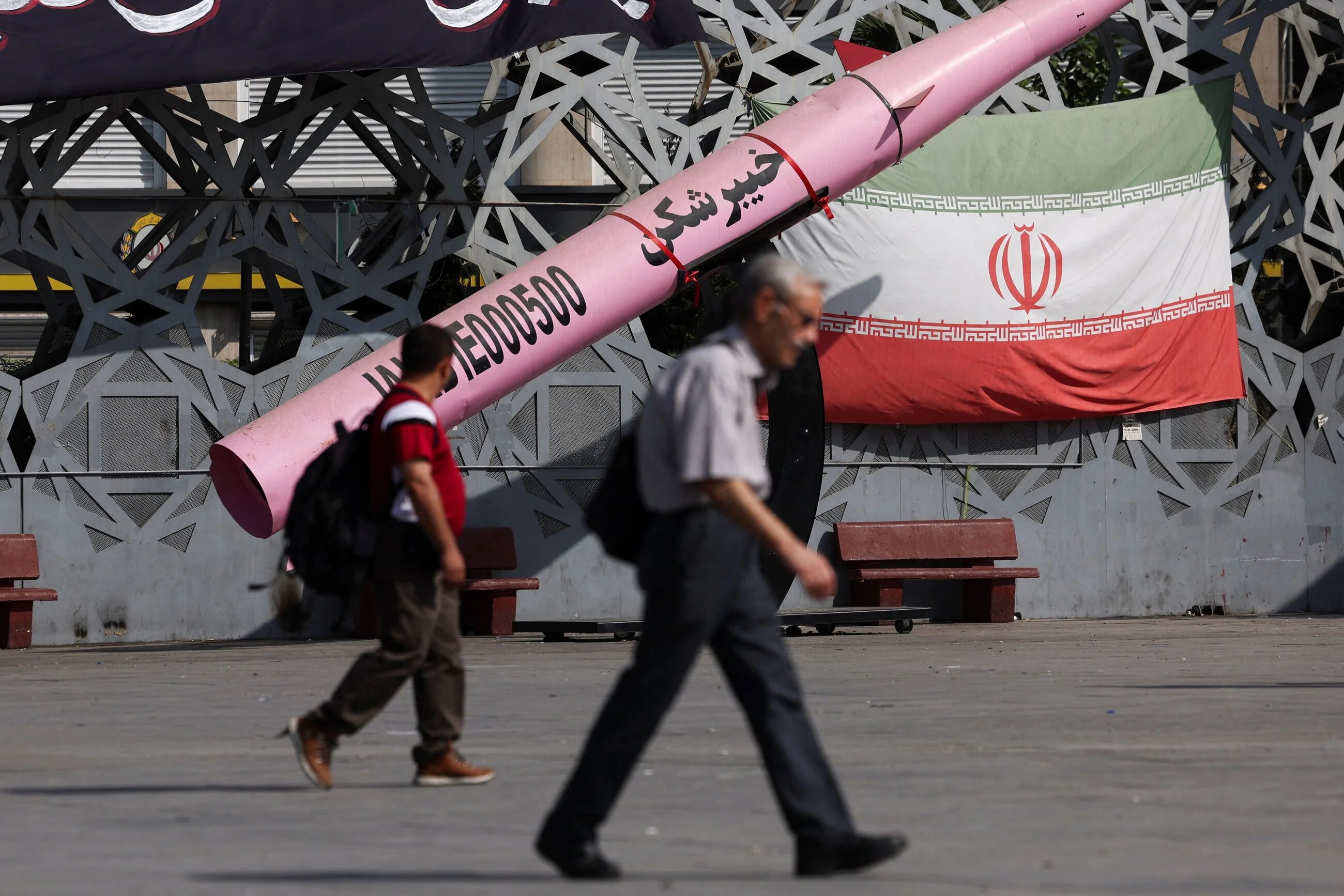
Iran's Islamic Revolutionary Guard Corps (IRGC) announced on July 13, 2026, that it had targeted US military facilities across the Gulf. The IRGC stated these actions were taken in retaliation for recent American attacks. The announcement was made at 12:56 IST, marking a significant escalation in regional tensions. The IRGC explicitly declared that its operations were a direct response to the United States' prior military actions against Iranian targets. This statement showed the retaliatory nature of the strikes, framing them as a calculated response to what Iran perceived as American aggression.
Gulf Nations Respond to Attacks
Following the Iranian strikes, nations across the Gulf immediately implemented heightened security protocols. Bahrain activated air raid sirens and urged its citizens to seek shelter, indicating the seriousness with which the threat was perceived. Residents in various areas reported hearing the alarms, prompting widespread caution. Kuwait's Armed Forces announced that the country's air defense systems successfully intercepted hostile missiles that had entered Kuwaiti airspace, preventing potential impacts and casualties. This successful interception noted the readiness of regional defenses.
Neither Bahraini nor Kuwaiti authorities immediately reported casualties from the attacks in their official statements, suggesting that initial defense measures were effective in mitigating direct harm to civilians or infrastructure. However, the activation of air raid sirens and the deployment of air defense systems showed the immediate danger posed by the incoming projectiles. Gulf authorities collectively stated that their air defense systems intercepted incoming missiles and drones across the region, demonstrating a coordinated and strong defensive posture against the aerial threats. These interceptions were key in limiting the impact of the Iranian assault.
The attacks triggered heightened security measures across the Gulf, leading to air raid sirens, air defense activations, and emergency alerts being issued in multiple countries. This widespread response reflected the broad scope of the Iranian operation and the collective concern among Gulf nations regarding regional stability. Governments advised their populations to remain vigilant and follow official guidance, as the situation unfolded. The immediate aftermath saw an increased presence of security forces and a general state of alert in critical areas.
Iran Claims Retaliation Motive
Iranian media outlets reported that the strikes specifically targeted US military infrastructure located in Bahrain, Kuwait, Qatar, and Jordan. These reports from Iran claimed the operations were directed against American facilities within these Gulf nations and a neighboring country, explicitly naming Jordan as one of the affected locations. The IRGC's statements, disseminated through state-controlled media, consistently emphasized the precision and retaliatory intent behind their actions. They sought to convey a message of strength and resolve in response to perceived American provocations. The detailed claims about targeting specific US bases aimed to demonstrate the reach and capability of Iran's military assets.
US Strikes Preceded Escalation
The United States had previously conducted a new series of attacks against Iranian targets, which US Central Command stated were designed to degrade Iran's capability to threaten shipping through the Strait of Hormuz. These American actions directly preceded the retaliatory strikes launched by Iran's Islamic Revolutionary Guard Corps (IRGC) across the Gulf. US Central Command’s statement indicated the objective was to reduce Iran's capacity to interfere with maritime navigation in the critical waterway, a vital artery for global oil supplies. The US operations focused on Iranian assets deemed capable of posing a threat to international shipping lanes, including naval infrastructure and missile launch sites. This sequence of events marked a significant escalation in tensions between the two nations in the region, bringing the long-standing rivalry to a new level of direct military confrontation. The tit-for-tat exchanges showed the volatile security environment in the Middle East.