Bahrain is adopting a proactive approach to managing electronic waste, which the Supreme Council for Environment (SCE) classifies as hazardous. This forward-thinking stance shows the nation's commitment to environmental stewardship and sustainable development. The nation's e-waste generation rate has been steadily increasing, prompting a need for enhanced strategies to address this growing environmental concern. Currently, the per capita e-waste generation stands at 17.8 kg, a figure that notes the significant volume of electronic waste being produced by its residents. Officials indicate that by strengthening its current framework and ramping up its strategy, Bahrain can ensure efficient e-waste management, mitigating its environmental impact and fostering a more sustainable future.
Current Initiatives and Challenges
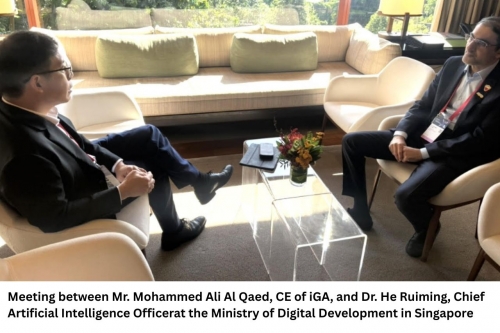
The Supreme Council for Environment (SCE) has demonstrated its dedication to tackling e-waste by partnering with telecommunications operators to implement innovative Internet of Things (IoT)-based systems. These systems are designed to streamline electronic waste collection, transportation, and monitoring across the Kingdom. This initiative aims to create a more efficient and transparent process for managing discarded electronic devices, from their initial collection points to their final processing. The collaboration leverages modern technology to gain better oversight and control over the e-waste stream, which is key for a country with a rapidly evolving technological landscape.
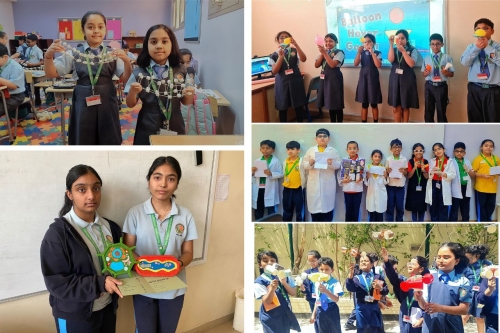
Corporations also contribute significantly to these national efforts. For instance, Zain Bahrain runs annual national e-waste competitions specifically targeting schools. These competitions are designed not only to raise awareness among the younger generations but also to actively encourage them to participate in responsible e-waste disposal practices. By engaging students, Zain Bahrain aims to instill a culture of environmental responsibility from an early age, fostering habits that will contribute to long-term sustainability.
Zain Bahrain's collection drives have demonstrated significant results, showcasing the potential for large-scale e-waste recovery. During individual campaigns, the company has successfully gathered up to 8.6 tonnes of electronics. This impressive volume shows both the effectiveness of targeted collection initiatives and the substantial amount of electronic waste available for recycling. The substantial e-waste output in Bahrain suggests a highly tech-savvy population, characterized by rapid updates and upgrades of technological equipment. This continuous cycle of technological advancement, driven by consumer demand for the latest gadgets and devices, contributes directly to the increasing volume of electronic waste generated within the country, presenting an ongoing challenge that requires strong and adaptive management strategies.
Technological Solutions for Recovery
Bahrain's e-waste management strategies could achieve significant advancements through the integration of artificial intelligence (AI) and circular economy principles. The concept of a circular economy, when coupled with AI-driven solutions and stricter extended producer responsibility (EPR) regulations, is projected to yield outstanding results in the country's approach to electronic waste. Such a model would focus on minimizing waste and maximizing resource utilization by keeping products, components, and materials in use for as long as possible.
The nation can further enhance its recovery processes by deploying AI and smart robotics. These advanced technologies can be utilized in automated disassembly lines to accurately identify and sort hazardous and reusable components from discarded electronics. This automation aims to increase efficiency, precision, and safety in the initial stages of e-waste processing, reducing reliance on manual labor for potentially dangerous tasks and improving the purity of recovered materials. The ability of AI to rapidly analyze and categorize complex electronic waste streams can significantly boost the overall effectiveness of recycling operations.
For the recovery of valuable materials, bioleaching and hydrometallurgy present viable options for clean metal extraction from e-waste. These methods offer environmentally sound alternatives for reclaiming precious and base metals, such as gold, silver, copper, and palladium, which are often found in electronic components. Unlike traditional smelting processes, bioleaching uses microorganisms, and hydrometallurgy uses aqueous solutions, reducing energy consumption and greenhouse gas emissions. These advanced techniques align with Bahrain's commitment to adopting sustainable practices in its industrial processes.
Additionally, Bahrain has the opportunity to explore the application of blockchain technology to establish a transparent tracking system for electronics. This innovative system would monitor devices from their manufacturing origin through to their final disposal, enhancing accountability across the entire product lifecycle. By creating an immutable record of each electronic product's journey, blockchain can provide unparalleled transparency, enabling better lifecycle management, verifying recycling compliance, and combating illegal e-waste dumping.
Policy and Public Engagement Strategies
Extended Producer Responsibility (EPR) policies can play a key role by mandating manufacturers to integrate specific measures aimed at improving e-waste management. For instance, EPR can require manufacturers to use QR codes to trace electronic components, allowing them to prove compliance with recycling quotas and track materials more effectively. This ensures that manufacturers take responsibility for the entire lifespan of their products. Manufacturers can be encouraged or mandated to design products with modular hardware, longer lifespans, and prioritize upgradeability to facilitate easier repair or dismantling. Such design principles would inherently reduce waste by extending product utility and simplifying end-of-life processing.
To further improve collection rates and consumer participation, e-commerce platforms should implement programs enabling consumers to return old devices upon the delivery of new ones. This convenient "take-back" system would remove a significant barrier to responsible disposal, integrating it smoothly into the purchasing process. Bahrain can also encourage manufacturers to place interactive recycling kiosks strategically inside shopping hubs and residential clusters. These accessible collection points would make it easier for the public to dispose of their e-waste properly. To boost engagement, these kiosks can gamify waste management, offering consumers financial incentives or store rewards for their participation, thereby transforming a civic duty into a rewarding experience.
Efficient e-waste management is critical for fostering responsible economic growth within the nation. By adopting full strategies that combine technological innovation, strong policy frameworks, and active public engagement, Bahrain can not only address the environmental challenges posed by electronic waste but also unlock economic opportunities through resource recovery and the development of a sustainable circular economy. This holistic approach will ensure that Bahrain continues to be a leader in environmental sustainability in the region.