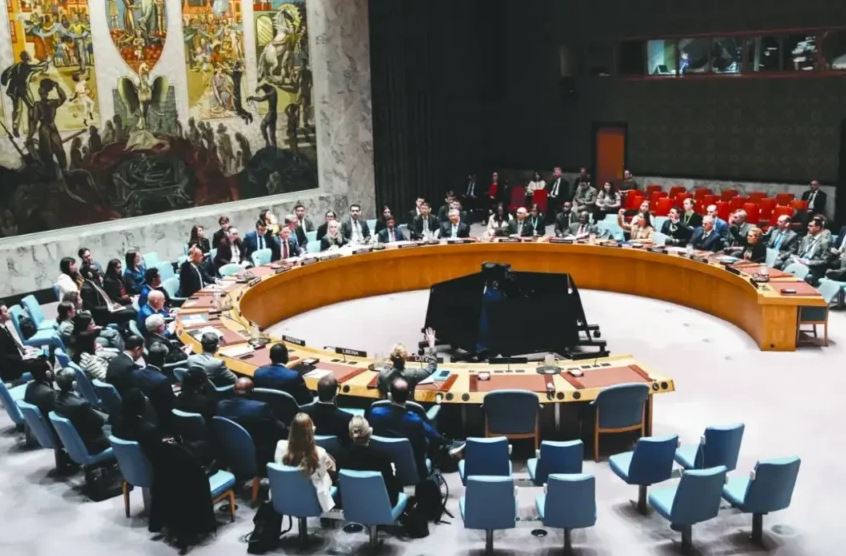
A joint draft resolution concerning the situation in the Strait of Hormuz, proposed by Bahrain and the United States, has reportedly secured unprecedented international backing. The resolution achieved a record level of support among member states, measured by the number of countries co-sponsoring the initiative. This significant international consensus reflects growing global attention to maritime security in the critical waterway. The joint Bahraini-American draft resolution on the situation in the Strait of Hormuz has indeed achieved a record level of international support in terms of the number of sponsoring countries, marking a key moment in diplomatic efforts.
Record Co-Sponsorship Details
The new draft resolution from Bahrain and the United States has secured the backing of 138 member states. This figure represents the highest level of co-sponsorship for any draft resolution in the council’s history. The previous benchmark was set on March 11, 2026, when 136 United Nations member states endorsed Security Council Resolution 2817. The current resolution's support surpasses that prior record by two member states, indicating a significant international consensus on the matter. This initiative has already drew the highest level of co-sponsorship for any draft resolution in the council’s history, showing the widespread concern among nations regarding stability in this vital maritime corridor. The support from 138 member states notes the broad recognition of the challenges posed to international navigation and trade in the region.
Resolution's Core Demands
Bahrain's Permanent Representative to the United Nations, Jamal Fares Al Rowaie, affirmed that the draft resolution draws its foundation from Security Council Resolution 2817. Mr. Al Rowaie stated that the resolution urgently calls for the immediate cessation of all Iranian attacks and threats directed at commercial shipping and international trade. The diplomat characterized these actions as "unacceptable."
The draft resolution specifically addresses concerns regarding naval mines and the imposition of unlawful transit fees within the Strait of Hormuz. It emphasizes the principle of freedom of navigation under international law, as outlined in the United Nations Convention on the Law of the Sea, as a guiding tenet. The resolution notes that the ongoing imposition of fees and measures targeting international shipping represents a threat to global stability. These actions, according to the resolution, also undermine diplomatic efforts aimed at achieving political understandings in the region. The draft resolution is firmly guided by the principle of freedom of navigation under international law, as stipulated in the United Nations Convention on the Law of the Sea, reinforcing the international legal framework for maritime conduct. The continued imposition of fees and measures targeting international shipping constitutes a threat to the world and undermines diplomatic efforts aimed at reaching political understandings, according to the resolution's text. The draft resolution also explicitly addresses the issue of naval mines, which pose a direct physical threat to vessels, and the imposition of unlawful transit fees in the Strait of Hormuz, which impede legitimate maritime commerce.
Diplomatic Push and Context
The development reflects growing international support for Bahrain’s position, which calls for the protection of maritime security and the rejection of any threats aimed at destabilising the region. The United States is actively working to table the resolution before the Security Council, under Bahrain’s sponsorship. This initiative shows Bahrain’s commitment to regional security. It also notes the nation's dedication to multilateral co-operation and the peaceful resolution of disputes. The draft resolution's record co-sponsorship signals broad international alignment with these objectives, particularly concerning the critical waterways in the Strait of Hormuz. This initiative reflects Bahrain’s commitment to regional security, multilateral co-operation, and the peaceful resolution of disputes, positioning the Kingdom as a key player in fostering stability. The United States is working to table the resolution before the Security Council under Bahrain’s sponsorship, demonstrating a strong collaborative effort to address these pressing maritime security concerns.
Potential Obstacles and Reactions
US Secretary of State Marco Rubio praised the initiative as a "historic milestone" achieved by Bahrain in rallying support to halt Iranian attacks on international navigation in the Strait of Hormuz. However, observers cautioned that the draft resolution could face a veto from one or more members of the Security Council. This potential obstacle shows the complex geopolitical dynamics at play within the United Nations Security Council, where permanent members hold veto power. Despite the overwhelming international co-sponsorship, the path to formal adoption remains challenging due to the possibility of a veto.